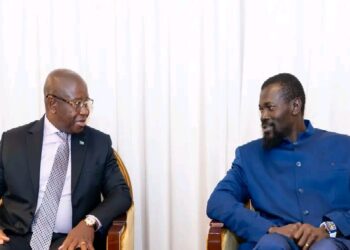
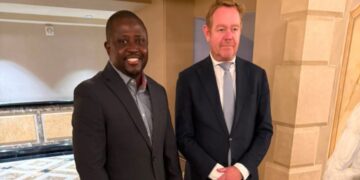
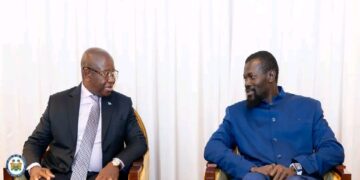





























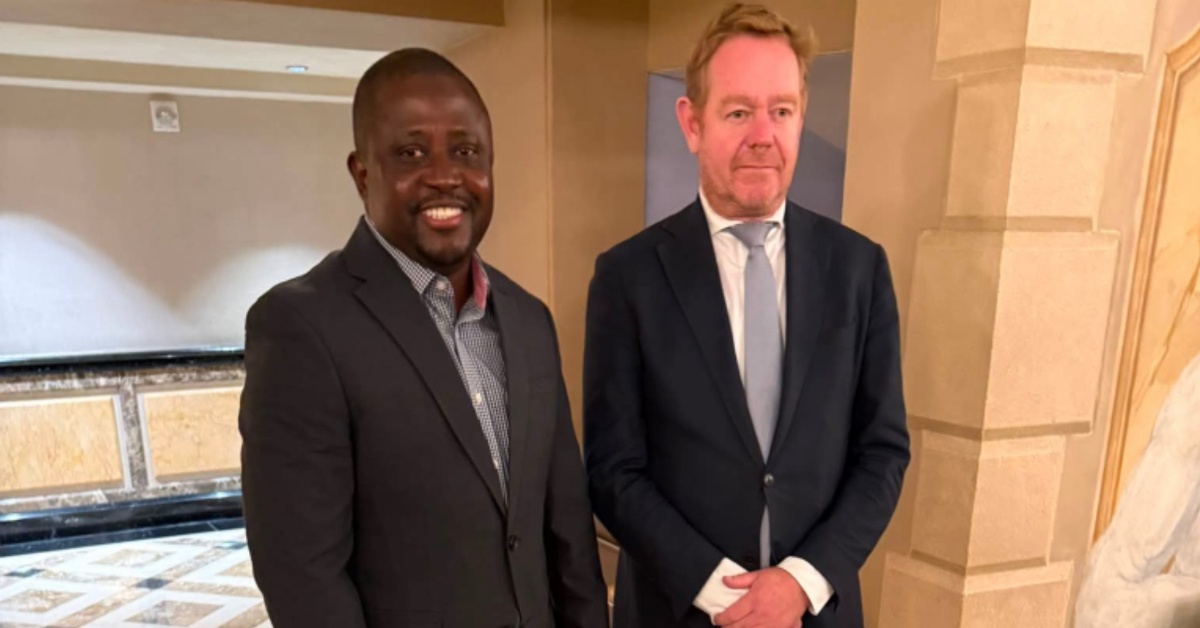
NEW YORK, 24th September 2026 – Sierra Leone has sought stronger support from the Netherlands to tackle drug trafficking and transnational organised crime, as Attorney-General Alpha Sesay met his Dutch counterpart David van Weel in New York – against the backdrop of a diplomatic row over Europe’s most wanted drug fugitive.
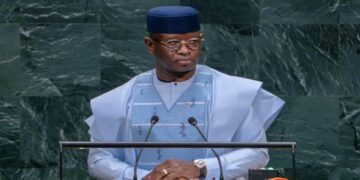
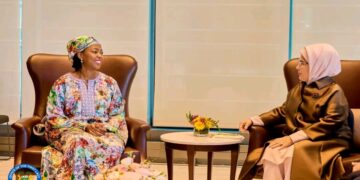
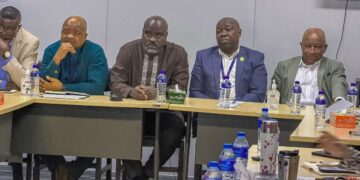
Sesay met with Netherlands Minister of Justice and Security David van Weel on Tuesday on the margins of the 81st UN General Assembly.
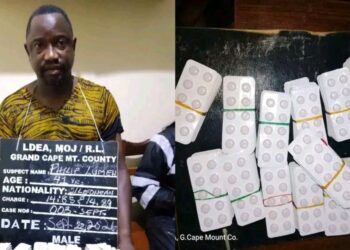
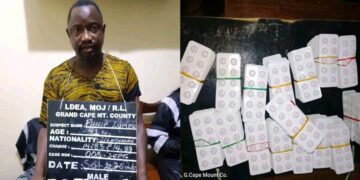
The meeting comes as Sierra Leone battles a surge in synthetic drugs, including the Kush epidemic and cross-border smuggling of Tramadol and Tapentadol, and as The Hague intensifies pressure on Freetown over Jos Leijdekkers, alias “Bolle Jos” or “Chubby Jos.”
The Bolle Jos Controversy
Leijdekkers, 34, from Breda, is the Netherlands’ most wanted fugitive. He was sentenced in absentia to 24 years in the Netherlands in June 2024 for smuggling over 7 tonnes of cocaine and ordering a murder, plus 8 years in Belgium in May 2026 for an 11.2-tonne cocaine shipment that investigators said originated from Sierra Leone. In total, Dutch and Belgian courts have handed him about 80 years. Dutch prosecutors are seeking €221 million in criminal proceeds.
His alleged presence in Sierra Leone became an international scandal in January 2025, when videos from a New Year’s church service in Tihun, Bonthe District, appeared to show him near President Julius Maada Bio and family members. The Presidency said Bio did not know him. First Lady Fatima Bio in a BBC interview in May 2026 said: “I have no idea who he is” and dismissed claims linking him to the President’s daughter as “lies”.
The Netherlands says it submitted a formal extradition request over a year ago. Minister van Weel, speaking on AYV on September 9, said: “We will not rest until this individual makes it into jail” and claimed intelligence shows Leijdekkers is still living in Sierra Leone.
The row escalated in June when van Weel called on the EU to suspend its €352 million aid package to Sierra Leone for 2021-2027 unless Freetown extradites him, describing the situation as “bizarre”. Last week, the European Parliament debated a resolution on drug trafficking cooperation that put Sierra Leone on the radar for possible diplomatic and financial measures, though no sanctions were imposed.
Sierra Leone maintains it does not know Leijdekkers’ whereabouts and says the country will not be a safe haven for organised crime. Dutch officials say Attorney-General Sesay joined regional talks in Ghana in July on his own initiative and wrote to van Weel proposing continued engagement.
New York Talks
According to Sesay, Tuesday’s discussion focused on judicial cooperation, intelligence sharing and tracing illicit financial flows.
“Our discussions focused on strengthening judicial and security cooperation, particularly in addressing transnational organised crime. We reaffirmed our shared commitment to deepening collaboration,” Sesay said.
The Netherlands, as Europe’s main entry point for cocaine via Rotterdam and Antwerp, has deep expertise on West Africa-linked routes. The two countries have previously cooperated under EU-funded maritime security programmes in the Gulf of Guinea.
No extradition agreement was announced, but officials indicated the talks could lead to training for Sierra Leone’s Law Officers’ Department and closer work between Sierra Leone’s NDLEA and Dutch law enforcement, as The Hague pushes for a regional anti-drug secretariat in West Africa.