

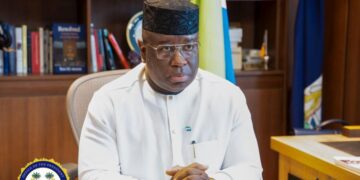



















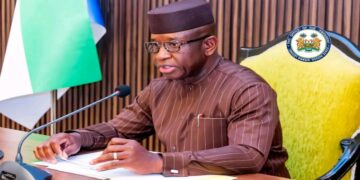

























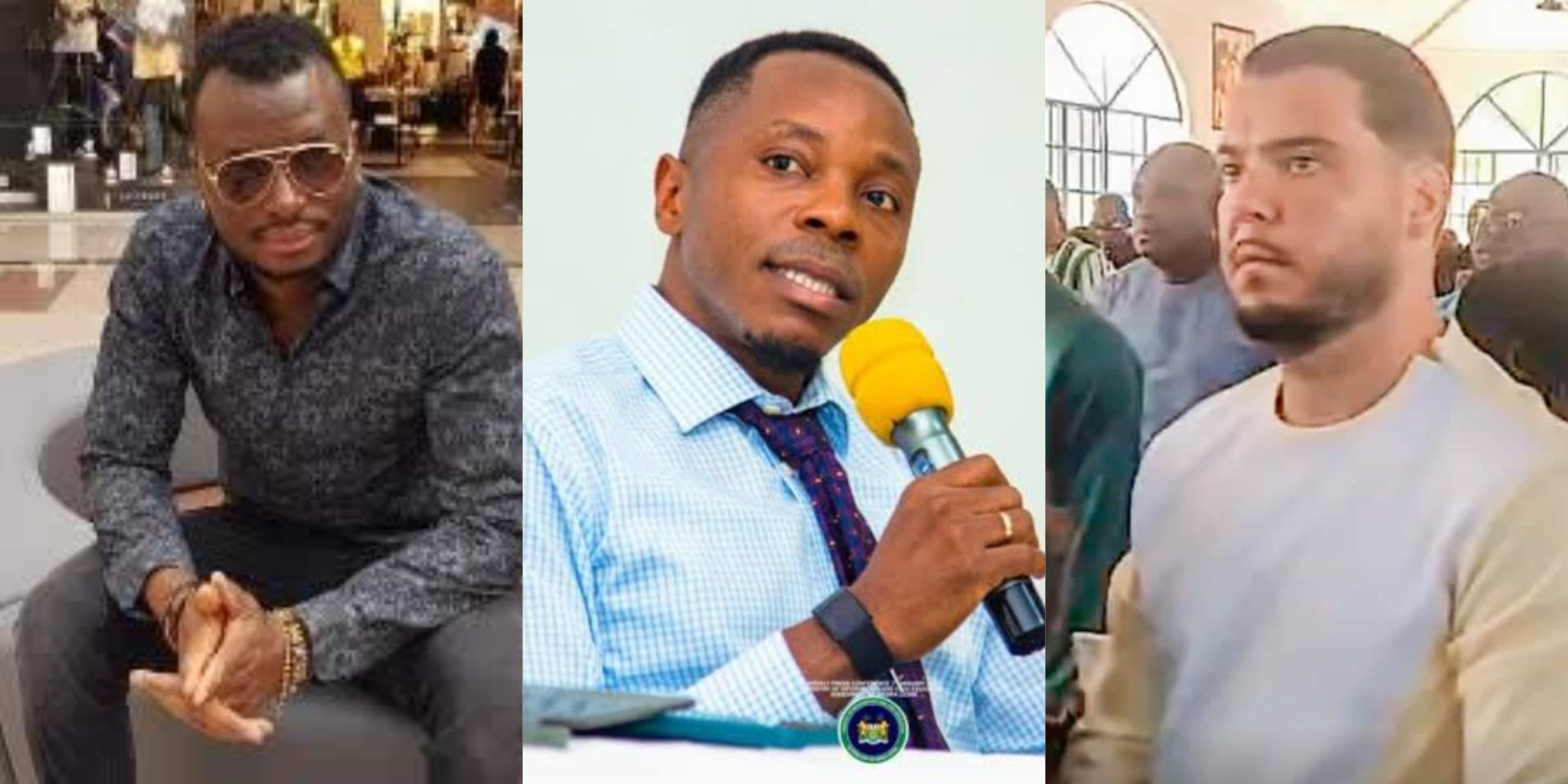
A diplomatic row between Sierra Leone and the Netherlands is deepening over extradition, with Chief Minister Dr. David Moinina Sengeh questioning whether The Hague has shown Freetown the same cooperation it now demands.
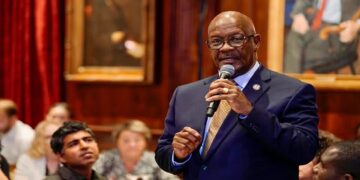
Speaking on AYV’s State of the Nation, with veteran journalist Umaru Fofana, Sengeh recalled Sierra Leone’s earlier efforts to secure the return of a Sierra Leonean national known as Adebayor, whom the government has described as a terrorist.
“When we wanted to get a Sierra Leonean in Holland here, we sent the Attorney-General there. We sent the Foreign Affairs Minister there. The terrorist, yeah, we called him a terrorist, Adebayor. We went there. They refused extradition. We sent delegations there. Have they given us that due respect to come?” he asked.
 The remarks come amid prolonged controversy surrounding Dutch national Jos Leijdekkers (also known as Bolle Jos), who was convicted in absentia in the Netherlands in 2024 and sentenced to 24 years in prison for large-scale cocaine trafficking, armed robbery and ordering a murder. Belgian courts have handed him additional lengthy sentences. Dutch authorities regard him as one of Europe’s most wanted fugitives and have offered a €200,000 reward for information leading to his arrest.
Dr. Sengeh insisted that Sierra Leone’s security and intelligence agencies do not know Leijdekkers’ current location.
“Hand on heart, our security intelligence does not know where Leijdekkers is. We cannot go by what these guys are saying… If they know, show the pictures,” he said, calling on anyone with concrete evidence to produce it.
Dutch Minister of Justice and Security David van Weel has maintained that the Netherlands will keep applying pressure until Leijdekkers is apprehended and incarcerated.
“We will continue our efforts to put pressure and make sure that, in the end, the only way for this to continue is with the incarceration of Mr. Leijdekkers,” he stated.
Van Weel also noted that the two countries have been negotiating an extradition treaty for more than a year, describing progress as slow. “I’m very happy to conclude anything, but I need more assurance that steps will be taken in the right direction now.”
The Netherlands first submitted a formal extradition request in early 2025. Sierra Leone has repeatedly pointed out that no extradition treaty exists between the two countries, meaning any handover would require a court process and careful legal examination of the Dutch documentation. Government officials have previously stated that the Attorney General’s office is reviewing the materials submitted.
The dispute has grown more complex. Dutch authorities claim Leijdekkers has been operating from Sierra Leone and have linked him to major cocaine seizures, including a record 30-tonne haul intercepted off West Africa. The Netherlands has escalated diplomatic efforts, seeking support from neighbouring West African countries and even pressing for a review of European Union development aid to Sierra Leone unless progress is made on the extradition.
Reports in international media have alleged that Leijdekkers enjoys high-level connections in Sierra Leone, including a reported relationship with a daughter of President Julius Maada Bio. Sierra Leonean authorities have not confirmed these claims and have consistently maintained that they will act only on the basis of proper evidence and legal procedure.
For many Sierra Leoneans, the Chief Minister’s comments highlight a broader issue of reciprocity. While the Netherlands continues to push aggressively for Leijdekkers’ return, Freetown notes that its own earlier requests concerning Adebayor were not met with equivalent urgency or success.
The case has become a significant test of security and diplomatic cooperation between the two nations. Sierra Leone continues to insist on evidence, due process and mutual respect, while the Netherlands shows no sign of easing its campaign to bring one of its most wanted fugitives to justice.