
















































Freetown – The Office of National Security (ONS) has raised the alarm that the rapid rise of artificial intelligence tools capable of producing highly realistic fake audio, images, videos and documents poses a serious risk to public trust and the integrity of elections in Sierra Leone, especially as the country prepares for the 2028 general elections.
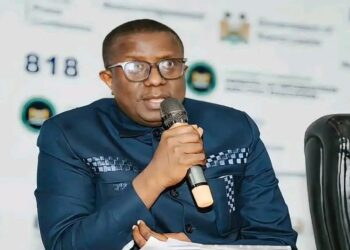
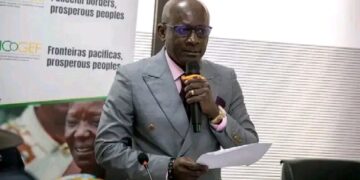
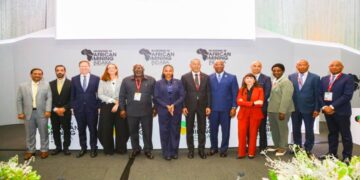
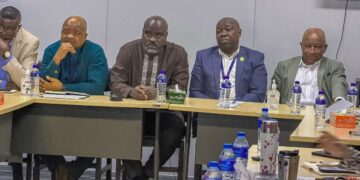
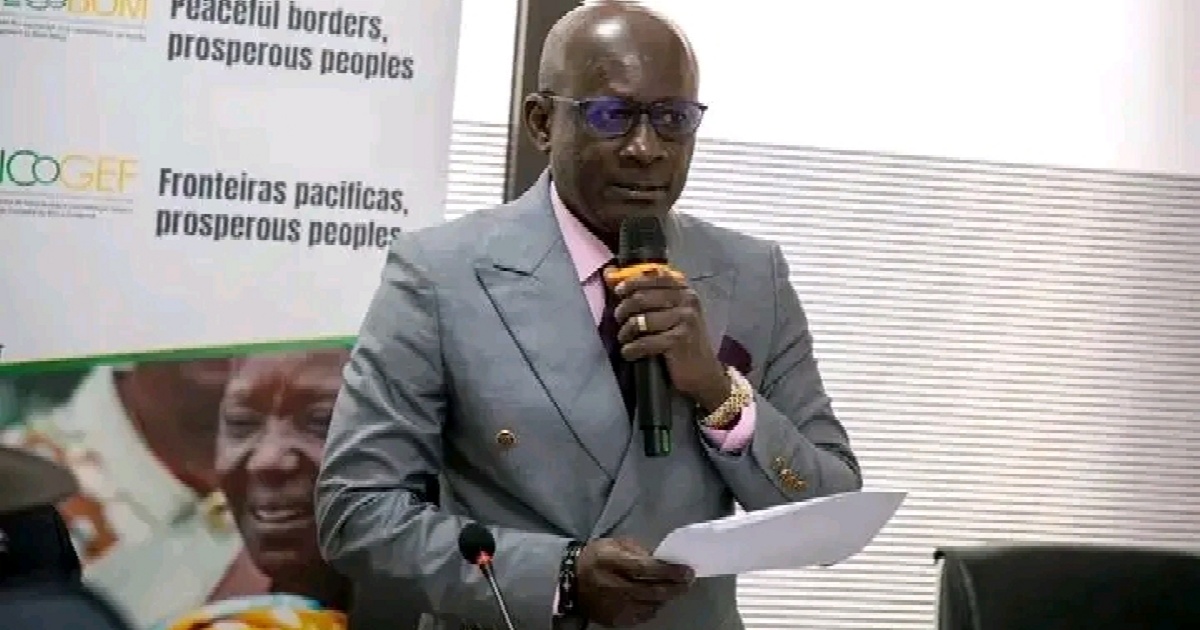
Francis Languba Keillie, Chief of Staff and Professional Head of the ONS, delivered the warning while representing the national security sector at a recent engagement on artificial intelligence, digital safety and the dangers of AI-generated misinformation.
Keillie emphasised that tackling both the benefits and risks of AI demands close collaboration among government bodies, the media, technology partners, civil society groups and ordinary citizens.
As the body responsible for coordinating the security sector and the Integrated Elections Security Planning Committee, the ONS has a clear duty to prevent new technological threats from disrupting electoral processes, he said.
While recognising that AI offers real opportunities to improve public services, education, healthcare, planning, research and overall productivity, Keillie cautioned that the same technology can be misused to create convincing fabricated material that spreads quickly online.
“The greatest danger is the loss of public confidence in distinguishing real information from fabricated content,” he warned.
He singled out deepfakes and synthetic media as growing national security concerns. Such manipulated content, he noted, can be used to damage reputations, fuel anxiety and tension, enable fraud and impersonation, support cybercrime and extortion, and even contribute to incitement.
These risks become especially serious during election periods, when false or fabricated material can heighten tensions and erode confidence in democratic processes.
Keillie recalled information-related challenges seen during the 2023 elections and stressed that more advanced AI tools could make similar problems far more complex by 2028.
“With the increasing sophistication of these technologies, we are more and more worried as we approach 2028, particularly as far as election security is concerned,” he said.
The ONS chief called for stronger systems to detect, assess and respond to information threats before they escalate. Sierra Leone needs the ability to monitor emerging narratives, identify communities affected by harmful content, track the spread of dangerous material and judge its potential real-world impact, he explained.
Public institutions, he urged, should put clear procedures in place to verify suspicious content, escalate genuine threats, protect official digital accounts, correct false information and coordinate responses when required. Government officials, journalists and other public communicators must make verification a routine practice before sharing or reacting to digital material.
Keillie also highlighted the value of proactive official communication. Timely, accurate and accessible information from public institutions can prevent false narratives from taking hold and help maintain public confidence in credible sources.
He stressed that the media and the public have vital roles to play. Citizens need improved media and AI literacy to recognise manipulated or suspicious content, while journalists carry a professional duty to verify digital material before publishing or circulating it.
On the legal front, Keillie called for laws and regulations that can address harmful AI-enabled activities while fully protecting legitimate rights, including freedom of expression, lawful criticism, investigative journalism and democratic participation. The country’s response, he said, must tackle real security threats without undermining democratic freedoms.
Ultimately, he argued for a whole-of-society approach. No single institution can manage the opportunities and risks of artificial intelligence alone. Government agencies, security services, technology stakeholders, the media, civil society and ordinary Sierra Leoneans must work together to build digital resilience so that technological progress supports national development without damaging public trust, democratic processes or national security.
As Sierra Leone continues its digital transformation, the ONS has placed AI-generated misinformation, deepfakes and synthetic media firmly among the emerging challenges that demand greater public awareness, stronger verification systems, institutional readiness and coordinated national action before the 2028 elections.