






















































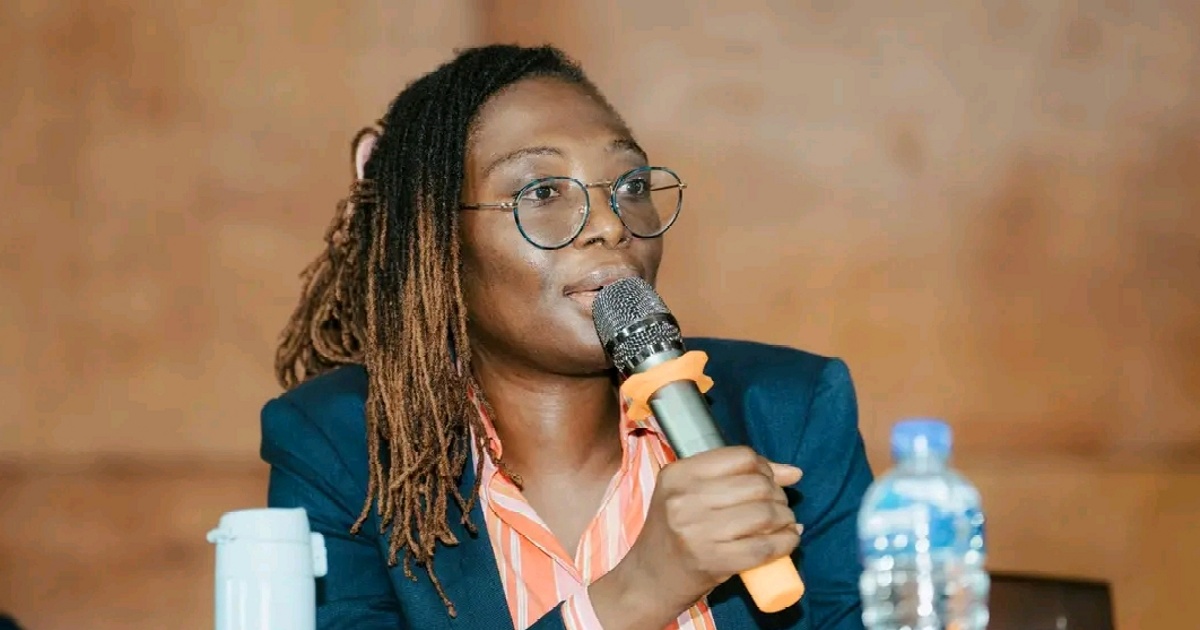
FREETOWN, 11 August 2026 – Sierra Leone’s National Cybersecurity Coordinator, Mariama Yormah, has urged citizens to stay alert and practise responsible online habits as the country expands digital services amid rising cybercrime threats.
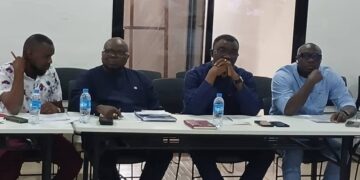
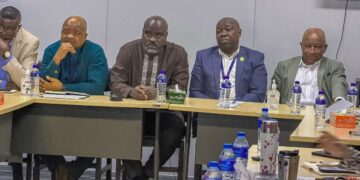
Speaking at the Miatta Civic Centre during a public engagement on the theme “The Fight Against Cyber Crimes – Where Are We?”, organised by the Government of Sierra Leone through the Ministry of Information and Civic Education and hosted by Strategic Communications Adviser Mohamed Jaward Nyallay, Yormah stressed that digital progress must go hand in hand with greater public caution.
She noted that Sierra Leone’s digital transformation has made services such as online banking, mobile money, electronic payments and passport applications more accessible. However, this increased reliance on digital platforms has also opened doors for criminals to target unsuspecting citizens.
Yormah described cybercrime as a lucrative global business in which perpetrators constantly invent new ways to steal money, personal information and access to accounts.
She identified mobile money fraud as one of the most common threats, often linked to fake job offers or other deceptive schemes.
Criminals contact people claiming they have been selected for an opportunity and then demand upfront payments. She advised the public to treat any unsolicited offer that requires money before a promised benefit with suspicion.
She also highlighted WhatsApp account takeovers and online impersonation. Once criminals seize an account, they access the victim’s contacts and send messages asking for money, usually claiming an emergency.
They often request small amounts from many people rather than large sums from one person. Similar tactics appear in phishing attacks through emails, messages or links designed to trick people into handing over sensitive details, as well as false notifications on Facebook and other social media platforms claiming an account is locked and must be restored by clicking a link.
Yormah raised concern about SIM swap fraud, warning that criminals can gather enough personal information to impersonate someone at a telecoms company and obtain a replacement SIM. This can give them access to services linked to the victim’s number. She called for stronger verification systems and closer cooperation among cybersecurity bodies, telecom companies, police and other stakeholders.
She further cautioned against online investment and Ponzi schemes that promise unrealistic returns of 100 or 200 per cent. Fraudsters may pay early participants to create an appearance of legitimacy before disappearing with investors’ money.
Social engineering, she said, remains one of the most effective tools used by criminals because it targets human emotions rather than technology alone. Fraudsters exploit fear, sympathy, excitement, trust and urgency. Online relationship scams were cited as an example, where criminals build emotional connections and later blackmail victims with private photographs or information.
Yormah encouraged citizens to adopt a simple principle: “Stop, Think and Verify.” Whenever a message creates unusual urgency, fear or pressure, people should pause. In the case of a suspected compromised WhatsApp account, she advised contacting the person through another channel to confirm the request before sending money.
She urged victims and the public to report suspected cybercrime quickly and preserve evidence by taking screenshots of messages, numbers, mobile money details and other information. Police and telecom companies play key roles in tracing numbers and investigating cases. Combating cybercrime, she stressed, requires coordinated action involving government institutions, law enforcement, telecoms, financial institutions, technology platforms and ordinary citizens.
As Sierra Leone advances its digital agenda, Yormah said cybersecurity awareness must remain central. Digitalisation improves access to essential services, but citizens must understand the risks and take responsibility for protecting their accounts and personal information.
She left the audience with a clear message for every suspicious digital interaction: “Stop. Think. Verify.”
The engagement at the Miatta Civic Centre forms part of broader government efforts, led by the Ministry of Information and Civic Education, to strengthen public cybersecurity awareness and promote a safer digital environment for all Sierra Leoneans.