



















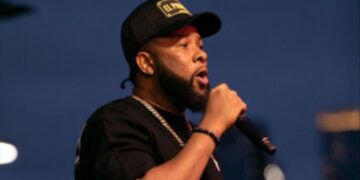
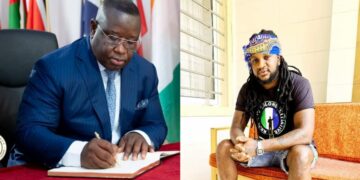

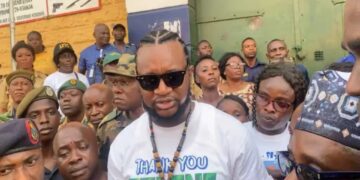










Freetown – The Netherlands has called on the European Union to suspend its €352 million development aid package to Sierra Leone unless the country extradites convicted drug trafficker Jos “Bolle Jos” Leijdekkers, escalating a major diplomatic row.
Dutch Justice Minister David van Weel made the demand on Sunday, stating that diplomatic efforts to secure Leijdekkers’ extradition have completely stalled. The government now wants to use the EU’s aid budget as leverage to force Sierra Leone’s hand.
Speaking on the Dutch current affairs programme Buitenhof, Minister van Weel described the situation as “bizarre”, questioning why the Netherlands should continue supporting a country that is allegedly sheltering one of Europe’s most wanted criminals.
The European Commission has allocated €352 million in grants to Sierra Leone for the period 2021 to 2027, covering key sectors such as infrastructure, agriculture, health, education, and governance reforms. The Netherlands itself provides almost no direct bilateral aid to the country.
Presidential Connection Fuels Tension
Leijdekkers, widely known as Bolle Jos, has been sentenced in absentia in the Netherlands and Belgium to a combined total of around 80 years in prison. He is believed to be residing in Sierra Leone, where multiple reports claim he is in a relationship with one of President Julius Maada Bio’s daughters.
This alleged family link is widely seen as a significant complication in extradition efforts.
Minister van Weel further claimed that Leijdekkers earns “hundreds of millions of euros” per month from his alleged drug operations — a sum he said surpasses Sierra Leone’s entire annual national income. According to World Bank figures, Sierra Leone’s gross national income is approximately €6.4 billion per year.
Last year, a Dutch court ordered Leijdekkers to pay €96 million to the state in what was described as the country’s largest-ever proceeds-of-crime confiscation order.
Failed Operations and Cocaine Links
Dutch media reported this month that Dutch marines and special police forces came close to capturing Leijdekkers off Sierra Leone’s coast on two separate occasions, but both attempts were aborted at the last minute. The Dutch Public Prosecution Service has described his arrest as its “highest priority” but declined to confirm details of the operations.
Minister van Weel also directly linked Leijdekkers to a record-breaking seizure of more than 30 tonnes of cocaine intercepted off the Canary Islands this month. The massive shipment reportedly originated from the Port of Freetown.
West Africa has become a major transit route for cocaine destined for Europe, with the Global Initiative Against Transnational Organized Crime estimating that around one-third of the cocaine reaching European markets now passes through the region. The Port of Freetown has gained notoriety as a key hub in this trade.
The minister admitted he had “no illusion” that traditional diplomacy alone would resolve the matter, signalling that the Netherlands is prepared to push hard through the EU aid mechanism.
Potential Impact on Sierra Leone
The development comes as a major concern for Sierra Leone, which relies heavily on international development assistance. Freezing the €352 million EU package could seriously affect ongoing projects in critical areas such as road construction, energy, healthcare, and youth employment programmes.
The government has not yet issued an official response to the latest Dutch move. The case raises sensitive questions about national sovereignty, international relations, and the country’s reputation in the global fight against drug trafficking.