





















































Freetown, April 20, 2026 — A new report by the Child Health and Mortality Prevention Surveillance (CHAMPS) has revealed a troubling HIV burden in Sierra Leone, linking the virus to approximately one in every five adult deaths, many of whom were unaware of their status.
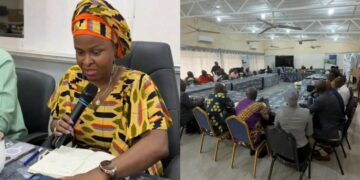
The findings were presented during the 10th CHAMPS Advisory Committee Meeting held in Makeni, where health experts highlighted major gaps in diagnosis, treatment, and prevention.
According to the report, 21 percent of adult deaths are associated with HIV-related complications. Of those, 65 percent had never been diagnosed, while 70 percent of individuals known to be HIV-positive were not receiving antiretroviral therapy at the time of death.
Operating in Sierra Leone since 2018, CHAMPS conducts detailed cause-of-death investigations using advanced diagnostic methods in districts such as Bombali District and Bo District. The latest analysis points to a pattern of largely preventable deaths and ongoing weaknesses within the country’s healthcare system.
Majority of Child Deaths Preventable
The report also revealed that 70 percent of child deaths could have been prevented with timely medical care, while 77 percent were misdiagnosed in clinical settings. Only a small fraction, 3 percent, were deemed unavoidable.
Deputy Health Minister Dr. Charles Senessie urged policymakers to act on the findings, emphasizing the need to strengthen clinical practices, improve service delivery, and guide health sector investments.
Key Drivers of Mortality
CHAMPS identified four major contributors to preventable deaths:
* Malnutrition accounted for 35 percent of cases, particularly among children, with experts recommending expanded community-based nutrition programs using local foods.
* HIV, responsible for 21 percent of adult deaths, was described as a “silent killer” due to low testing rates and delayed diagnosis. Francis K. Tamba warned that undetected infections remain a major public health risk.
* Malaria and anemia, affecting 41 percent and 48 percent of cases respectively, continue to pose serious threats, especially for children.
* Antimicrobial resistance (AMR) is rising, with laboratory data showing high resistance to commonly used antibiotics, complicating treatment efforts.
The report further highlighted systemic issues including delayed care-seeking, weak infection prevention measures, limited diagnostic capacity, and low community engagement.
Dr. Monique Foster underscored the human impact behind the data, noting that each statistic represents a life lost.
Call for Urgent Action
The advisory committee recommended immediate reforms, including expanding HIV testing and treatment, integrating nutrition services into healthcare, strengthening malaria control and blood transfusion systems, and addressing antimicrobial resistance through improved regulation and surveillance.
Dr. George Ameh noted that such “hidden epidemics” often go unnoticed despite their significant impact, while Dr. Ikechukwu Ogbuanu called for urgent translation of evidence into life-saving policies.
National Context
Sierra Leone’s HIV prevalence remains relatively low at an estimated 1.5 to 1.7 percent among adults, with roughly 77,000 to 82,000 people living with the virus. However, health experts warn that gaps in diagnosis and treatment—especially in rural communities—continue to drive preventable deaths.
With as many as 70 percent of deaths deemed avoidable, the CHAMPS report presents a stark warning and a clear path forward: strengthening the health system through targeted, evidence-based interventions and sustained investment.