





















































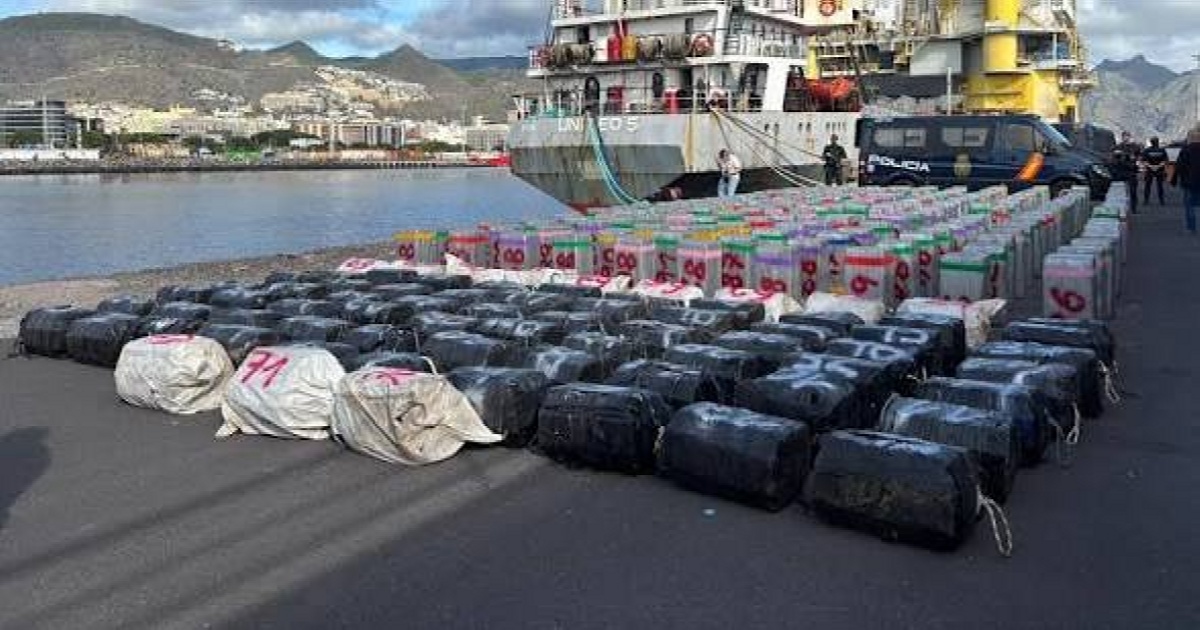
Spanish police have made what they describe as a record-breaking cocaine seizure in the Atlantic, intercepting a cargo vessel carrying an estimated 35 to 40 tonnes of the drug.
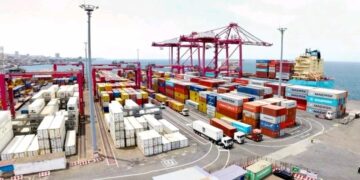
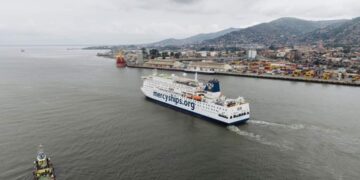
The ship had departed from Freetown on 22 April, raising serious concerns in Sierra Leone about the country’s growing exposure as a transit point for international drug trafficking networks.
The operation was led by Spain’s Guardia Civil Central Operational Unit, an elite team tackling serious organised crime. The 90-metre vessel, named Arconian and registered under the Comoros Islands flag, was intercepted in international waters near Dakhla, off the coast of Western Sahara. It was then escorted to Las Palmas in Gran Canaria, where it remains under judicial custody.
Reports indicate that around 20 people were arrested in connection with the haul. The ship was reportedly heading towards the Mediterranean, with some sources mentioning a possible final destination of Benghazi in Libya. The hold was reportedly packed with thousands of bales of cocaine, making this one of the largest single seizures at sea in Spanish history.
Local and Regional Implications for Sierra Leone
This incident highlights West Africa’s increasing role as a transit corridor for cocaine originating from Latin America, destined for European markets. For Sierra Leone, the departure from Freetown Port raises uncomfortable questions about port security, potential local facilitation, and the country’s vulnerability to sophisticated transnational networks.
While no Sierra Leonean nationals have been publicly named in connection with the seizure so far, the development comes amid broader regional concerns. Neighbouring countries have also seen increased drug-related activities, as traffickers exploit weaker maritime oversight and economic pressures in parts of West Africa.
Sierra Leonean authorities have not yet issued an official statement on the matter. However, the news has sparked discussions locally about the need for stronger port controls, international cooperation, and anti-trafficking measures to prevent the country from being further exploited by drug cartels.
Broader Context
Spain’s High Court is coordinating a wider crackdown on maritime drug routes. This massive haul, equivalent in scale to years of typical annual seizures in some contexts, underscores the enormous profits and risks involved in the global cocaine trade. Street value estimates for such a quantity run into hundreds of millions of euros, though exact figures depend on purity and market conditions.
Investigations are ongoing into the shipment’s origins (likely South America), the full network behind it, crew details, and any connections within Sierra Leone or the wider region. Spanish officials have described the operation as historic for maritime interdictions.