




























































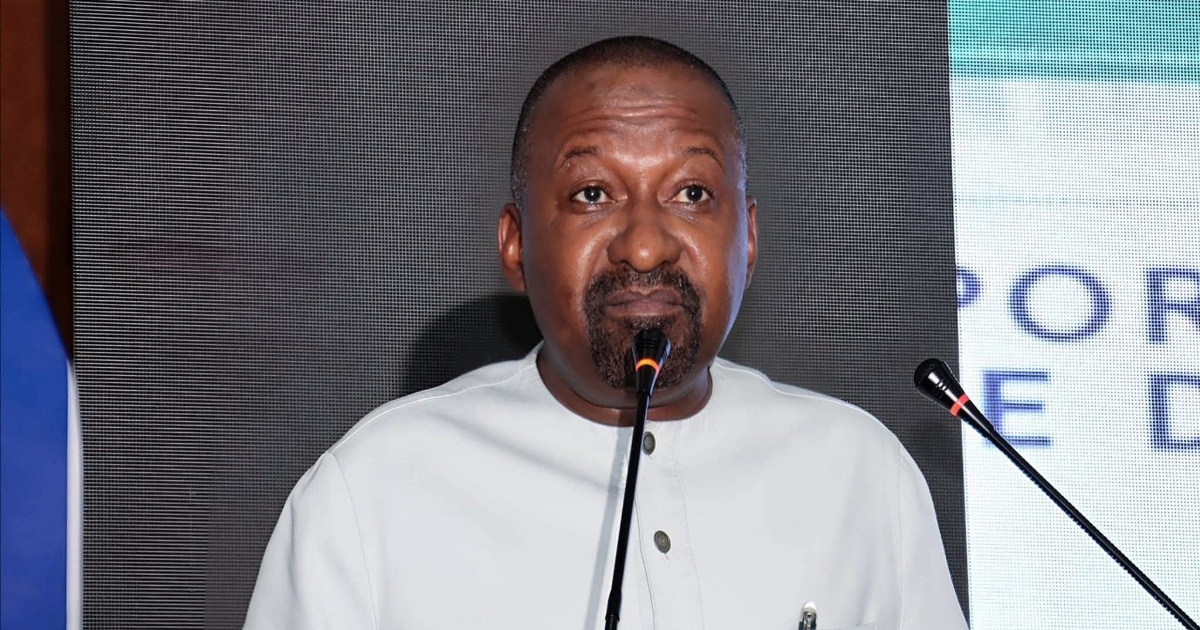
FREETOWN — Sierra Leone’s Vice President, Mohamed Juldeh Jalloh, has urged stakeholders to prioritise people-focused strategies in tackling unemployment and shaping the future of work.
Addressing participants at the National Labour Conference held at the Miatta Conference Center on Thursday, Dr Jalloh said the forum should go beyond policy discussions to delivering real improvements in citizens’ lives.
“This conference is about shaping a future of work that is inclusive, resilient, and aligned with the aspirations of our people,” he told an audience of workers, union leaders and policymakers.
The Vice President highlighted the challenges faced by many Sierra Leoneans, particularly young people and women operating in the informal sector, where employment is often insecure and poorly paid. While acknowledging the promise of the digital economy, he warned that unequal access to skills and technology risks widening existing gaps.
“The digital economy offers opportunities, but without deliberate action, it will deepen inequalities,” he cautioned, calling for increased investment in skills training and access to digital tools.
Dr Jalloh stressed that job creation remains central to improving household incomes and overall living standards.
“The biggest challenge today is household income, and we must create more opportunities for people to earn,” he said.
He also called for long-term planning, noting that future workforce development must begin now.
“The children born today are the workforce of 2045, and we must prepare for them,” he added.
Also speaking at the conference, Vanessa Phala of the International Labour Organization emphasised the importance of keeping workers at the centre of reforms. She described the gathering as a critical platform for dialogue and practical solutions.
Phala pointed to the significant role played by market women and informal workers in the economy, noting that many continue to operate under poor conditions with limited protection. She called for stronger social protection systems, expanded access to finance, and enhanced skills development to ensure inclusive growth.
“Digitisation cannot work if it is not human-centred,” she said.
Meanwhile, Mark Conteh, representing the Sierra Leone Labour Congress, welcomed the conference as an important platform for engagement between government and labour groups.
He commended ongoing government efforts and described dialogue as the most effective way to resolve labour disputes.
“We believe in dialogue at the highest level to resolve our issues rather than resorting to conflict,” Conteh said.
He further proposed that the National Labour Conference be institutionalised as an annual event and underscored the need for workers to adapt to the demands of a rapidly evolving digital economy through continuous skills development.