































Freetown, Sierra Leone – March 21, 2026 – Sierra Leone has been ranked 146th out of 147 countries in the newly released World Happiness Report 2026, placing the nation second from the bottom globally, just ahead of war-torn Afghanistan at 147th.
The report, published by the Wellbeing Research Centre at the University of Oxford in partnership with Gallup, the UN Sustainable Development Solutions Network, and an editorial board, assigns Sierra Leone a life evaluation score of 3.251 out of 10, based on Gallup World Poll data averaged from 2023 to 2025.
This low ranking underscores deep-seated issues affecting citizens’ sense of wellbeing, including limited income, inadequate social support, shorter healthy life expectancy, restricted personal freedoms, lower levels of generosity, and widespread perceptions of corruption.
Residents in Freetown and rural areas often cite economic hardship, unemployment, particularly among youth, and access to basic services as key contributors to dissatisfaction when rating their current and expected future lives on the Cantril Ladder scale (0–10).
The global rankings highlight extreme contrasts: Finland has once again claimed the top spot for the ninth consecutive year with a score of approximately 7.8, followed by Iceland, Denmark, and a notable rise for Costa Rica to fourth place, the highest-ever ranking for a Latin American nation. Other top performers include Sweden, Norway, the Netherlands, Israel, Luxembourg, and Switzerland. Nordic countries continue to lead due to strong social safety nets, high institutional trust, low corruption perceptions, and robust personal freedoms.
In sub-Saharan Africa, several nations occupy the lower ranks, with Sierra Leone joined by Malawi (145th), Zimbabwe (144th), and others facing similar structural hurdles like poverty and economic instability. Afghanistan remains last with a score around 1.446, reflecting ongoing conflict and instability.
For Sierra Leone, the report arrives against a backdrop of gradual macroeconomic gains. Recent data from the World Bank and African Development Bank forecast GDP growth of 4.4–4.9% in 2025–2026, fueled by mining sector expansion, agricultural recovery, and services growth. Inflation has dropped sharply from previous peaks above 50% to single-digit levels (around 5–10%), supported by fiscal reforms, monetary tightening, and exchange rate stability.
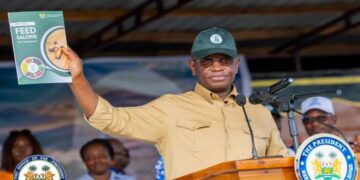
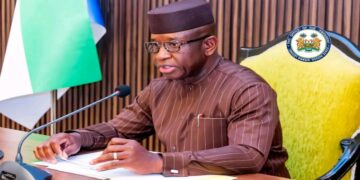
President Julius Maada Bio has designated 2026 as the “Year of Action,” prioritizing job creation through private sector initiatives, food security enhancements, infrastructure development, and diversification into agriculture, fisheries, tourism, renewable energy, and digital economy sectors. The government aims to create tens of thousands of jobs annually to tackle high youth unemployment and underemployment rates.
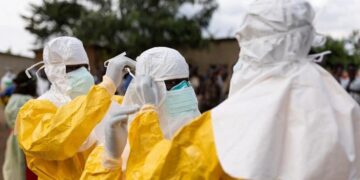
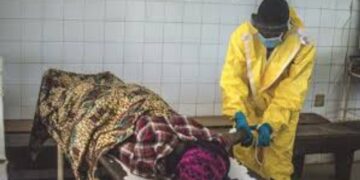
Yet, these improvements have not yet broadly translated into higher life satisfaction for many Sierra Leoneans. Lingering effects of the 1991–2002 civil war, the 2014–2016 Ebola outbreak, persistent poverty affecting a large portion of the population, and limited access to quality healthcare and education continue to dampen overall wellbeing.
The 2026 report’s special focus on social media’s impact particularly its negative effects on adolescent happiness in many regions, appears less pronounced in sub-Saharan contexts compared to Western countries, though digital access is growing rapidly here too.
While Sierra Leone demonstrates resilience and incremental advances, bridging the gap to happier nations will demand sustained, citizen-focused reforms that prioritize quality of life alongside economic metrics.
The full World Happiness Report 2026, including detailed country data and analysis on social media’s role in youth wellbeing, is available at worldhappiness.report.