



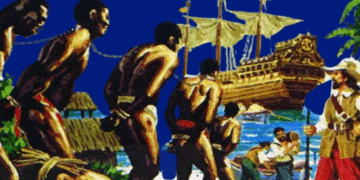















































Sierra Leone has joined 122 other countries in backing a United Nations resolution formally recognizing the transatlantic slave trade as the “gravest crime against humanity,” reinforcing international calls for acknowledgment of the historical injustice and its lasting global impact.
The resolution, adopted by the United Nations General Assembly on Wednesday, was spearheaded by Ghana with strong backing from the African Union and several Caribbean states.
The measure passed with 123 votes in favour, while the United States, Israel, and Argentina voted against it, and 52 countries, including the United Kingdom and all 27 European Union members, abstained.
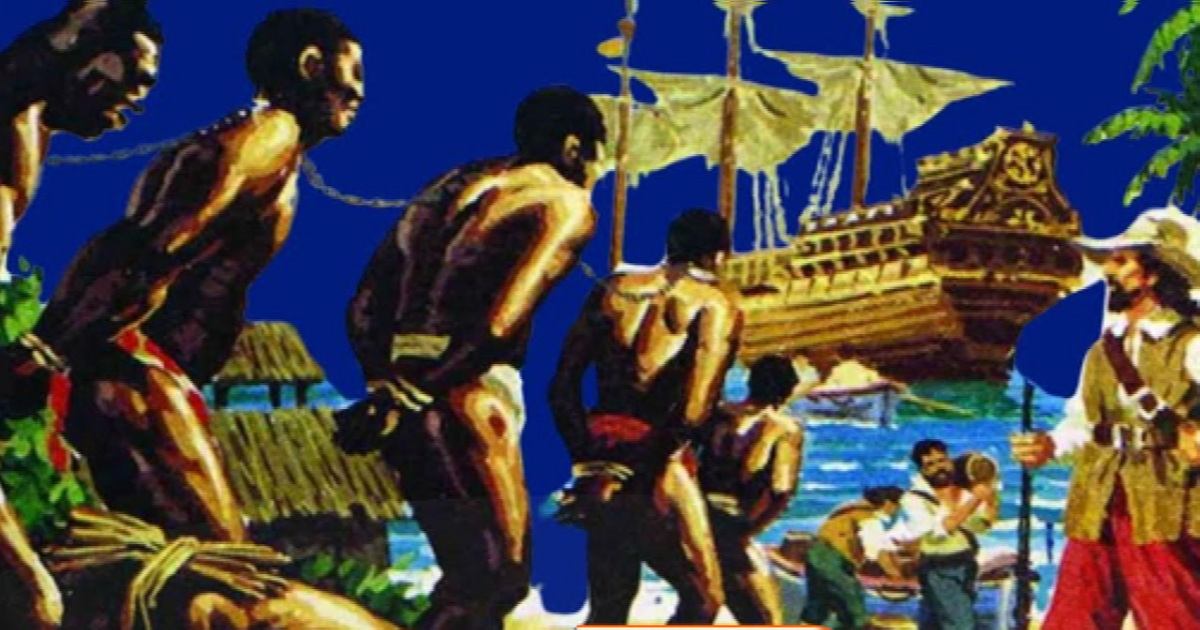
Sierra Leone’s support reflects the country’s historical connection to the transatlantic slave trade, during which thousands of Africans were forcibly taken from the West African coast to the Americas between the 15th and 19th centuries. Historians estimate that approximately 12.5 million Africans were captured and transported, with about 10.7 million surviving the journey under harsh and inhumane conditions.
Ghana’s Foreign Affairs Minister, Samuel Okudzeto Ablakwa, welcomed the outcome, describing the resolution as a significant step for Africa and the global African diaspora. Ghana’s President, John Dramani Mahama, speaking on behalf of the African Union ahead of the vote, emphasized the importance of preserving historical memory and promoting justice and reconciliation.
Although the resolution is non-binding, it is expected to influence ongoing international discussions on reparations, education, and memorialisation initiatives linked to the legacy of slavery.
Supporters argue that formally acknowledging the scale and impact of the transatlantic slave trade is essential to addressing contemporary racial inequalities and promoting historical accountability.
By voting in favour, Sierra Leone aligns with broader African and Caribbean efforts to advance global recognition of the long-term social and economic consequences of slavery, while contributing to continued dialogue on justice and equity for affected communities worldwide.