

















































FREETOWN / THE HAGUE, 10th October 2026 – The Dutch Government has enlisted the help of Ghanaian authorities in the hunt for one of Europe’s most wanted drug traffickers, Jos Leijdekkers, alias “Bolle Jos”, who is believed to be living in Sierra Leone.
This is according to a report by Dutch newspaper De Telegraaf, which says Minister of Justice and Security David van Weel is leading a new strategy to cut off Leijdekkers’ drug supply lines.
Under the plan, the Netherlands will provide support to the Ghanaian Police Service, hoping that regional law enforcement can help disrupt the cocaine trafficking route from South America through West Africa to Europe. The exact nature of the support is still being worked out, but it may involve the deployment of Dutch police officers to Ghana.
De Telegraaf reports that The Hague hopes to have Leijdekkers in custody within a year.
Jos Leijdekkers, 34, from Breda, is considered one of the Netherlands’ biggest drug lords. He was sentenced in absentia to 24 years in prison in June 2024 for large-scale cocaine trafficking, armed robbery and murder. He has been on Europol’s Most Wanted list.
He has been nicknamed “Bolle Jos” (Chubby Jos) and is accused of running a major cocaine import operation from South America.
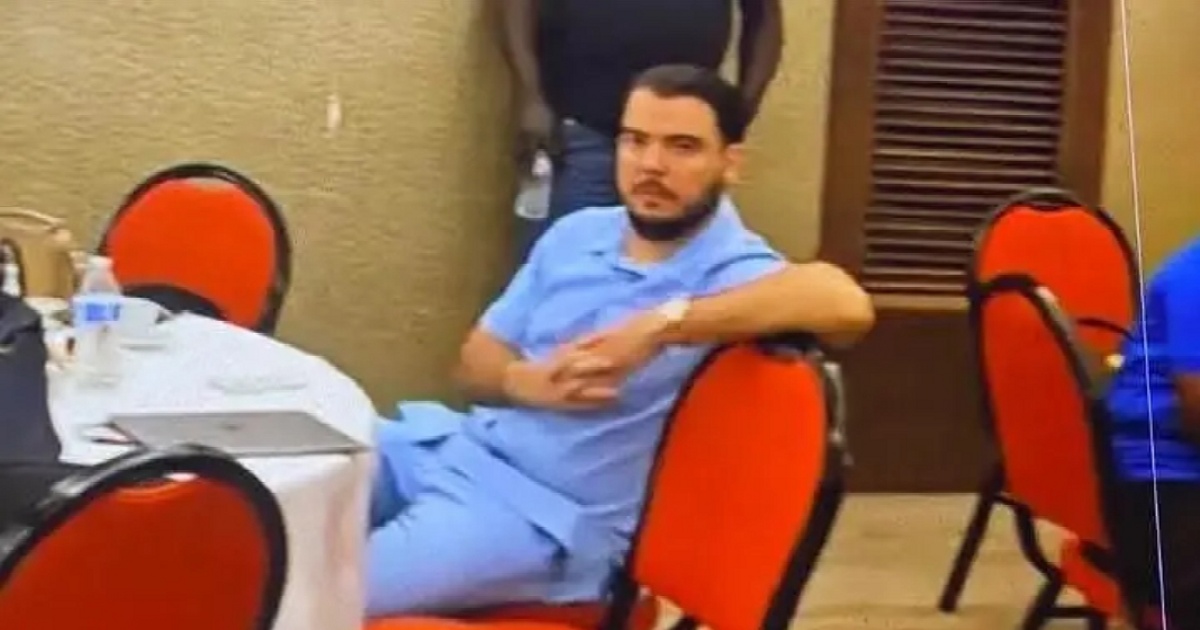
Since early 2025, several Dutch and international media, including AD and NOS, have published photos and videos allegedly showing Leijdekkers attending events in Sierra Leone, including at close proximity to high-level officials. Some reports even alleged he was given protection.
The Government of Sierra Leone has consistently denied any knowledge of his presence or any state protection. In January 2025, the government said it was investigating the claims and would cooperate with international partners. No arrest has been announced to date.
According to De Telegraaf, this new Ghana track is part of a broader pressure campaign on Sierra Leone.
The Netherlands has for months been pushing for his extradition. Reports emerged earlier this year that The Hague had lobbied the European Commission to halt development aid to Sierra Leone. The Commission, however, insisted that any aid pause was due to administrative and public financial management concerns, not linked to the Leijdekkers case.
The paper says the Dutch government will soon announce new measures to pressure Sierra Leone and to cripple Leijdekkers’ movement and finances across Europe.
“He is still allowed to enter the Netherlands, but only on a once-off basis,” a source told the newspaper – referring to a legal trick where a fugitive can enter briefly to arrange surrender without being arrested for other crimes.
There is currently no formal extradition treaty between Sierra Leone and the Netherlands, which complicates legal efforts.
The Ministry of Information and the Sierra Leone Police are yet to comment on the latest claims involving Ghana.