



























































Freetown, 24 November 2026 — The Executive Director of Civil society group Native Consortium and Research Center, Edmond Abu has renewed calls for a reduction in domestic fuel prices, arguing that the sharp fall in global oil prices must now be felt by ordinary Sierra Leoneans.
Speaking on Wake Up Sierra Leone, he said global oil prices have fallen by about 20 to 25 per cent, from US$125 to US$80–US$90 per barrel, raising questions about how these reductions are reflected in domestic fuel prices.
That trend is supported by international market data. Brent crude, the international benchmark, settled at $92.57 a barrel on Friday 20 November, and fell to about $88.71 by Tuesday 24 November, near a three-month low, as rising supply and fears of a surplus weighed on the market. 230dcbfa
“The Native Consortium maintains that fuel prices must be considered in relation to their impact on transportation and the wider economy. Any reduction in fuel costs should translate into tangible relief for transport operators, businesses and ordinary citizens,” Abu said.
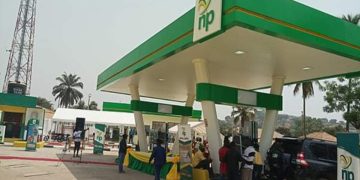
His comments come at a time of growing frustration over fuel scarcity and high pump prices. The National Petroleum Regulatory Authority (NPRA) currently lists petrol at NLe40 per litre and diesel at NLe45 per litre, effective 28 October 2026.
Government on Monday assured the public there will be no increase in regulated pump prices for the rest of 2026, blaming the recent shortage mainly on difficulties accessing foreign exchange for importers.
But Abu has previously argued that government is too quick to pass on global increases and too slow to pass on reductions, and has questioned the official explanation for the shortage.
For many motorists, keke and okada riders, and market women, the question is simple: if oil is cheaper abroad, why is transport still so expensive at home?