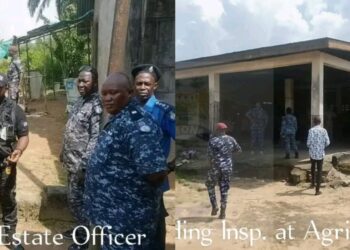
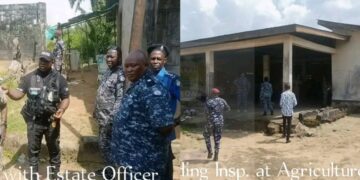


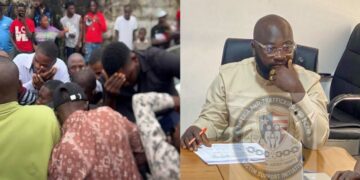
































Freetown — Ghetto reforms activist and Kush survivor, Prince Jose Reffell, has accused some members of the Sierra Leone Police (SLP) of allegedly reselling illegal drugs, including Kush, after seizing them during raids on drug hotspots.
Speaking in an interview with AYV, Reffell claimed that drugs confiscated from peddlers during police operations were later diverted back into circulation.
He alleged that on some occasions, officers invited him to assess the quality of seized Kush before it was reportedly resold to users. The police have not publicly responded to the allegations.
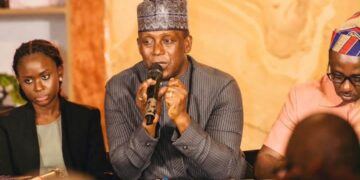
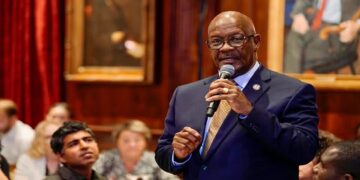
The claims were echoed by former Minister of Information, Dr Julius Spencer, who told AYV that the involvement of some security personnel in the drug trade is widely known.
He further alleged that illicit drugs find their way into correctional facilities, where they are sold to inmates, and added that some officers are themselves users of the substances.
Dr Spencer, however, cautioned against placing sole blame on the government for the drug crisis. He pointed to what he described as a decline in parental responsibility, rising poverty, the low cost of drugs—particularly Kush—and peer pressure among young people as major drivers of the epidemic.
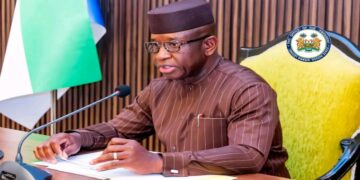
Meanwhile, the government says it is stepping up efforts to combat drug abuse nationwide. Minister of Health, Dr Austin Demby, told AYV’s Wake Up Sierra Leone programme that authorities have adopted a multi-sectoral approach to address what President Julius Maada Bio has declared a public health emergency.
According to Dr Demby, the President in April 2024 announced a national emergency on drug abuse to galvanise a coordinated response.
A National Task Force on Drug and Substance Abuse was subsequently established under the leadership of the National Public Health Agency to drive the response.
The minister disclosed that a Special Fund has been set up to support prevention, treatment, law enforcement and community engagement initiatives.
He also said plans are underway to establish a Special Court to fast-track drug-related cases, with dedicated judges and magistrates to ensure expedited trials.
As part of proposed legal reforms, the government is reviewing existing laws to impose stiffer penalties on traffickers, including prison sentences of up to 15 years and the seizure of assets linked to drug proceeds.
The Chief Justice, Dr Demby added, has been directed to issue new sentencing guidelines to ensure tougher and more consistent punishment in drug cases.
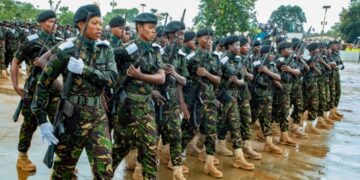
On the security front, a joint Special Security Unit made up of personnel from the Sierra Leone Police and the Republic of Sierra Leone Armed Forces has been deployed to carry out targeted raids on identified drug hotspots across the country.
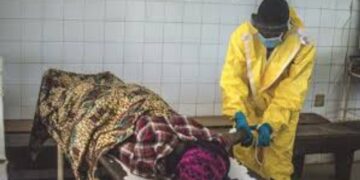
The government maintains that while enforcement is critical, addiction must be addressed primarily as a public health challenge.
Rehabilitation and reintegration remain key pillars of the response, with existing facilities such as the Peace Mission Training Centre in Hastings being expanded and new centres planned for Bo, Daru and Makeni.