

















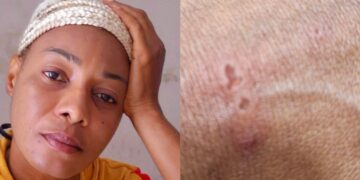









Freetown, September 18, 2025 — Women in the Media Sierra Leone (WIMSAL) and Robert F. Kennedy Human Rights have filed a petition at the ECOWAS Community Court of Justice on behalf of Umu Thoronka, a Sierra Leonean journalist who alleges she was unlawfully dismissed and subjected to years of sexual harassment and intimidation at the Sierra Leone Broadcasting Corporation (SLBC).
The petition accuses the Sierra Leone government of violating regional and international human rights laws, including Thoronka’s right to freedom of expression, protection from discrimination, and the right to life and safety.
According to the filing, Thoronka’s dismissal in July 2024 followed a TikTok post highlighting a town hall exchange in which President Julius Maada Bio faced criticism over rising living costs. SLBC management allegedly deemed the post “critical of the President,” leading to her termination without a hearing.
Thoronka says her dismissal capped years of abuse. She reported repeated sexual harassment and threats from supervisors dating back to 2017, including an attempted rape, groping, and verbal humiliation. After resisting advances, she faced retaliation, including suspension, loss of stipends, and exclusion from assignments.
Despite filing complaints with media and women’s organizations, she claims the government failed to investigate. She later fled the country after receiving death threats and experiencing online attacks.
“This move to seek redress in the ECOWAS court is to put an end to impunity among male counterparts who continue to humiliate, oppress, and harass female journalists like me for simply saying no to their sexual advances,” Thoronka said in a statement. “We cannot continue to suffer in silence.”
Legal counsel Paul Kamara condemned the dismissal as a “manifestly unlawful” act that contravened Sierra Leone’s constitution and labor laws, calling it “arbitrary, disproportionate, and chilling to press freedom.”
WIMSAL President Eastina Taylor said the case reflects “systemic issues in Sierra Leone’s media sector,” where the absence of clear procedures for protecting freelance journalists leaves women vulnerable to exploitation and retaliation.
Kerry Kennedy, president of RFK Human Rights, added that the case “is a stark reminder of the dangers faced by women journalists who speak truth to power.”
The petition asks the ECOWAS Court to hold Sierra Leone accountable for failing to protect journalists and to affirm the right of women reporters to work free from harassment, discrimination, and fear of reprisal.