
















































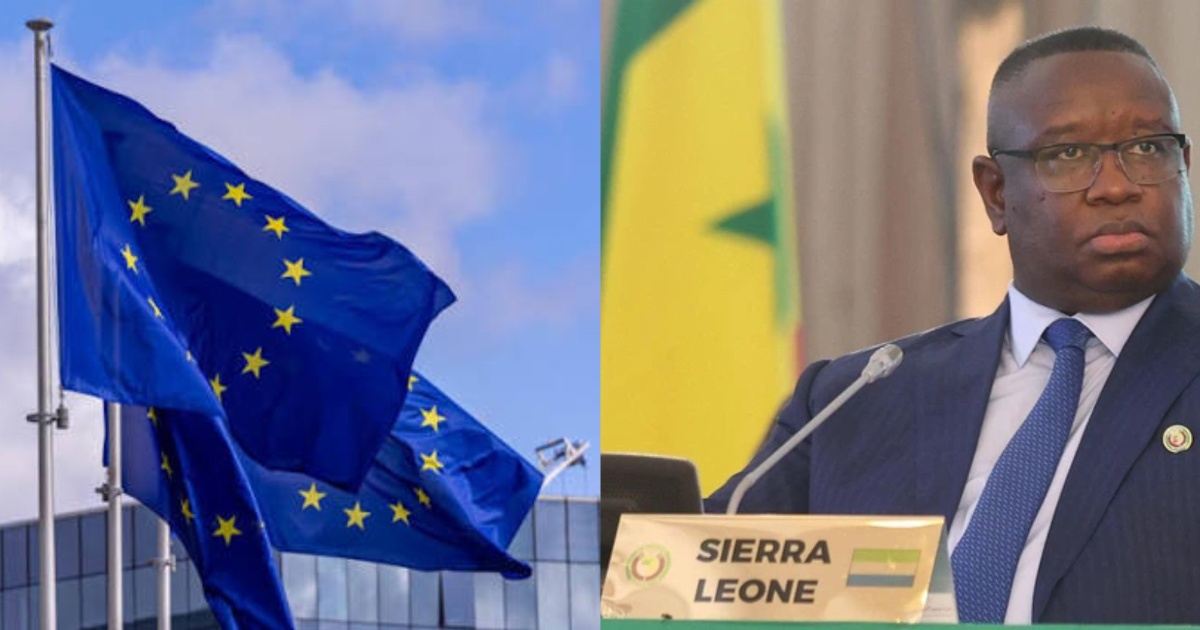
Freetown — The European Parliament has adopted a major resolution on drug trafficking in European waters that specifically names Sierra Leone as a key transit point and highlights the case of Dutch fugitive Jos Leijdekkers, known as “Bolle Jos,” who European authorities say remains at large in the country.
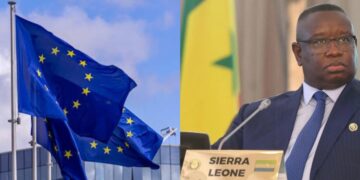
The resolution, passed on Thursday 17 September 2026 by a large majority (601 votes in favour, 4 against and 5 abstentions), calls for stronger international cooperation to tackle sophisticated criminal networks using go-fast boats, semi-submersibles and fishing vessels to move cocaine across the Atlantic and Mediterranean.
In one of its most direct references to West Africa, the text states: “This underscores the need for strengthened judicial cooperation with third countries, including countries in West Africa, to ensure that individuals convicted of serious drug trafficking offences – such as Dutch drug trafficker Jos Leijdekkers, who remains at large in Sierra Leone – do not evade justice.”
Lawmakers stressed that Europe cannot effectively fight cocaine smuggling without deeper collaboration with countries along Atlantic trafficking routes.
They urged the European Commission to expand cooperation frameworks with West Africa that combine law enforcement support, judicial assistance, capacity-building for local authorities, and socio-economic investment to reduce the appeal of trafficking networks.
The resolution also calls for better maritime surveillance, intelligence-sharing and coordinated operations, while emphasising that enforcement alone is not enough and that investment in prevention, treatment and community resilience is essential.
Leijdekkers, one of Europe’s most wanted men, was sentenced in absentia by a Dutch court in 2024 to 24 years in prison for large-scale cocaine trafficking, armed robbery and ordering a contract killing. He faces additional lengthy sentences in Belgium, with Dutch authorities putting the combined total at around 80 years. Europol and Dutch police have offered a €200,000 reward for information leading to his arrest.
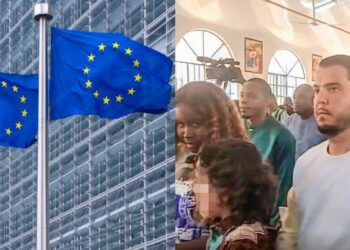
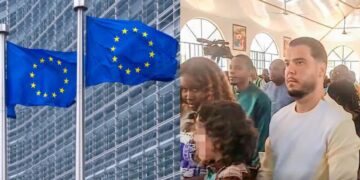
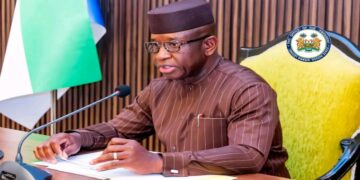
European officials and investigative reports have long alleged that he has been based in Sierra Leone, where he is said to have used the alias Omar (or Umar) Sheriff and cultivated high-level connections. Footage from a New Year’s church service in Tihun in January 2025 appeared to show him near members of the presidential family, including sitting close to President Julius Maada Bio’s daughter Agnes Bio. Sierra Leonean authorities have repeatedly denied knowledge of his whereabouts or any official protection, stating that security services “have no idea” where he is and that the country will not serve as a safe haven for international criminals.
The Dutch government has formally requested his extradition and has pressed for stronger EU pressure, including the possible suspension of development aid (the EU allocated hundreds of millions of euros to Sierra Leone for 2021–2027). Dutch Justice Minister David van Weel has publicly linked Leijdekkers to major seizures, including a record 30-tonne cocaine bust near the Canary Islands earlier this year that Spanish authorities said was organised from Sierra Leone. Sierra Leonean officials have rejected such pressure as neo-colonial interference and pointed to the absence of an extradition treaty.
Recent developments have kept the issue in the spotlight. In mid-September, Ghana’s Narcotics Control Commission arrested three men allegedly linked to Leijdekkers’ network following a nearly 3.9-tonne cocaine seizure at the French port of Dunkirk, valued at around €225 million. Spanish authorities have also previously alleged he organised large shipments stored in Sierra Leone.
For Sierra Leoneans, the resolution raises questions about national sovereignty, the integrity of ports and security institutions, and the potential impact on development partnerships. While the European Parliament’s text does not impose immediate sanctions, it signals growing European determination to close jurisdictional gaps and ensure convicted traffickers cannot find sanctuary beyond EU borders. Local authorities maintain they are cooperating with international partners on counter-narcotics efforts and that no one is above the law.
The resolution forms part of a broader European push for a coordinated response that includes stronger port security, anti-money-laundering measures and support for transit countries facing the social and economic pressures of organised crime.