










































Freetown, Sierra Leone — April 21, 2026 — Sierra Leone’s main opposition party, the All People’s Congress (APC), has announced an end to its boycott of state institutions, marking a significant shift in the country’s political landscape after months of strained relations with the government.
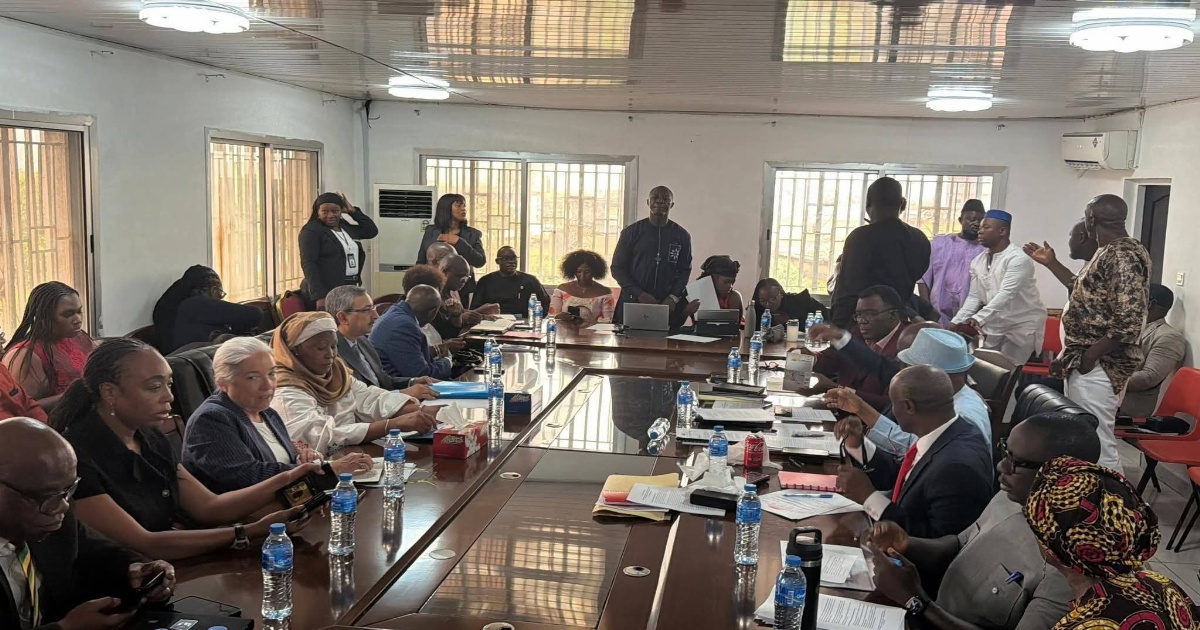
The decision follows a series of engagements with international “moral guarantors,” a group of regional and global actors brought in to mediate tensions stemming from disputes over governance, electoral transparency, and political inclusivity. The talks were aimed at implementing key provisions of the post-election dialogue framework designed to ease tensions after the disputed 2023 general elections.
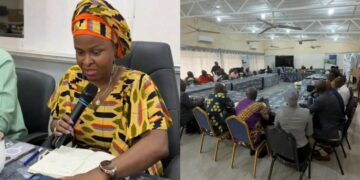
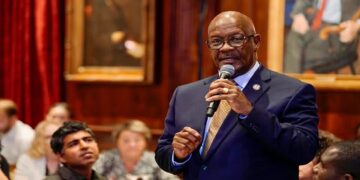
Speaking on behalf of the party, Member of Parliament Hon. Aminata Sesay said the APC’s return reflects growing confidence in the progress made during the negotiations. She noted that several of the party’s longstanding concerns, particularly around electoral reforms, institutional accountability, and political participation, had been constructively addressed.
“The engagement has produced tangible outcomes, giving us the assurance needed to re-engage fully in governance processes,” she stated.
The APC’s boycott had seen its elected officials withdraw from parliamentary sittings, local council activities, and other state functions, a move that raised concerns among civil society groups and international partners about democratic governance and representation.
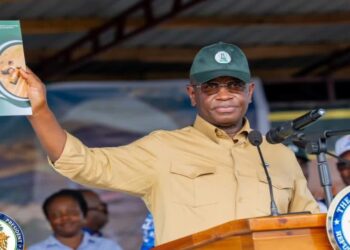
Government officials have welcomed the development. Minister of Information and Civic Education, Chernor Bah described the decision as a “positive and necessary step” toward strengthening political cooperation and restoring public confidence in state institutions.
“This signals a renewed commitment to dialogue, inclusion, and national stability,” Bah said, adding that the government remains open to continued engagement with all political stakeholders.
The APC is expected to release a formal directive in the coming days instructing all its elected representatives to resume their official duties in Parliament and across local councils.
Political analysts say the move could help stabilize Sierra Leone’s democratic environment, improve legislative functionality, and pave the way for further reforms under the supervision of international partners, including regional bodies such as the Economic Community of West African States and the African Union, both of which have played roles in facilitating dialogue.
Observers also note that sustained commitment from both the government and opposition will be crucial in ensuring that agreements reached are fully implemented, particularly in areas such as electoral justice, security sector neutrality, and the rule of law.
The resumption of APC participation is widely seen as a critical step toward easing political tensions and reinforcing democratic governance in Sierra Leone.