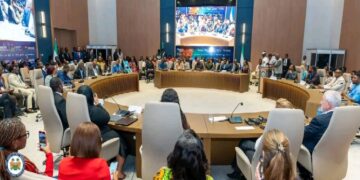



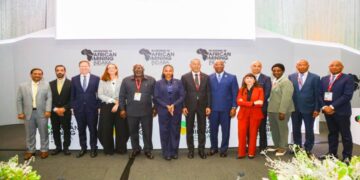















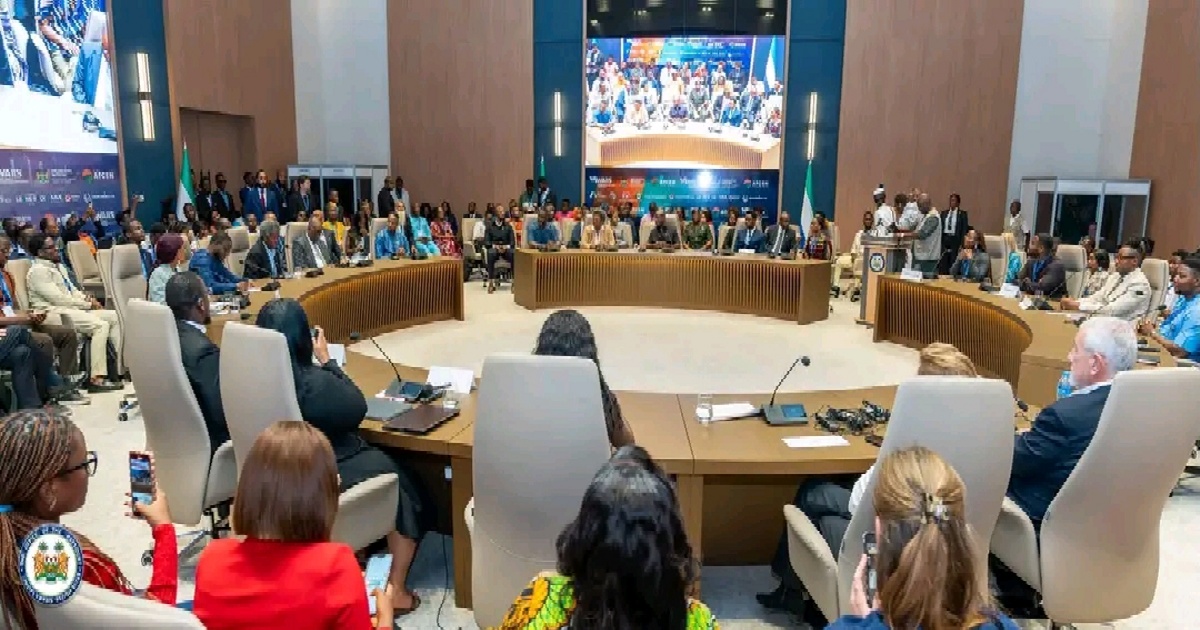
LUNGI, November 18, 2026 — The West Africa Integration and Investment Summit (WAIIS) closed on Tuesday at the Julius Maada Bio International Conference Centre in Lungi with nine more agreements signed and four new announcements on Day Two.
With Day One’s seven outcomes, organisers say the summit delivered 20 outcomes in two days: 13 agreements signed and seven announcements or launches, drawn from a Deal Room pipeline of 122 projects worth about US$19 billion.
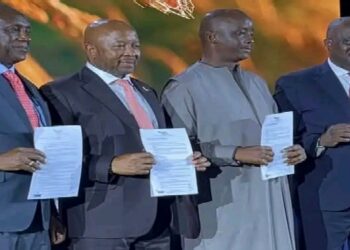
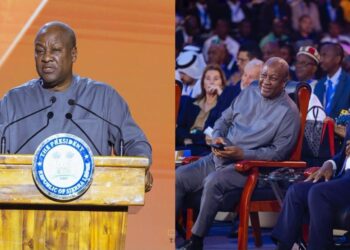
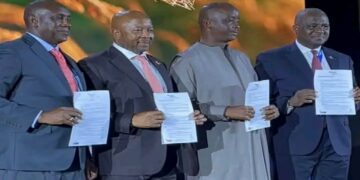
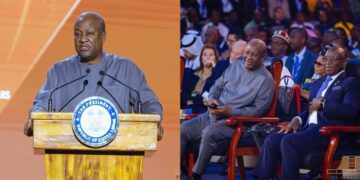
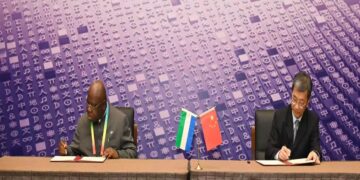
Most were concluded at a joint signing ceremony in the Sierra Leone Investment Plenary, led by Joseph Nganga, Chief Operating Officer of WAIIS, in the presence of President Julius Maada Bio.
Here is what was agreed on Day Two — and why it matters:
1. Phones Made In Sierra Leone?
The Ministry of Communication, Technology and Innovation (MoCTI) and Unique Group signed an MoU to develop a plant for the local assembly of mobile phones and electronics in Sierra Leone.
If it happens, it could mean jobs, cheaper phones, and less dependence on imports.
2. A Sierra Leonean Mobile Operator For Africa
MoCTI, Sierratel and Africell signed an MoU for a joint venture that will bid for mobile licences in other African markets under a Sierra Leonean brand. The Government will hold 15% and Africell 85%.
It is a reversal of the usual story: instead of foreign operators coming here, a Sierra Leonean-backed operator would go out to compete in Africa.
3. A Masterplan For Light
MoCTI and the Ministry of Energy signed an MoU with Aton Path on the Sierra Leone Utility Masterplan — a plan to fix how electricity and utilities are planned and delivered across the country.
4. Kent Port Moves Forward
Gento Group of Companies and Ghana Investment Bank signed an MoU to develop and finance Gento’s Kent harbour terminal. Kent is the logistics hub for the Banana Island Port and Railway programme signed on Day One, which the sponsor estimates at about US$6.1 billion for the port and railway together.
5. US$200m Boost For Pavifort
Afreximbank and Pavifort AL Associates signed a term sheet for a revolving facility of up to US$200 million in bid bonds, performance guarantees and letters of credit. It will help Pavifort bid for and deliver donor-financed contracts across Afreximbank member states over three years.
It builds on Pavifort’s Day One deals on the Three Cities Project and the Ring Road, a programme the sponsor estimates at about *US$2 billion*.
6. African Money Into African Mining
Boxmoor Au and Angola’s sovereign wealth fund, Fundo Soberano de Angola (FSDEA), signed an agreement on Boxmoor Resources, the group behind the Baomahun gold project. Boxmoor Resources is valued at about US$1.5 billion.
Organisers highlighted this as African sovereign capital going into African mining — the exact point Ghanaian President John Mahama made on Day One when he said African minerals must serve African people.
7. Greener Mining
Nigeria signed on to UNIDO’s Global Alliance for Responsible and Green Minerals, which promotes responsible, greener mineral production and processing.
8. And 9. Two New Power Projects
– Teyei Hydropower: Ministry of Energy and FG Gold signed an MoU to develop the Teyei hydropower project, with generating potential of 25-40 MW, to be confirmed by a full feasibility study.
– Nant Power: Ministry of Energy and Nant Power signed an MoU for Sierra Leone’s first large-scale gas-to-power plant at Kissy, Freetown: a 108 MW plant costing US$415 million, financed by US$292 million from the US International Development Finance Corporation and US$40 million from EBID. Its first 60 MW is due on the grid in early 2027.
For Freetown residents used to blackouts, Nant Power could be the most immediate change — if it delivers on time.
The Four Announcements
10. ECOWAS Data Embassy
Chief Minister David Moinina Sengeh announced the ECOWAS Data Embassy Readiness Initiative, which will give member states a protected copy of their critical national data, held with a trusted regional partner.
A US$1 million African Development Bank grant from the Korea-Africa Economic Cooperation (KOAFEC) Trust Fund, funded by the Republic of Korea, is the first money into a US$4.35 million readiness facility, leaving US$3.35 million to raise.
11. Second Submarine Cable — So One Cut Doesn’t Shut Us Down Again
In March 2024, a single cut cable left Sierra Leone severely disrupted. The government announced a second submarine cable, a project of about US$40 million, to give the country a second route to the world, more capacity and cheaper data.
The Government has partnered with the mobile network operators in a National Cable Consortium. The World Bank has allocated US$15 million, and the consortium is inviting private investors to provide the remaining US$25 million.
12. Central Bank To Buy Gold From Baomahun
The Bank of Sierra Leone announced an agreement to buy gold from FG Gold’s Baomahun mine, building the nation’s reserves from its own resources.
Baomahun is one of West Africa’s newest gold mines, built with about US$430 million of African development finance from the Africa Finance Corporation and Afreximbank, and expected to employ up to 900 people.
13. New Merchant Bank
The Bank of Sierra Leone announced the issue of a merchant banking licence to TOCAM Merchant Bank.
What To Watch Now
On paper, WAIIS 2026 was a success: 20 outcomes, billions in pipeline projects, and deals touching phones, power, ports, mining, data and finance.
But as Mahama warned on Day One, and as Sierra Leoneans in Kono, Tonkolili and Moyamba know too well, signing an MoU is not the same as building a plant, switching on light, or putting money in a community’s pocket.
The real test starts now: will these agreements become jobs, cheaper data, reliable electricity, and mining wealth that stays in Sierra Leone?