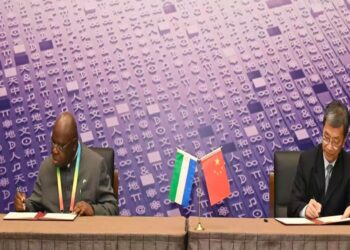
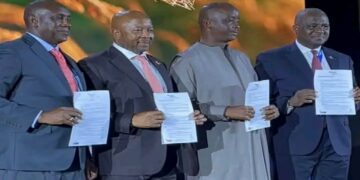








































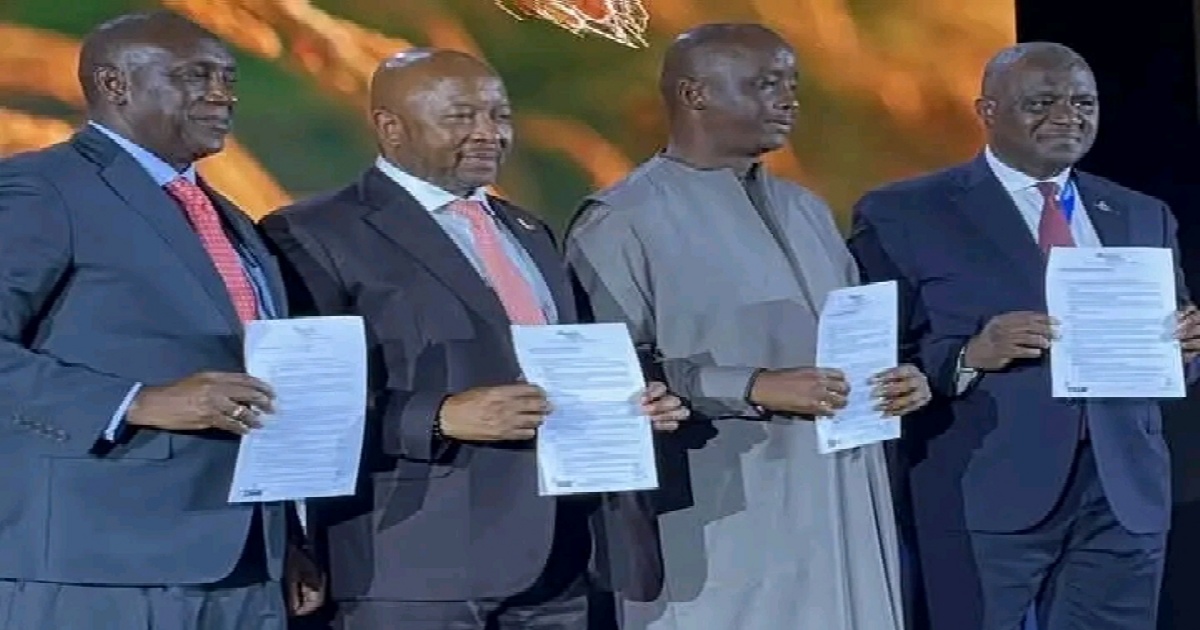
Sierra Leone’s long-discussed plan for a major deep-sea port at Banana Island took a notable step forward this week after Gento Group signed a Memorandum of Understanding with Nigeria’s Dangote Group and the African Export-Import Bank.
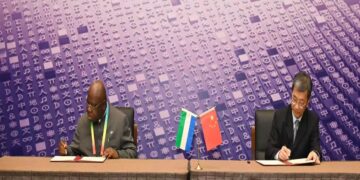
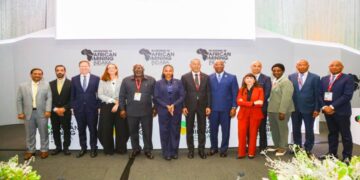
The agreement was formalised on Tuesday, 17 November 2026, at the West Africa Integration and Investment Summit in Lungi. For many Sierra Leoneans, the development raises familiar questions: will this project finally materialise, and what will it mean for jobs, mineral exports and the country’s place in regional trade?
Gento Group, the Sierra Leonean company leading the project, says the proposed port at Banana Island is designed to take advantage of the area’s natural deep-water conditions. Plans point to a water depth of about 22 metres — deep enough, in theory, to handle larger vessels that currently bypass Sierra Leone.
Company chief executive, Mohamed Gento Kamara described the project as a chance to reconnect the country more effectively to global shipping routes and restore some of its historical role as a trading centre.
The port is not a new idea. In July 2024, Parliament ratified a concession agreement that gave Gento Group the rights to design, finance, build and operate a seaport in the Dublin and Ricket communities of Banana Island, together with a logistics hub at Kent. The wider plan includes a railway link from mining areas to the coast and a bridge connecting Kent to the island — infrastructure intended to move minerals and other cargo more efficiently to international markets.
What is new is the formal involvement of two heavyweight African institutions. Dangote Group brings industrial and infrastructure experience across the continent, while Afreximbank is a key player in trade finance. Their participation signals that the project is attracting serious regional interest. Yet the MoU itself does not amount to confirmed construction funding. Details of how much each party will contribute, the timeline, and exact responsibilities have not been made public.
For Sierra Leone, the stakes are clear. A functioning deep-water port could reduce the country’s reliance on facilities in neighbouring states, lower export costs for minerals, and create opportunities in logistics, shipping and related services. It could also strengthen the country’s position within West African trade corridors. At the same time, residents of Banana Island and Kent will be watching closely for clarity on land use, environmental safeguards and local benefits.
The project has already undergone preliminary feasibility work. In 2024, Dutch consultancy Maritime and Transport Business Solutions carried out market, traffic and financial assessments for Gento Group. Those studies form part of the technical groundwork, but turning studies and partnership agreements into actual construction remains the harder test.
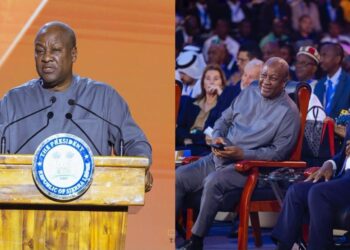
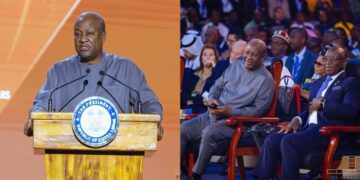
The signing comes during a summit focused on regional integration and investment, held at the Julius Maada Bio International Conference Centre in Lungi. While the gathering has drawn governments, investors and development banks, Sierra Leone’s immediate interest is more practical: whether this latest partnership can move the Banana Island port from paper closer to reality.
For now, the MoU marks progress rather than completion. The real measure will be whether financing is secured, supporting infrastructure is built, and the project delivers tangible economic gains for Sierra Leoneans.