















































FREETOWN, November 17, 2026 — The Supreme Court of Sierra Leone has adjourned hearing of the consolidated cases challenging the Constitution of Sierra Leone (Amendment) Bill, 2025 to Monday, November 23, 2026.
The hearing was initially scheduled for Wednesday, November 18, 2026.
According to a Notice of Adjournment issued by the Judiciary on Tuesday, the adjournment follows a Case Management Conference held today, November 17, at the Chambers of the Chief Justice, Honourable Justice Komba Kamanda, and attended by counsel representing all parties to the proceedings.
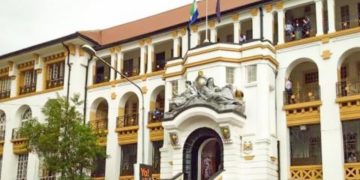
At the conference, it was unanimously agreed that the matters be rescheduled for hearing from Monday, November 23 to Friday, November 27, 2026. Hearings will commence daily at 10:00 a.m. at the Law Courts Building, Siaka Stevens Street, Freetown.
Why This Case Matters
The consolidated cases are the most consequential constitutional dispute in Sierra Leone in recent years. They will determine whether Parliament lawfully passed the Amendment Bill on August 10, 2026 — a Bill that seeks to change key rules for the 2028 general elections.
At the heart of the dispute is a numbers question:
On August 10, after APC MPs staged a walkout in protest, Speaker Segepoh Solomon Thomas ruled that the Bill could be passed by a simple majority under Section 91(1) of the 1991 Constitution. The Clerk of Parliament certified that it passed with 97 votes.
The challengers — including APC MPs Hon. Osman Timbo, Hon. Abdul Kargbo, Hon. Daniel Koroma, the All Peoples Congress (APC) itself, and other citizens — argue that Section 108 of the Constitution is the specific provision for amending the Constitution, and it requires “not less than two-thirds of all Members of Parliament.” With 149 MPs, that means 100 votes, not 97.
If the Court agrees with the challengers, the passage of the Bill could be declared unconstitutional.
What The Bill Would Change
The Amendment Bill, 2025, proposes to:
– Lower the threshold to win the presidency in the first round from 55% to 50% plus one vote, and
– Revise the proportional representation system for parliamentary elections introduced in 2022.
Supporters in government say the changes will make elections simpler and more representative. Critics say they were rushed through without the required constitutional majority.
What Is Before The Court
The Supreme Court consolidated several related matters into one proceeding in October:
1. A Presidential Reference filed by President Julius Maada Bio under Section 122, seeking the Court’s advisory opinion before he decides whether to assent to the Bill;
2. A Speaker’s Reference filed under Section 124;
3. Actions filed by APC MPs and the APC Party;
4. A Reference for Judicial Opinion filed by the Attorney-General and Minister of Justice, Alpha Sesay, registered as S.C. No. 12 of 2026.
The Institute for Legal Research and Advocacy for Justice (ILRAJ) was also admitted as amicus curiae, a friend of the court to assist the bench.
Last month, the Court, led by Chief Justice Kamanda, struck out a motion by the Attorney-General seeking to dismiss the cases on grounds of jurisdiction, parliamentary privilege under Section 94(2), presidential immunity under Section 48(4), and prematurity because the Bill has not yet been signed into law. The Court ruled the cases should proceed to substantive hearing.
What Happens Next
The five-day hearing from November 23 to 27 is expected to hear full arguments on Sections 91 and 108 — whether a general voting rule can override the specific constitutional amendment procedure, and whether Parliament can determine the constitutionality of its own proceedings to the exclusion of the Supreme Court under Sections 124 and 127.
The Judiciary has advised members of the public seeking more information to contact the Supreme Court Registry on +232 76 669000.
The eventual ruling is expected to have far-reaching implications for the 2028 elections and for the balance of power between Parliament, the Executive and the Judiciary.