
























































FREETOWN, Oct 2, 2026 — The Anti-Corruption Commission (ACC) has called for integrity, accountability and probity to be placed at the centre of the proposed Code of Conduct for Ministers, Deputy Ministers and other Political Appointees.
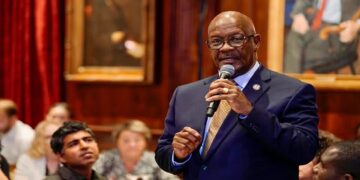
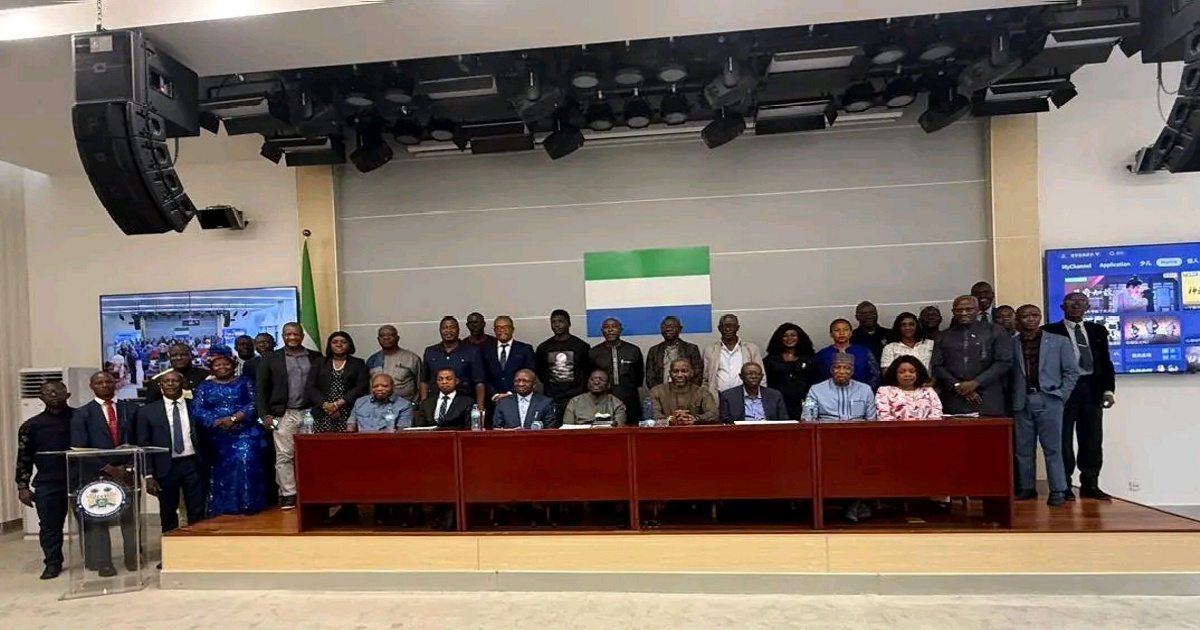
The call was made by Deputy Commissioner Augustine Foday Ngobie at a Consultation Workshop organised by the Ministry of Public Administration and Political Affairs (MoPAPA) with support from UNDP in Freetown.
Mr. Ngobie described the proposed Code as a crucial step to set clear ethical standards for people entrusted with political and public responsibility.
Drawing on the ACC’s experience in investigating corruption, he said the Code must address critical risk areas that have led to scandals in the past, including:
– Conflict of interest — when a minister’s private interest clashes with public duty
– Asset declaration — compulsory declaration of wealth and liabilities on taking and leaving office
– Registration of gifts — to stop bribes disguised as gifts
– Use of public resources — misuse of government vehicles, fuel and state assets for private and political purposes
He stressed that the Code should not just be a list of restrictions, but a practical guide that helps public officials do their job properly while being accountable to citizens.
The consultation brought together government officials, MDAs, civil society, the media and development partners to craft a workable framework for ethical leadership.
Sierra Leone currently has a Code of Conduct for public officers under Section 7 of the Anti-Corruption Act 2008 (as amended), but there is no specific, enforceable code for political appointees, a gap that governance advocates have long complained about. Ministers and deputies presently sign a generic oath, but enforcement has been weak.
The new Code, if adopted, is expected to spell out sanctions for violations, including fines, suspension and referral to the ACC, and will be part of President Bio’s wider public sector reform drive coordinated by MoPAPA.
UNDP said it is supporting the process to strengthen trust in public institutions ahead of the 2028 elections.