







































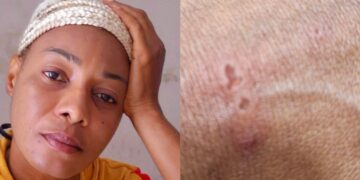

















Freetown, August 24, 2026 — The Lawyers’ Society has expressed deep concern over reports of the deteriorating health of detained activist and entertainer Zainab Sheriff and urged authorities to ensure she receives immediate and adequate medical attention.
In a statement, the Society reminded the public and government that incarceration does not strip a person of fundamental rights to dignity, humane treatment, and access to healthcare. While the loss of liberty is the lawful punishment, it must never become an excuse to deny necessary medical, psychological, or psychiatric care.
“This is not merely a matter of compassion,” the statement said. “It is a matter of law, human dignity, and internationally recognised standards of prison administration.”
Zainab Sheriff, a popular singer, model, reality-TV personality, and chairperson of the Wi Duti Movement, was sentenced in April 2026 to four years and two months’ imprisonment for incitement and using threatening language. The charges arose from remarks she made at an All People’s Congress (APC) rally in Freetown in January. She has remained in custody at the Sierra Leone Female Correctional Centre and is pursuing an appeal.
In recent weeks, social media was flooded with rumours that she had died in prison. Her family firmly denied the claims, confirming she is alive but in a serious health condition after a relative visited her. The Sierra Leone Correctional Service (SLCS) also dismissed the death reports as “fake news,” stating that Sheriff fell ill, received medical care, and is recovering. Some reports have linked her illness to a breast-related condition.
The Lawyers’ Society cited the United Nations Standard Minimum Rules for the Treatment of Prisoners known as the Nelson Mandela Rules, to support its position. Rule 24 places responsibility for prisoner healthcare on the State and requires that inmates receive the same standard of care available in the wider community, without discrimination based on their legal status. Rule 25 requires prison health services to protect and improve the physical and mental health of prisoners, with special attention to those with particular needs.
These standards, the Society noted, reinforce the duty of correctional authorities to provide proper care regardless of the offences for which individuals are detained or convicted.
The group acknowledged the challenging conditions under which Sierra Leone’s correctional officers work and expressed appreciation for their efforts. However, it stressed that limited resources cannot justify neglecting the healthcare needs of people deprived of their liberty. Dignity and humane treatment, it said, remain non-negotiable under the Mandela Rules.
Five urgent recommendations
The Lawyers’ Society called for the following measures:
1. Immediate medical assessment and treatment for Zainab Sheriff, including referral to specialist or external facilities where necessary.
2. A comprehensive health assessment of other inmates who may be suffering from physical or mental health conditions.
3. Prompt access to psychological and psychiatric services for prisoners who need psychosocial support.
4. Adequate provision of essential medicines, diagnostic services, and specialist care inside correctional facilities.
5. Regular monitoring of prison healthcare conditions by the appropriate oversight bodies.
The Society made clear that its concern extends beyond Sheriff’s individual case. Her situation, it argued, highlights the broader healthcare challenges faced by many inmates whose medical and psychosocial needs often go unnoticed or untreated.
Sierra Leone’s prisons have long faced criticism for overcrowding, poor sanitation, and inadequate medical facilities. Past audits and human-rights reports have documented shortages of drugs and equipment, delays in specialist referrals, and high rates of treatable illnesses among inmates. These longstanding problems make the Society’s call particularly relevant for the country’s correctional system.
In concluding its statement, the Lawyers’ Society urged authorities to treat the concerns about Zainab Sheriff’s health with the seriousness they deserve while strengthening healthcare across all correctional facilities.
“The bars may restrict liberty; they must never become a barrier to dignity, healthcare and humane treatment,” the organisation said.
The appeal comes amid ongoing public interest in Sheriff’s case, which has drawn attention from civil society, women’s rights groups, and opposition voices who view her prosecution as raising questions about free speech and political expression in Sierra Leone.