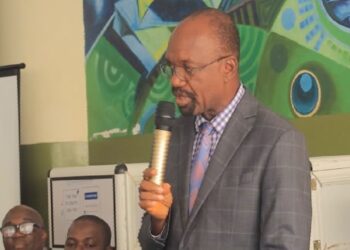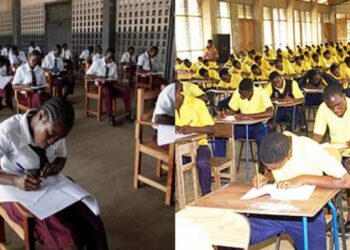
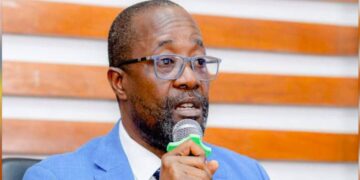









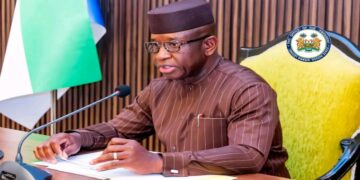










Freetown — Education Minister Hon. Conrad Sackey has clarified the decision to set aside 1,927 National Primary School Examination (NPSE) results, stressing that the majority were not linked to examination malpractice.
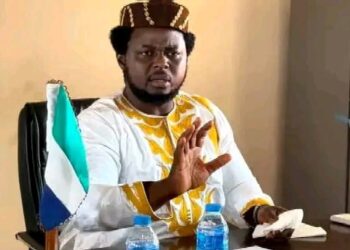
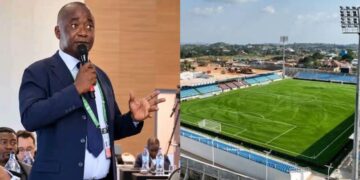
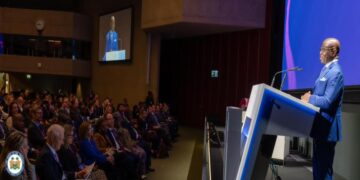
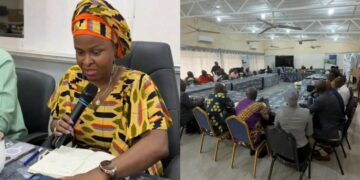
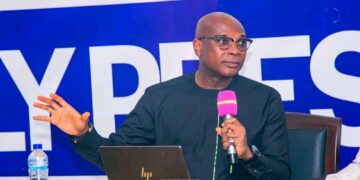
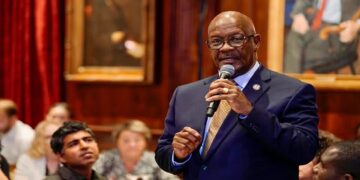
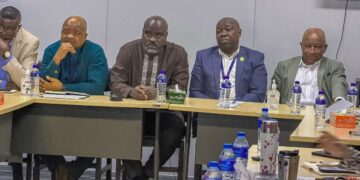
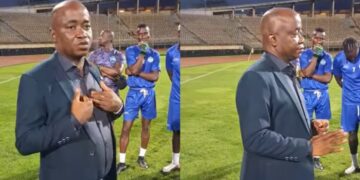
Addressing a Special Edition Civic Town Hall on Wednesday, 26 August 2026, at the Miatta Civic Centre in Freetown, Sackey said the move should not be interpreted as evidence that all affected pupils had cheated. The event, themed “How Do We Address the Threats to Quality Education in Sierra Leone?”, was hosted by Information and Civic Education Minister Hon. Chernor Bah.
Of the 1,927 results placed on hold, approximately 1,640 related to schools that failed to submit the required continuous assessment cards. The decision was taken partly to protect pupils whose continuous assessment scores could significantly influence their overall results and their chances of gaining places in competitive Grade A secondary schools.
Sackey noted that cases of alleged examination malpractice accounted for only about 0.2 percent of the more than 160,000 candidates, roughly 161,000, who sat the NPSE. He urged the public to interpret the figures accurately rather than assume the entire set-aside group was involved in cheating.
The minister highlighted the broader positive outcome of the examinations, which recorded a 78.2 percent pass rate. More than 5,000 pupils scored 300 and above.
He congratulated those who performed well and commended teachers for their contribution, saying the results demonstrated meaningful progress in the education system despite existing challenges.
While addressing the set-aside results, Sackey also outlined wider measures to strengthen examination integrity. These include a new White Paper to replace the 1984 framework, civic education campaigns, greater use of technology to analyse large volumes of data for irregularities, and continued application of punitive measures where evidence of wrongdoing is established.
He reiterated that protecting the credibility of Sierra Leone’s education system requires a collective effort from government, teachers, parents, pupils and other stakeholders.