


































Freetown, Sierra Leone – Spanish authorities have made what is being described as one of the largest single cocaine seizures in European and possibly world history, with strong links to operations allegedly run from Sierra Leone by the fugitive Dutch drug kingpin Jos Leijdekkers, better known as “Bolle Jos”.
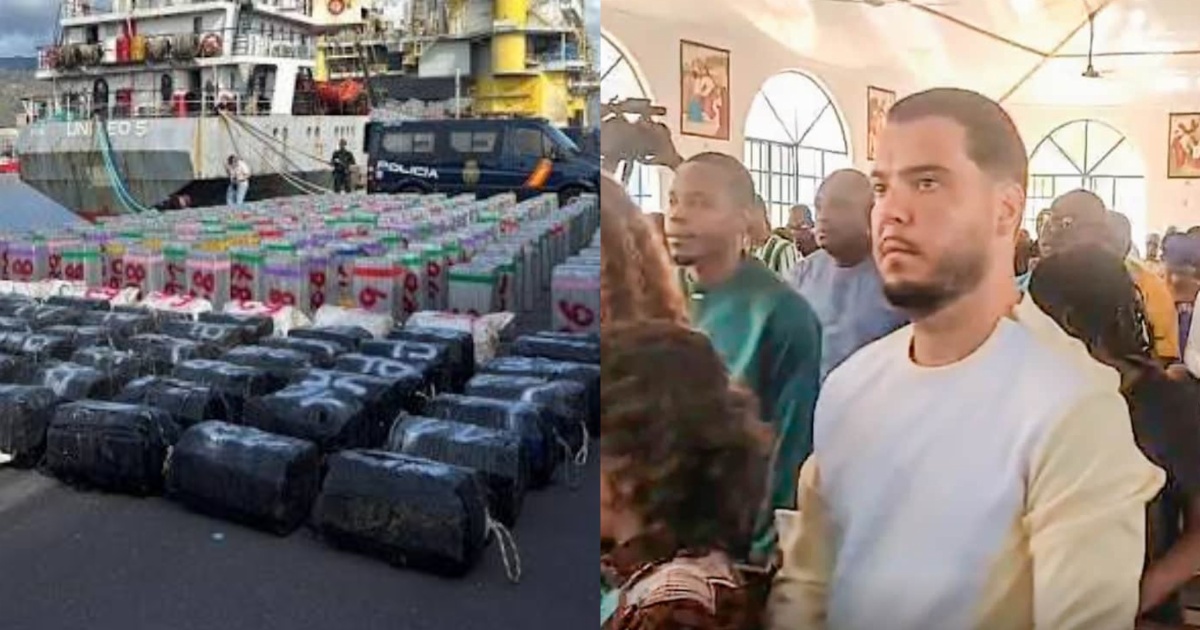
Spain’s Interior Minister Fernando Grande-Marlaska announced that officials seized 30,215 kilograms (over 30 tonnes) of cocaine packed in 1,279 bales aboard the Comoros-flagged vessel Arconian. The street value is estimated at €812.2 million. He called the haul “record-breaking” in the fight against transnational organised crime.
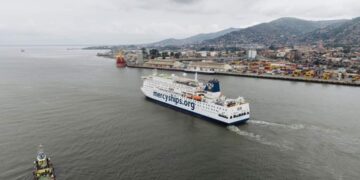
The ship departed Freetown on April 22 and was intercepted on May 1, about 430 nautical miles south of the Canary Islands, while operating as a “mothership” to offload drugs onto fast speedboats heading to European ports.
Weapons, Fuel, and International Links
Beyond the drugs, authorities discovered automatic machine guns, tactical pistols, ammunition, and 43,000 litres of gasoline intended to refuel smuggling speedboats.
All 23 crew members, 17 Filipinos, 5 Dutch nationals, and 1 Surinamese, were arrested and remanded in pre-trial detention. The armed Dutch and Surinamese members are believed to have served as security for the valuable shipment.
Spanish officials link the operation to the notorious Dutch-Moroccan Mocro Maffia syndicate, which authorities believe is controlled by Bolle Jos. Leijdekkers, a convicted drug trafficker wanted in the Netherlands and Belgium, is widely reported to be based in Sierra Leone, which has no extradition treaty with the Netherlands.
Bolle Jos and Sierra Leone Connections
Leijdekkers has reportedly lived openly in Sierra Leone for some time, with alleged high-level protection and personal ties to influential figures. Dutch authorities have repeatedly pressed Freetown for his extradition, but progress remains limited.
Sierra Leone has become a notable transit hub for cocaine moving from South America toward Europe via West Africa. The Arconian bust highlights how Freetown’s port and waters are reportedly being used by international syndicates.
Operation Abisal and Global Cooperation
Operation Abisal succeeded thanks to strong international cooperation involving Spanish Police and Guardia Civil, Europol, the US DEA, Dutch police, and naval support from the UK, Portugal, and Italy.
For Sierra Leone, this major bust raises serious questions about the country’s reputation, port security, and vulnerability to organised crime infiltration. Local observers and anti-corruption voices are calling for greater transparency, enhanced port controls, and full cooperation with international partners to prevent the country from being further drawn into the global cocaine trade.
The removal of over €812 million worth of cocaine and a cache of weapons is a significant blow to the syndicate, but investigators warn that the Mocro Maffia’s reach in West Africa remains deep, with Sierra Leone potentially at the centre of its regional operations.