











































Sierra Leone’s Security Sector has launched preliminary investigations following reports that a cargo vessel linked to a major cocaine seizure in the Atlantic departed from Freetown in April.
In a press release issued on 7 May 2026, the Office of National Security (ONS) said the vessel, registered in the Comoros Islands, reportedly left Freetown on 22 April before being intercepted by Spanish authorities en route to the Mediterranean.
The statement noted that the Sierra Leone Ports and Harbours Authority and the Sierra Leone Police had not yet received any official communication from Spain regarding the incident. However, authorities said inter-agency assessments and inquiries were already underway to establish the vessel’s voyage history and port activities.
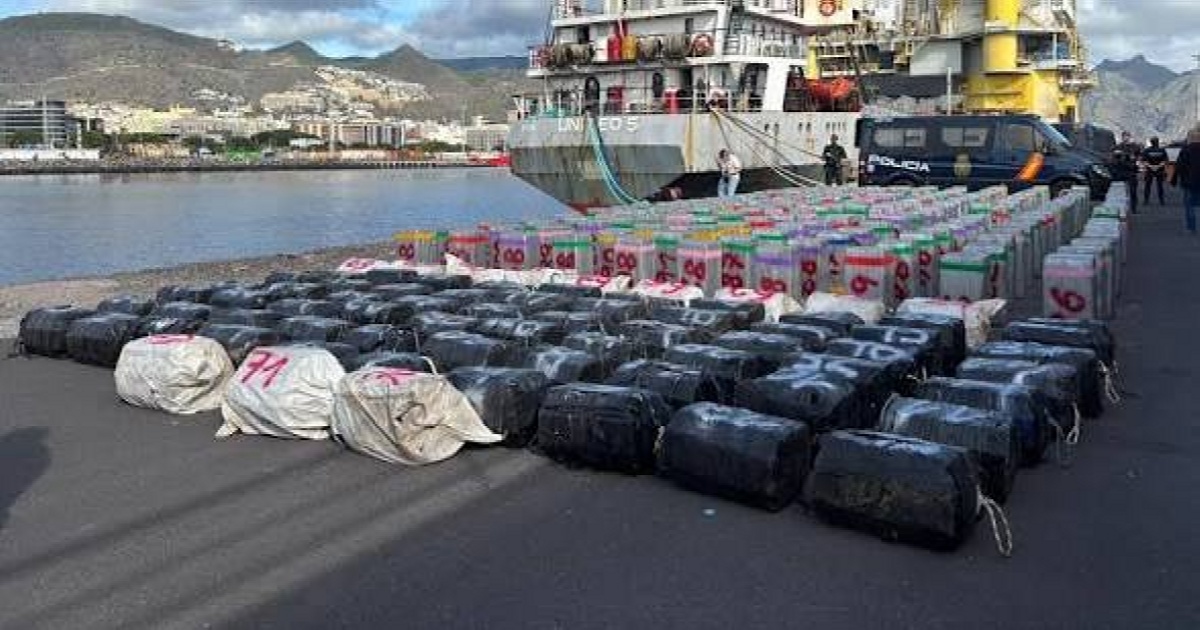
The development follows international reports that Spanish Guardia Civil officers intercepted what is believed to be one of the largest cocaine shipments ever seized in the Atlantic. The vessel, identified in several international media reports as the Arconian, was stopped near Western Sahara off the coast of Dakhla.
According to Spanish investigators, the cargo ship was allegedly carrying between 30 and 40 tonnes of cocaine concealed onboard. Authorities in Spain described the operation as potentially the largest cocaine seizure in the country’s history.
Reports indicate that 23 people were arrested during the operation, including crew members from several nationalities. Spanish media also reported that six armed Dutch nationals believed to be guarding the shipment were among those detained.
Investigators believe the ship may have been operating as a so-called “mother vessel,” intended to transfer cocaine at sea to smaller speedboats for onward distribution into Europe. Authorities reportedly discovered tens of thousands of litres of fuel onboard, believed to be meant for those boats.
Some European reports have linked the investigation to wider international drug trafficking networks operating along West African maritime routes. Spanish authorities are reportedly working alongside Dutch investigators and the United States Drug Enforcement Administration (DEA) as the inquiry continues.
Officials are looking into whether the shipment is linked to the Netherlands’ most wanted drug criminal, Jos Leijdekkers, also known as “Bolle Jos.” Leijdekkers, 34, is originally from Breda and has been the subject of years of Dutch and Belgian investigations. He is believed to be operating from Sierra Leone. According to some reports, he benefits from cooperation with local officials; he is also said to be engaged to the daughter of Sierra Leone’s president, Julius Maada Bio. Sierra Leone lacks an extradition treaty with the Netherlands, complicating efforts to bring him to face charges abroad.
Leijdekkers has received several high-profile convictions and rulings against him. Last year, he was ordered to pay €96 million to the Dutch state in the country’s largest ever proceeds-of-crime case. This followed a 24-year sentence handed down in absentia the year before. A court in Antwerp also sentenced him to seven years in prison after determining that he had imported at least 100kg of cocaine through the North Sea port.
Guy Weski, Leijdekkers’ lawyer, dismissed suggestions that his client was involved in the most recent maritime seizure as “rumours.” “It’s very much beginning to look as if every crime committed on the African continent or in its waters is associated with my client,” Weski said, warning against concluding.
The ONS said Sierra Leone remains committed to combating transnational organised crime and assured both citizens and international partners that the matter is being treated seriously and professionally.
Members of the public with credible information relating to the case have been encouraged to contact Sierra Leone’s Criminal Investigation Department.