



























Freetown, Sierra Leone – In a move aimed at bolstering public engagement, Sierra Leone’s Ministry of Information and Civic Education hosted its routine weekly press briefing on Thursday, shedding light on recent Cabinet outcomes, strides in national development, governance enhancements, and infrastructure advancements.
Officials emphasized the administration’s dedication to openness, responsibility, and broad-based decision-making, while recapping successes from the previous year and charting a bold course for 2026.
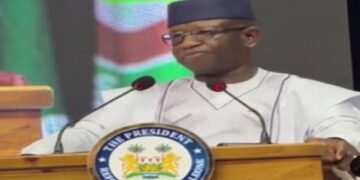
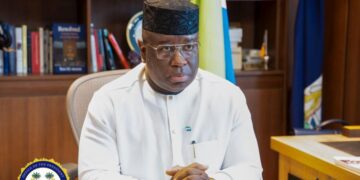
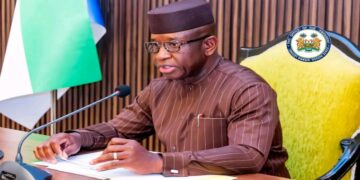
A standout announcement came from Information and Civic Education Minister Chernor Bah, who revealed that President Julius Maada Bio and his Cabinet have mandated the public disclosure of all Cabinet resolutions during these weekly sessions.
Calling it a groundbreaking initiative, Bah highlighted its role in fostering greater trust between the government and citizens. “This step underscores our resolve to promote accountability and make governance more accessible to everyday Sierra Leoneans,” he stated.
Bah also updated attendees on President Bio’s participation in the World Economic Forum (WEF) in Davos, Switzerland, where global influencers converge to discuss pressing issues. This invitation marks a historic first for a Sierra Leonean head of state, reflecting Bio’s rising stature on the international stage.
Strong Performance in 2025 Sets Stage for Future Growth
Chief Minister David Moinina Sengeh reported that the bulk of objectives in the 2025 National Development Plan were met, especially in critical areas like healthcare, education, and farming, with just a handful of areas falling short.
He pointed to notable economic wins, such as curbing inflation, slashing rice costs by 30%, introducing pricing mechanisms for staple goods to ensure stability, and maintaining a steady exchange rate for three consecutive years.
To monitor progress, Sengeh detailed the Performance Tracking Table (PTT), which merges audit insights, Cabinet directives, and development plan elements for rigorous oversight of ministry outputs. In 2025 alone, the government handled 113 Cabinet submissions, approving 85 and pulling back the rest. He pledged that a full PTT report would be released publicly this year to further transparency efforts.
However, Sengeh flagged digitization as a persistent hurdle in auditing, with many agencies still reliant on manual records, heightening the chance of lost documentation.
He called on all Ministries, Departments, and Agencies to hasten their shift to digital systems, while noting that behavioral changes among staff remain an ongoing issue despite tech upgrades.
Clearing up confusion around the Tripartite Steering Committee, Sengeh affirmed that it has convened every quarter and advanced significantly. Electoral changes stemming from its work are slated for parliamentary review imminently.
Infrastructure Push and 2026 Vision
On the infrastructure front, Sengeh offered a side-by-side comparison: the prior APC government built 432 kilometers of roads over 11 years, whereas the current Bio-led team has delivered 442 kilometers in just seven. He stressed that building roads and bridges will continue as a top focus, with expanded projects planned countrywide in the coming year.
For 2026, the government has lined up a series of transformative programs to drive prosperity. These include launching an Agricultural Bank to support farmers, ramping up egg output for better food availability, broadening school meal initiatives, further lowering maternal death rates, enhancing the minimum wage, introducing a nationwide health insurance program, boosting electricity coverage by 45%, extending social safety nets to informal workers, advancing financial access, and upholding sound fiscal policies.
In a boost to national prestige, Sierra Leone is set to welcome ECOWAS leaders in 2026, prompting accelerated infrastructure improvements nationwide.
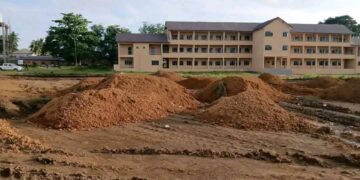
Sengeh reassured Kono District locals that classes at Kono University are proceeding smoothly, with ongoing work on its main facilities throughout the year. Fielding media inquiries, he updated on the Tormabum farming venture, noting that state efforts have covered 3,500 hectares, complemented by 2,000 hectares from private investors.