





































Freetown, Sierra Leone – March 10, 2026: The recent 12.3% surge in fuel prices, pushing petrol and diesel to NLe 32.00 per litre effective March 7, has deepened divisions between the Sierra Leone government and the opposition All People’s Congress (APC), with each side presenting starkly contrasting explanations for the adjustment amid global oil market volatility.
Minister of Information and Civic Education Chernor Bah, representing the government, has firmly attributed the increase to external pressures from international conflicts, particularly in the Gulf region, which have disrupted oil supply routes and escalated global prices.
“The adjustment is necessary to generate the financial resources required for purchasing fuel on the international market, especially when our stocks run low,” Bah stated in a recent address, emphasizing that the move aims to ensure a stable supply and prevent nationwide shortages.
He highlighted the government’s efforts in enhancing national storage capacity and implementing a transparent pricing formula, insisting that without such measures, Sierra Leone could face severe fuel scarcity similar to past crises.
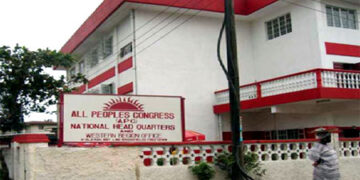
In sharp contrast, APC National Publicity Secretary Sidi Yaya Tunis has dismissed the government’s narrative as misleading, arguing that the hike is predominantly driven by domestic taxes levied on oil marketing companies rather than solely international factors.
“These taxes significantly inflate the final pump price borne by consumers,” Tunis countered, demanding greater accountability in how prices are calculated and applied.
He pointed to a January 2026 increase from NLe 25.00 to NLe 28.50 per litre, which occurred without major global disruptions, as evidence that the government is using current Middle East tensions as a convenient pretext for repeated hikes.
The opposition’s critique has gained traction among citizens and analysts, who echo concerns over potential mismanagement. Public reactions on social media and in comments sections highlight frustration, with many accusing the administration of exacerbating economic hardships for ordinary Sierra Leoneans.
One commenter noted, “Without no conflict our government increases the price… now there is a problem in the middle east and our government increases price again… we just want to be treated with fairness.”
Additionally, a consortium of stakeholders has opposed the latest increment, claiming the government is exploiting allegations of fuel smuggling to neighboring countries as an excuse to justify the rise, further fueling suspicions of opacity in the petroleum sector.
This disagreement underscores broader tensions in Sierra Leone’s energy policy, where the country, entirely reliant on imported petroleum, grapples with Brent crude prices fluctuating around $98-100 per barrel due to ongoing geopolitical unrest.
Critics, including those from the opposition, have called for reforms such as reducing fuel allocations for government officials to ease the burden on taxpayers and exploring renewable energy alternatives to mitigate future vulnerabilities.
As inflation risks mount, with potential ripple effects on transportation and commodity prices, the debate shows no signs of abating, leaving citizens to bear the immediate costs while political leaders trade barbs over accountability and solutions.