



































In the bustling streets of Freetown, taxi driver Mohamed Kamara wipes sweat from his brow as he idles at a fuel station, his tank nearly empty. “This is killing us,” he mutters, eyeing the new pump price of 32 leones per liter, a sharp jump from 28.50 just days ago. It’s a scene repeating across Sierra Leone, where the ripple effects of a distant war are hitting home hard, amplifying economic woes that have long plagued the nation.
Only six days into the escalating conflict between the United States, Israel, and Iran, Sierra Leone’s National Petroleum Regulatory Authority (NPRA) hiked fuel prices on March 7, 2026, citing soaring global crude costs.
The move, now labeled a “hasty error” by critics, comes as Brent crude breached $100 per barrel for the first time since 2022, driven by Iran’s blockade of the Strait of Hormuz, a chokepoint for 20% of the world’s oil. Prices have surged up to 30%, with warnings from Tehran that continued strikes could push oil to $200 a barrel, threatening global supply chains.
Sierra Leone, entirely reliant on imported petroleum, feels the pinch acutely. The NPRA’s adjustment reflects international market volatility, including freight costs and exchange rate fluctuations tied to the Gulf tensions. But for ordinary citizens, it’s another blow in a country grappling with inflation, unemployment, and a cost-of-living crisis. Transportation fares are expected to rise, pushing up food prices and squeezing household budgets already strained by previous hikes.
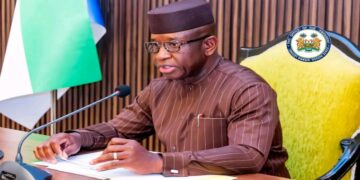
Critics point fingers at President Julius Maada Bio’s administration, accusing it of exacerbating hardships through ineffective economic management. Since Bio’s re-election amid controversies in 2023, detractors have lambasted policies that allegedly prioritize political patronage over sustainable growth.
“The government inherited problems, but they’ve done little to fix them,” says opposition figure Fatima Conteh, echoing widespread frustration over corruption probes that yielded mixed results and failed to stabilize the economy. High debt servicing and reliance on IMF conditionalities have limited social investments, leaving agriculture, touted as a growth driver, underfunded despite promises.
Businesses are bracing too. Shop owner Abie Mounda in Bo notes, “Fuel up means everything up; rice, fish, transport. We’re already barely making ends meet.”
The conflict’s disruptions, including strikes on Iranian oil depots and retaliatory threats across the Middle East, have halved Iran’s exports and prompted output cuts in Saudi Arabia and others. Analysts warn of prolonged inflation if the war drags on, with global markets tumbling and Asian stocks battered by the surge.
Yet, amid the gloom, some see opportunity. Bio’s government highlights efforts in education and health, urging patience as it navigates external shocks like the pandemic and Ukraine war remnants. But with oil flirting at $110 and Iran’s new hardline leader vowing defiance, Sierra Leoneans anticipate tighter belts.
As Kamara finally fills up, he sighs: “We survive, but how much longer?” The answer may lie in distant battlefields, far from Freetown’s fuel queues.