

































New York, July 16, 2026 — Sierra Leone has called for stronger global cooperation to tackle rapid urbanization, affordable housing shortages, and climate vulnerabilities, reaffirming its commitment to the New Urban Agenda during the United Nations General Assembly’s High-Level Meeting on the agenda’s midterm review.
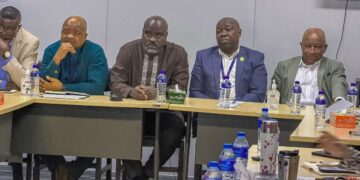
The meeting, convened at UN Headquarters, gathered heads of state, ministers, UN officials, development partners, and urban experts to evaluate progress since the New Urban Agenda’s adoption in Quito, Ecuador, in 2016, and to chart a path forward through 2036. Delegates reviewed the UN Secretary-General’s 2026 Progress Report and prepared to adopt a political declaration on sustainable urban development.
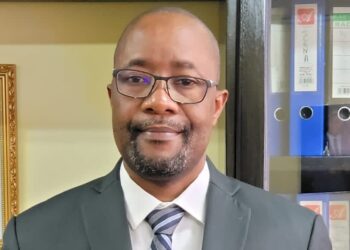
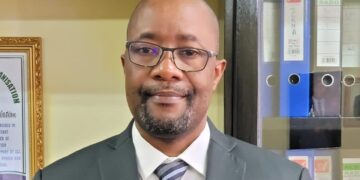
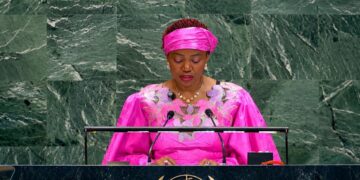
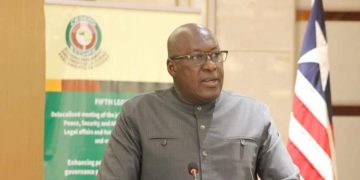
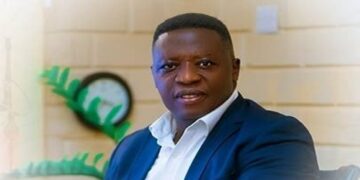
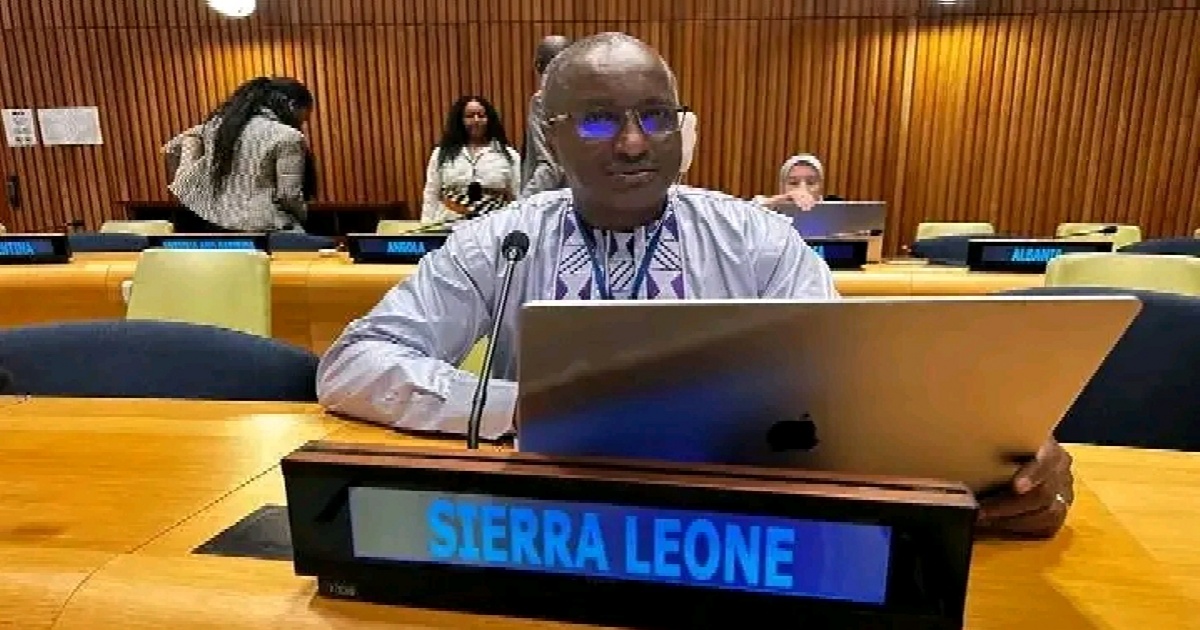
Delivering Sierra Leone’s national statement, Dr. Alphajoh Cham, Director of Planning, Policy and Project Development at the Ministry of Lands, Housing and Country Planning, spoke on behalf of Minister Dr. Turad Senesie. He described the midterm review as a “timely opportunity” to renew global commitments and address challenges posed by fast-growing cities.
“Rapid expansion of Freetown, the Western Area, and secondary cities is placing unprecedented pressure on land, housing, infrastructure, and essential services, while exposing communities to floods, landslides, and coastal erosion,” the statement noted. Sierra Leone emphasized the need for integrated spatial planning, resilient infrastructure, secure land tenure, and inclusive development.
The government highlighted key reforms advanced under President Dr. Julius Maada Bio’s leadership:
– The Customary Land Rights Act, 2022, which promotes equitable land access and protects the rights of women and local communities.
– The National Land Commission Act, 2022, establishing a decentralized land administration system and biometric land title registration.
– The National Country Planning Act, 2025, providing a framework for integrated spatial planning, climate resilience, and decentralized governance.
Sierra Leone also spotlighted the Resilient Urban Sierra Leone Project, which includes the Western Area Regional Spatial Plan, spatial development plans for six secondary cities, enhanced municipal geospatial systems, and capacity building for planning institutions. The government is additionally advancing a National Housing Policy centered on affordable housing, community-led upgrading, local building materials, and improved urban services.
In a significant announcement, Sierra Leone outlined four strategic national commitments to accelerate the New Urban Agenda:
1. Translating policies into tangible delivery of serviced land, affordable housing, secure tenure, and basic services — with priority for low-income and vulnerable households.
2. Strengthening local councils, municipal finance, development control, and citizen participation, especially in secondary cities.
3. Integrating climate adaptation, disaster risk reduction, nature-based solutions, and digital geospatial technologies into planning and infrastructure.
4. Deepening partnerships with UN-Habitat and others through technical cooperation, capacity building, knowledge exchange, and resource mobilization.
Dr. Cham stressed that effective implementation requires collaboration across governments, local authorities, development banks, civil society, academia, and the private sector. He urged the international community to increase support for Least Developed Countries through concessional finance, climate adaptation funding, risk-sharing mechanisms, and greater investment in secondary cities and informal settlements.
Sierra Leone also called for boosted and predictable funding for UN-Habitat and better coordination across the UN system and international financial institutions.
On the sidelines of the meeting, Sierra Leone reaffirmed its partnership with UN-Habitat under an existing Memorandum of Understanding, committing to advance technical assistance, investment opportunities, and knowledge-sharing in urban planning, housing, and land administration.
Concluding the statement, Dr. Cham expressed Sierra Leone’s readiness to work with the international community to make the years leading to 2036 “a decade of implementation,” delivering secure land rights, affordable housing, resilient settlements, and inclusive opportunities — ensuring “no one and no place is left behind.”