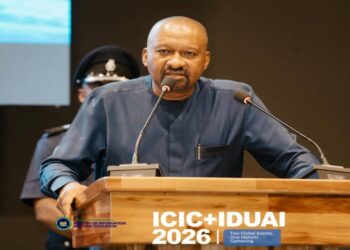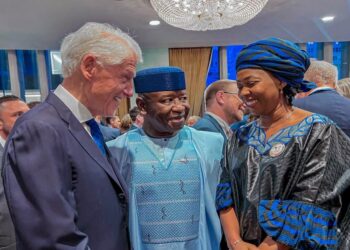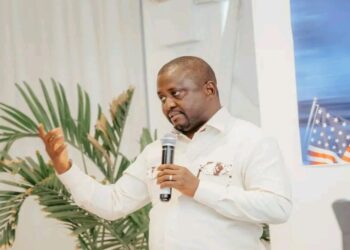
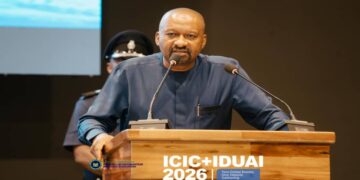
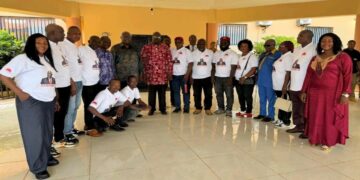


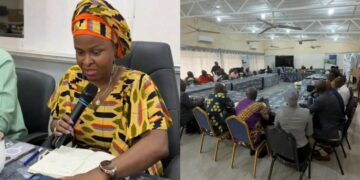


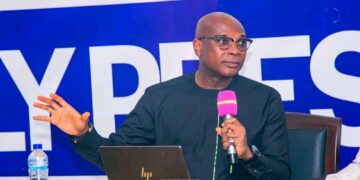


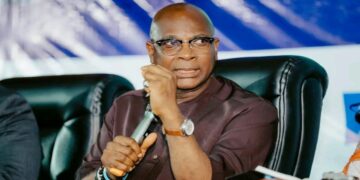









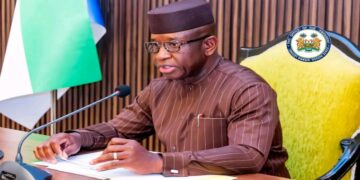



























President Julius Maada Bio has used the occasion of the National Dialogue on Climate Resilience and Energy Transition to praise development partners for their dedication to investing in Sierra Leone’s first-ever energy transition and investment plan and to reiterate the commitment of his government to aggressively pursuing its renewable energy and climate-resilient ambitions.
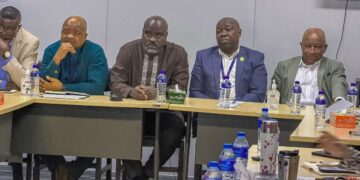
Jointly chaired by Vice President Dr. Mohamed Juldeh Jalloh and the Chairman Presidential Initiative on Climate Change,Renewable Energy and Food Security,Dr. Kandeh Yumkella,the dialogue,organized by PI-CREF on the theme “From Commitment to Action”,seeks to discuss matters such as long-term energy investments,access to modern energy cooking services,climate finance,off-grid energy solutions and mini grids, and the integration of food systems resilience into the Feed Salone program.
President Bio said Sierra Leone was suffering from the devastating effects of climate change and grappling with the challenges of implementing the economic sector that would help it mitigate these impacts.
“Our response to climate change cannot be separated from the issues of access to energy, food security and economic livelihoods.
“In fact,one of the most effective ways to address climate change is to accelerate the shift to alternative economic livelihoods like renewable and smart agriculture,” he noted, while proudly announcing that his government was launching the Just and Inclusive Energy Transition Plan the same day the dialogue was convened.
President Bio thanked development partners for their tireless support to his country’s energy transition road map and reiterated the commitment of his government to achieving a sustainable and resilient energy future.
Deputy Minister of Energy l, Dr. Eldred Taylor, described the energy sector as the cornerstone of the country’s economy,noting however that Sierra Leone continues to be faced with profound challenges in the sector.
He said the energy infrastructure was seriously challenged or constrained,with low access to reliable electricity adversely impacting development efforts.
“Today, as we come together from different corners of the energy sector and different parts of the world,we unite around a common purpose to create a sustainable,efficient and inclusive energy future. It is a momentous time for energy,” he said.
Dr. Taylor stated that the dialogue was vital for the energy sector because it would provide a platform for stakeholders to collaborate on innovative solutions.
He catalogued a number of investments and reforms in the sector,including the MCC Compact,World Bank support to EDSA and the introduction of the new EWRC Act.