




































The Government of the Netherlands has intensified its efforts to secure the extradition of convicted Dutch drug trafficker Jos Leijdekkers, popularly known as “Bolle Jos”, by seeking the support of West African countries to increase diplomatic pressure on Sierra Leone.
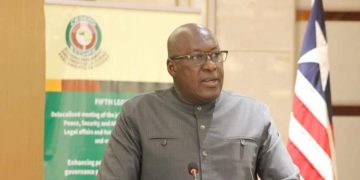
Dutch Minister of Justice and Security David van Weel disclosed the move following a visit to Ghana, where he held discussions with regional partners on strengthening cooperation against transnational organised crime.
According to Van Weel, neighbouring countries, including Ghana and Liberia, are increasingly concerned about the alleged presence of Leijdekkers in Sierra Leone and the activities of his criminal network across West Africa.
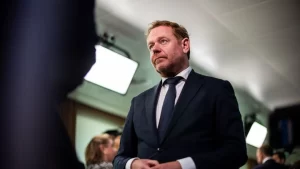 He said the Netherlands was exploring all available diplomatic options to secure his extradition and was also considering the establishment of a permanent regional secretariat in West Africa dedicated to combating international drug trafficking.
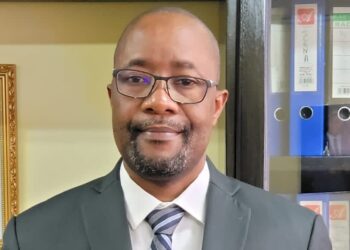
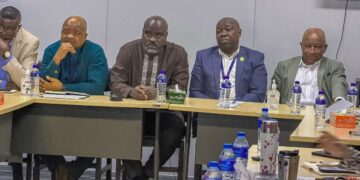
The Dutch minister further revealed that Sierra Leone’s Attorney General and Minister of Justice, Alpha Sesay, participated in the regional discussions on his own initiative and later wrote to him proposing continued engagement towards resolving the matter.
Van Weel described the communication as an indication that growing international pressure was being recognised, although he said stronger action was still needed.
Leijdekkers, 34, is regarded as the Netherlands’ most wanted fugitive. He has been convicted in absentia in both the Netherlands and Belgium for large-scale cocaine trafficking and involvement in a contract killing, receiving prison sentences totalling about 80 years. Dutch authorities have also ordered him to repay €96 million in criminal proceeds.
Dutch authorities believe Leijdekkers is living in Sierra Leone, an allegation that has repeatedly placed Freetown under international scrutiny. Reports in European media have also alleged links between the fugitive and the family of President Julius Maada Bio. The First Lady, Fatima Bio, has previously denied the allegations, while the Government of Sierra Leone has maintained that it is following due legal process regarding the Dutch extradition request.
The renewed diplomatic effort follows several unsuccessful attempts by the Netherlands to apprehend Leijdekkers. Dutch media previously reported that special forces came close to arresting him during covert operations off the coast of Sierra Leone before the missions were called off. Dutch prosecutors have also intensified legal action against his associates, including the extradition of his brother from Turkey on money laundering charges.
The latest development comes only days after Dutch officials confirmed they were lobbying European Union member states to consider suspending portions of EU development assistance to Sierra Leone unless greater progress is made on the extradition request. While the proposal has yet to secure sufficient support within the EU, the issue has further heightened diplomatic tensions between the two countries.