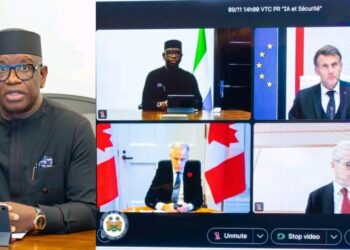


























































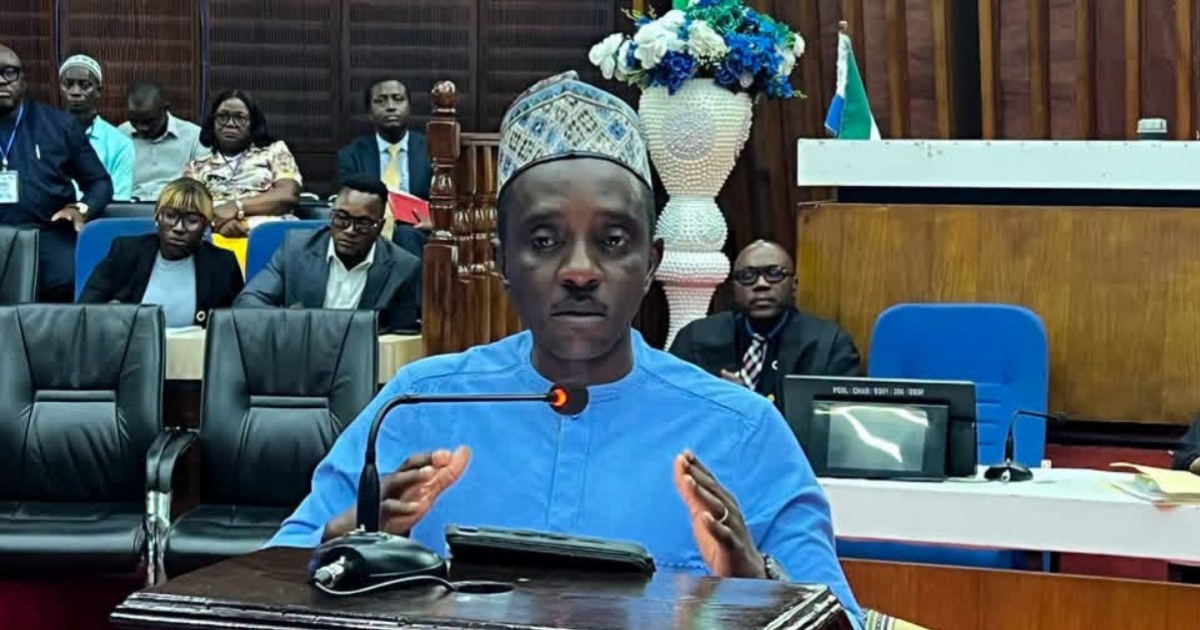
FREETOWN, November 10, 2026 — Minister of Information and Civic Education Chernor Bah has tabled two landmark bills in Parliament aimed at overhauling Sierra Leone’s information governance system.
The bills — The Data Protection and Right to Access Information Bill, 2026 and The National Records and Archives Bill, 2026 — were introduced on Thursday, November 5, completing their First Reading in the House.
Minister Bah, who led the presentation, said the bills are central to government’s push for digital transformation, transparency and accountability.
The Data Protection and Right to Access Information Bill seeks to create for the first time a comprehensive legal framework that does two things at once: protect citizens’ personal data and guarantee their right to access information held by public bodies.
Under the proposal, a new independent authority will be established to regulate both data protection and access to information. It will oversee how institutions, including banks, telecom operators, MDAs, schools and private companies collect, store and use personal data, and will enforce penalties for misuse, data breaches and unauthorized sharing.
The bill will also strengthen the right of ordinary Sierra Leoneans to request information from government, a right currently governed by the 2013 Right to Access Information Act.
The National Records and Archives Bill* on the other hand seeks to replace outdated colonial-era records management laws. It will modernize how government documents, historical archives and official files are preserved, digitized and managed to improve institutional memory and fight loss and tampering of public records.
The tabling follows months of stakeholder consultations led by the Ministry of Information and Civic Education with Parliament, the Judiciary, ECSL, local councils, civil society groups including CHRDI, development partners such as UNDP and Irish Aid, and digital rights organizations.
Bah emphasized that the bills are not yet law. Following Standing Orders of Parliament, they will now proceed to Second Reading for debate on their principles, then to Committee Stage for detailed clause-by-clause scrutiny and amendments, before returning for Third Reading and final passage.
If passed by Parliament, they will require Presidential Assent by President Julius Maada Bio and publication in the Gazette to become Acts of Parliament.
The move places Sierra Leone closer to international best practice, joining countries like Ghana, Kenya and Nigeria that have already enacted standalone data protection laws to safeguard citizens in the digital age.