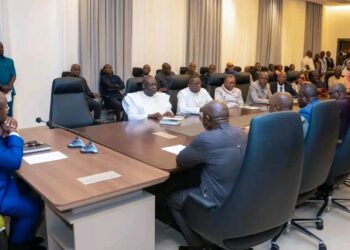
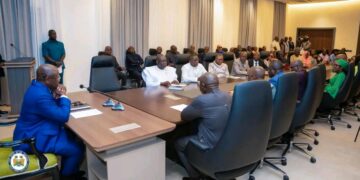

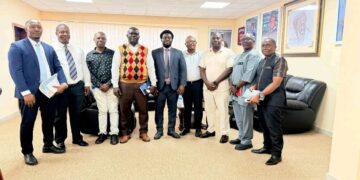











































Freetown, Sierra Leone – Chief Minister Dr. David Moinina Sengeh led a high-level inspection of the Juba Military Barracks on Tuesday, shedding light on persistent infrastructure deficits while unveiling ambitious plans to modernize accommodations for the Republic of Sierra Leone Armed Forces (RSLAF).
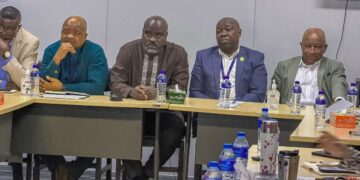
Joined by key defense figures, including the Director General of Defense, Chief of Defense Staff (CDS), members of the military leadership, and the Chairman of the Assets Commission, Sengeh’s visit centered on evaluating the living and working environments of troops and their families.
The tour aimed to gauge the feasibility of ongoing proposals for nationwide military housing upgrades, with Juba serving as a focal point due to its historical and current significance.
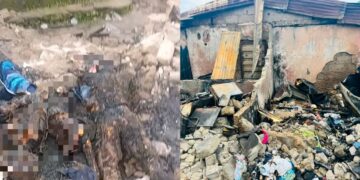
During the walkthrough, barracks commanders provided a frank assessment of the site’s conditions, revealing a host of inadequacies that have long hampered daily life. They pointed to the lack of essential amenities, such as operational toilet facilities, reliable access to clean drinking water, and suitable schooling options for children on base. These issues, leaders explained, have created ongoing hardships for service members, who endure subpar settings while fulfilling their duties.
Sengeh, in a personal reflection shared post-visit, noted the deep-rooted connections to Juba among top brass: the CDS was born at the barracks and resided there for four years before his elevation, while the current head of the Navy still calls it home.
“This isn’t a decision from disconnected officials—it’s grounded in reality,” he emphasized, underscoring the need for immediate action.
The inspection exposed broader systemic challenges: across Sierra Leone, only 35% of RSLAF personnel reside in official barracks, with Juba’s situation even more dire, featuring just 16 remaining post-colonial housing units amid a patchwork of dilapidated, makeshift structures. Deeming this “unacceptable,” Sengeh announced that the Defense Council has endorsed a transformative redevelopment of the 21-acre Juba site.
Key elements of the plan include building new officers’ quarters directly at Juba, constructing a 500-unit barracks complex in Masiaka, and establishing additional facilities in the northern, southern, and eastern provinces. The overarching objective is to ensure 100% of military personnel are housed in proper barracks by 2030, a dramatic leap from today’s figures. Importantly, the Juba Services School will remain on-site to maintain educational stability for families.
The visit also spotlighted the RSLAF’s proactive initiatives beyond housing, such as the ongoing construction of a 56-kilometer road in Tonkolili District and large-scale agricultural projects on military lands, with a goal of achieving self-sufficiency in food production by year’s end.
Sengeh tied the barracks improvements to wider military advancements under President Julius Maada Bio, including the recent launch of a tri-service framework, a 25% salary boost for troops, and commitments to UN peacekeeping operations.
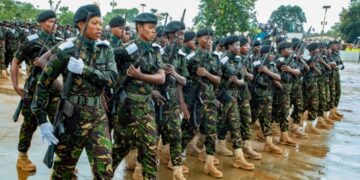
He highlighted surging morale, evidenced by a recruitment drive where 21,000 young applicants competed for 1,000 positions.
Addressing potential concerns, Sengeh dispelled rumors surrounding the development, stating no authorizations for payments or contracts have been issued.
“We will proceed with utmost transparency and due process,” he assured, committing to public accountability throughout.
This inspection marks a pivotal step in prioritizing the welfare of Sierra Leone’s armed forces, with Sengeh reaffirming the government’s dedication: “Together, we will deliver for our gallant troops.”