









































March 1, 2026 — The Economic Community of West African States (ECOWAS) has issued a strong call for de-escalation in the Gulf region, warning that fresh military clashes risk undermining global peace and triggering severe disruptions to energy markets, trade routes, and food supplies, with particularly heavy consequences for African economies.
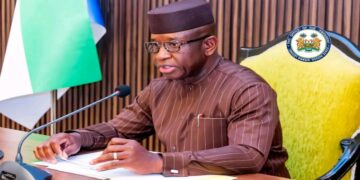
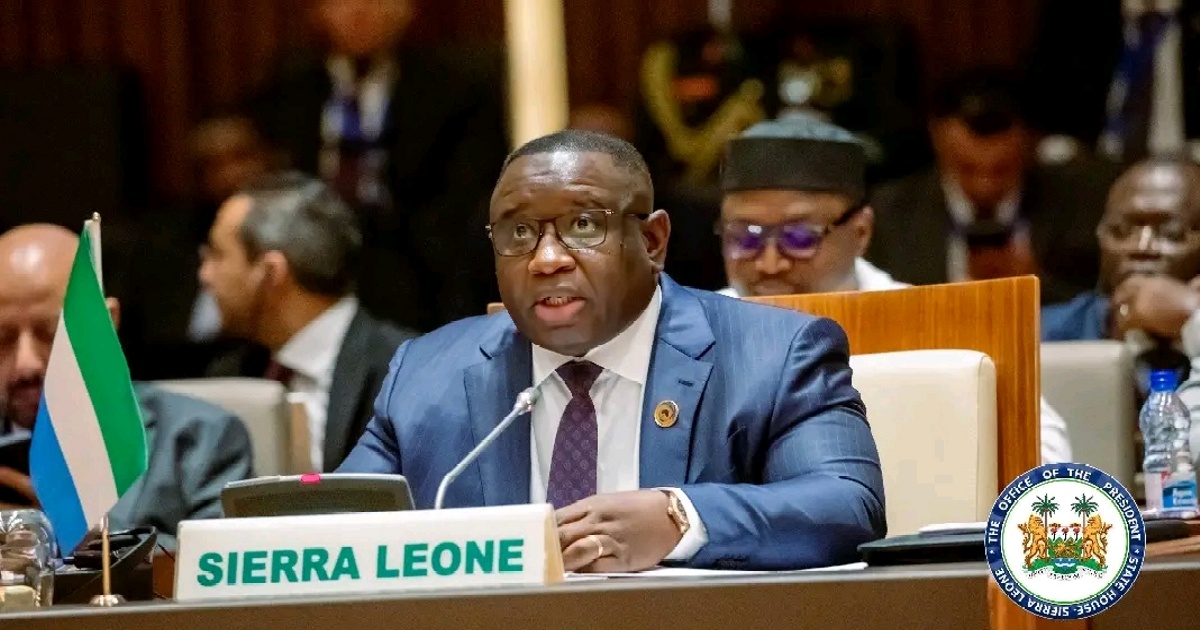
In a statement released in Abuja on February 28, 2026, the 15-member regional bloc, under the chairmanship of Sierra Leone’s President Dr. Julius Maada Bio, aligned itself fully with the African Union Commission’s position.
The statement comes on the same day that the United States and Israel launched coordinated strikes on Iranian targets, prompting swift Iranian retaliation with missile and drone attacks on U.S. military assets across multiple Gulf states, including Bahrain, Kuwait, Qatar, the United Arab Emirates, Jordan, Iraq, Saudi Arabia, and Syria.
“Widening instability in the Middle East poses a direct threat to international peace and security,” the ECOWAS statement reads. It highlights the potential fallout for vulnerable regions, noting that any prolonged conflict could spike global energy prices, block key shipping lanes such as the Strait of Hormuz, and drive up food costs, challenges already straining many African nations that rely heavily on imported fuel and commodities.
President Bio, who assumed the rotating ECOWAS chairmanship in June 2025 at the bloc’s 65th Ordinary Summit in Abuja, has positioned the statement as a collective West African voice for multilateralism. Sierra Leone’s leadership of the organisation marks a historic moment for the country and underscores its growing diplomatic profile on the continent.
The bloc explicitly urged all parties involved, including Iran, the United States, Israel, and Gulf states hosting foreign military bases, to exercise “maximum restraint,” strictly observe the United Nations Charter and international law, and return immediately to dialogue.
ECOWAS reaffirmed its support for peaceful resolution of disputes and echoed the African Union’s condemnation of the rapid military escalation.
The timing of the statement is significant: it follows weeks of heightened U.S.-Iran tensions rooted in Iran’s internal unrest since late 2025, including widespread anti-government protests met with a harsh crackdown. The February 28 strikes have already raised fears of a broader regional war, with analysts warning of possible attacks on oil infrastructure and shipping that could send shockwaves through global markets.
West African leaders are particularly concerned about secondary effects on the continent. Higher oil prices would hit both oil-importing ECOWAS members and exacerbate inflation in food-import-dependent economies, while disruptions to Red Sea and Gulf trade routes could further inflate shipping costs already strained by earlier global crises.
ECOWAS has not announced further diplomatic steps but emphasised its commitment to working alongside the African Union and the broader international community to prevent the Gulf crisis from spilling over into wider instability.
As President Bio continues his tenure as ECOWAS chair, the bloc’s intervention signals West Africa’s determination to amplify African perspectives on global flashpoints.