









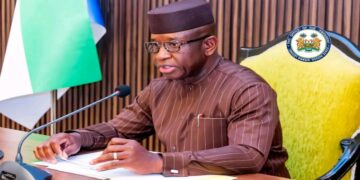

















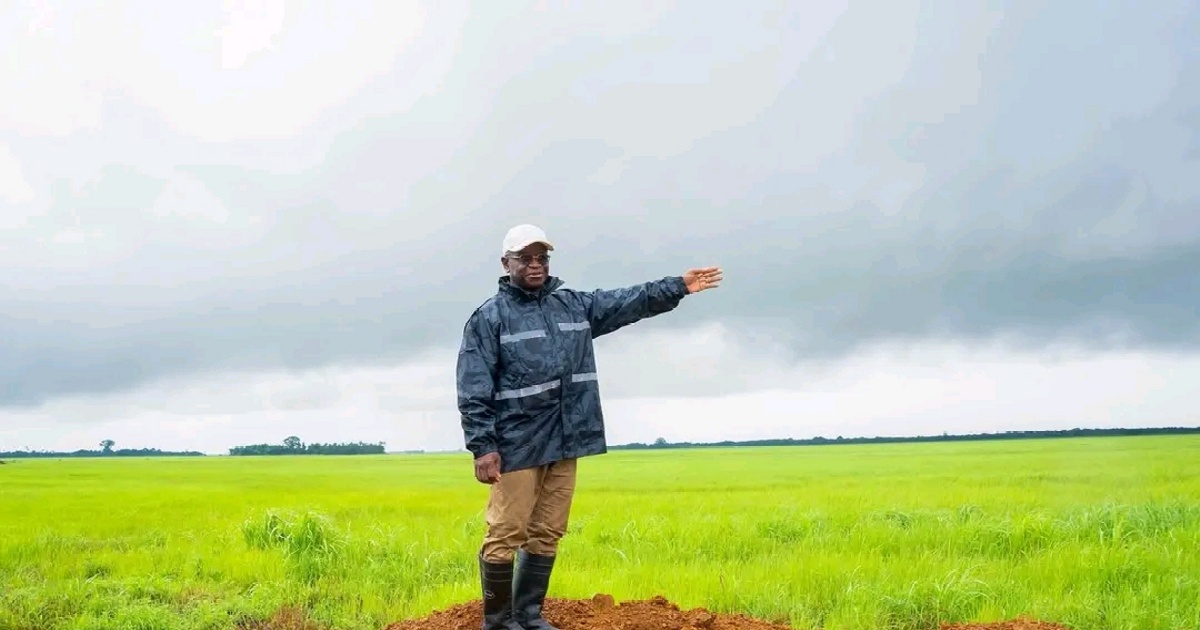
President Julius Maada Bio has visited the Torma Bum Rice Project in Bonthe District to assess progress under the Government’s flagship Feed Salone Initiative.
During the visit on 31 July 2026, the President described the project as a significant milestone in Sierra Leone’s drive towards food security and sovereignty.
He highlighted large-scale cultivation of rice alongside pepper, maize and other crops, and expressed strong confidence in the initiative’s direction.
In a post following the inspection, President Bio said it was “an incredibly exciting day at Torma Bum,” adding that Feed Salone is “making remarkable progress” and that the Government is “making the right decisions to achieve food sovereignty.”
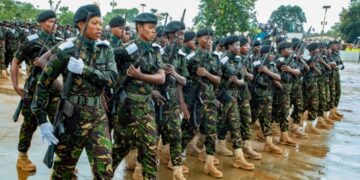
The President also commended the active involvement of the Republic of Sierra Leone Armed Forces (RSLAF). The military has expanded its agricultural footprint nationwide, cultivating thousands of acres of rice and other crops, and has signalled plans to scale up operations at Torma Bum as part of efforts to support national food production and military self-sufficiency.
Accompanied by officials including Hon. Kandeh Yumkella, Chairman of the Presidential Initiative on Climate Change, Renewable Energy and Food Security, the President inspected nearly 3,000 hectares of mechanised precision rice farms. Features under development include irrigation canals to be powered by solar photovoltaic systems and the use of drone technology for modern crop management—steps that demonstrate Sierra Leone’s potential to advance in digital and climate-smart agriculture.
Torma Bum, located in the fertile riverine and boli lands of Bum Chiefdom, forms a key agro-industrial hub under Feed Salone. Originally launched by President Bio in June 2021 as the Sierra Leone Regional Rice Value Chain Project (with support from partners including the African Development Bank and Islamic Development Bank), it has evolved into a larger effort aligned with the national initiative unveiled in 2023. The broader programme aims to cut reliance on imported rice (which has historically dominated the market), boost local production, create jobs, improve rural livelihoods, and build resilient food systems.
Current work includes construction of irrigation systems designed to support around 4,000 hectares of rice farmland—enabling more reliable, potentially multi-season cultivation—along with processing facilities, storage, and related infrastructure. Supporting investments have also included landing craft for riverine transport, feeder roads, and other logistics improvements. Feed Salone overall has mobilised substantial partner financing (with pledges exceeding $1 billion reported in recent years) and targets expanded productivity across rice clusters and other value chains.
The President emphasised that the Torma Bum project reflects the Government’s continued commitment to reducing import dependence, generating employment, and strengthening local food production for Sierra Leoneans.
Officials note that sustained progress on irrigation, mechanisation, seeds, markets and private-sector partnerships will be essential to realising the full potential of the site and the wider Feed Salone agenda.