















































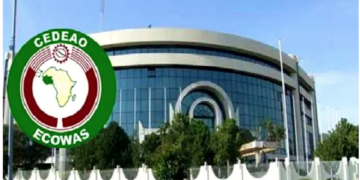


Lungi, Sierra Leone – The Economic Community of West African States (ECOWAS) has strongly reaffirmed its commitment to launching the long-delayed single regional currency, the ECO, in 2027, viewing it as a cornerstone for deeper economic integration, boosted intra-regional trade, and sustainable growth across the 15-member bloc.
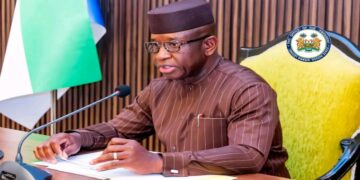
The pledge was a key outcome of the 69th Ordinary Session of the ECOWAS Authority of Heads of State and Government, held on Sunday, July 19, 2026, in Lungi, Sierra Leone, and chaired by Sierra Leonean President Julius Maada Bio. A final communiqué released on Tuesday detailed the summit’s conclusions.
Leaders highlighted the resilience of ECOWAS economies amid global headwinds, projecting a positive outlook for 2026 driven by declining inflation, reduced public debt-to-GDP ratios, and an expanding current account surplus—though persistent fiscal deficits remain a challenge.
Firm Commitment to the ECO
“The Authority reiterates its firm commitment to the launch of the ECO in 2027 as a key instrument for deepening regional economic integration and promoting sustainable, inclusive and resilient growth within the Community,” the communiqué stated.
The ECO will initially be adopted by member states meeting agreed convergence criteria, with technical and financial support provided to others to help them qualify later in a phased approach. This strategy aims to balance ambition with economic realities across the diverse region.
Leaders also welcomed the registration of the “ECO” name with the African Intellectual Property Organisation and instructed the ECOWAS Commission to pursue trademark protections with other regional and international bodies.
Background and Convergence Criteria
The ECO project dates back to the early 2000s as part of efforts to create a West African Monetary Zone (WAMZ) alongside the existing West African Economic and Monetary Union (WAEMU), which uses the CFA franc. Multiple launch dates have been missed due to difficulties in meeting macroeconomic targets.
The West African Monetary Institute (WAMI) established ten convergence criteria—four primary and six secondary. Primary criteria typically include:
– Single-digit (often targeted at 5% or below) average annual inflation.
– Fiscal deficit no more than 3-4% of GDP.
– Central bank deficit financing limited to 10% of prior year’s tax revenues.
– External reserves covering at least three months of imports.
Secondary criteria cover public debt levels (around 70% of GDP or less), exchange rate stability, and other structural benchmarks. Compliance has been uneven; only a handful of countries have consistently met all primary targets in recent years.
#Leadership Transition and Broader Context
At the summit, Senegal’s President Bassirou Diomaye Faye (aged 46) was elected as the new ECOWAS Chairman, succeeding President Bio. The gathering also addressed regional security, political stability, and initiatives like the Nigeria-Morocco Atlantic Gas Pipeline.
Analysts note that while the ECO could reduce transaction costs, lessen dependence on external currencies like the US dollar, and enhance trade (currently low within the region), significant challenges persist: economic disparities, infrastructure gaps, varying levels of fiscal discipline, and the need for stronger institutions and harmonized policies.
Successful implementation would mark a historic step toward the vision of “ECOWAS of the Peoples,” fostering peace, prosperity, and collective resilience in West Africa. The coming months will be critical as member states intensify efforts to meet the 2027 target.