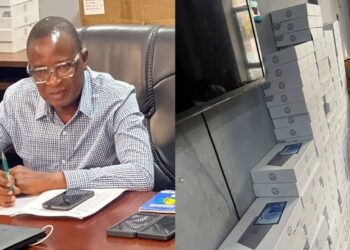
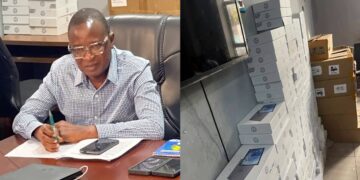














































Freetown, 26 November 2026 – The National Union of Civil Society Organizations – Sierra Leone (NUCSO-SL) has called on the Statistician General of Statistics Sierra Leone (Stats SL) to explain the whereabouts of 6,452 tablet computers meant for the 2026 Population and Housing Census.
The demand follows a public statement by Lawyer AKK on AYV Television and a review of the official District-by-District Summary for the census exercise.
According to the figures cited by NUCSO-SL, 28,838 tablets were required nationwide for fieldwork and support. Only 22,386 have been accounted for at district offices, leaving a shortfall of 6,452. A further 151 tablets were reported faulty. All 16 districts are affected.
Western Area accounts for more than half of the missing devices: Western Rural is short 1,912 tablets and Western Urban 1,472, a combined total of 3,384. Other districts with significant shortfalls include Tonkolili (749), Kenema (349), Moyamba (319), Pujehun (234) and Kono (217). The remaining districts each report shortfalls ranging from 41 in Bo to 207 in Bonthe.
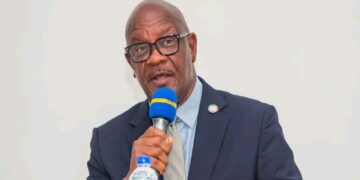
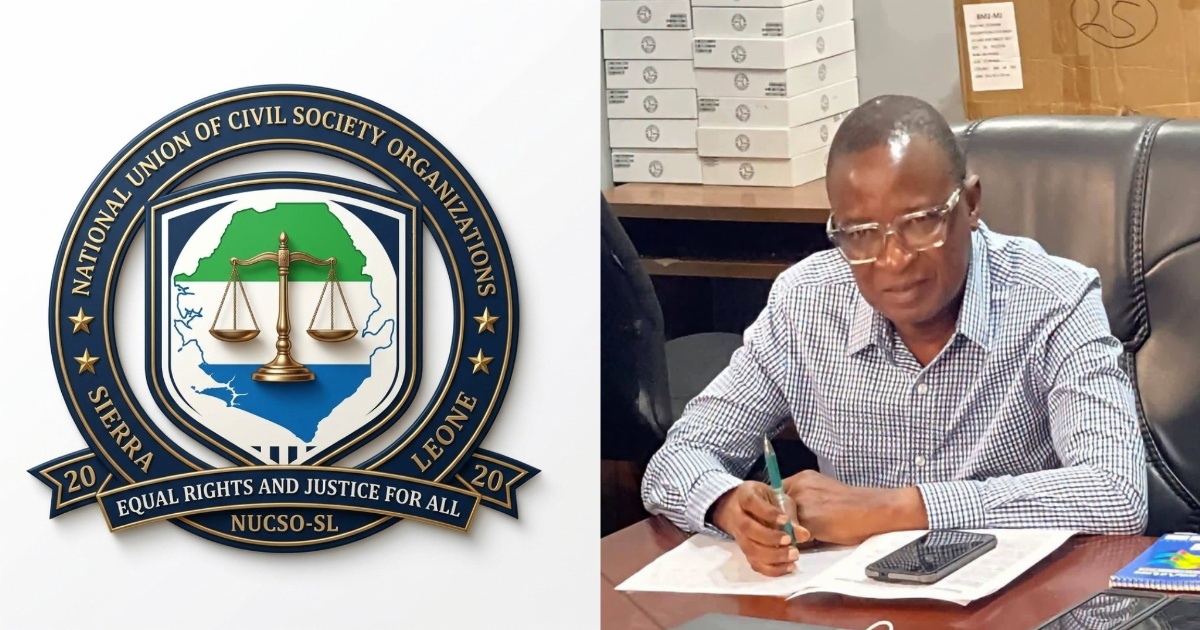
In a statement released on Thursday, NUCSO-SL Secretary-General Ambassador Mohamed Lamin Sheriff said the organisation is not assigning blame but is seeking clear answers. The group has given Stats SL seven days to:
– Confirm whether the shortfall is due to non-delivery by the supplier, loss, or another reason;
– Explain the concentration of missing tablets in the Western Area;
– Publish a full verified inventory for every district showing tablets allocated, received, in store, in the field, faulty and still outstanding; and
– Release procurement details, including the contract, supplier, amount paid and delivery notes.
NUCSO-SL has also urged Parliament’s Public Accounts Committee, Audit Service Sierra Leone and the Anti-Corruption Commission to conduct independent checks.
“A census determines national planning for schools, hospitals, roads and development,” the statement said. “A nation cannot be accurately counted when the tools to count it cannot be accounted for. If the tablets are in stores, show us. If they were never delivered, tell us. If they are missing, tell us who is responsible.”
The organisation ended its statement with the question that has now become the central public demand: “Where are the 6,452 tablets?”