


















































Freetown, 30 September 2026 – The cost of living is rising again for Sierra Leoneans after annual inflation climbed to 15.66 percent in August 2026, up from 14.89 percent in July, according to the latest Consumer Price Index (CPI) report released by Statistics Sierra Leone (Stats SL).
This is a 0.77 percentage point increase in the year-on-year rate, but the month-on-month picture is more worrying. Prices rose by 2.19 percent in just one month in August, sharply higher than the 0.42 percent recorded in July. 9539
What is driving the increase?
Stats SL’s impact analysis shows two categories are doing most of the damage:
1. Housing, Water, Electricity, Gas and Other Fuels: This category recorded an annual inflation rate of 87.73 percent in August, up from 83.72 percent in July. It contributed 7.81 percentage points to the national inflation rate – meaning almost half of all inflation in the country is coming from rent, EDSA bills and cooking gas. On a monthly basis, it rose 4.93 percent. 9539
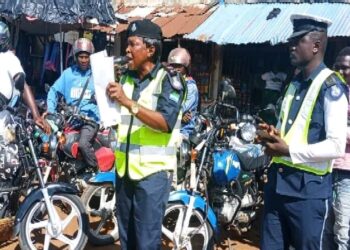
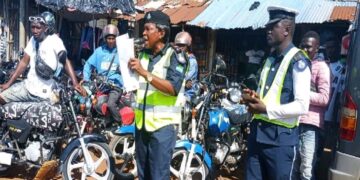
2. Transport: Annual transport inflation jumped from 37.04 percent to 41.49 percent, contributing 3.53 percentage points to national inflation. Month-on-month, transport saw the sharpest turnaround – from negative 2.94 percent in July to positive 2.67 percent in August, a 5.61 point swing, reflecting higher fuel pump prices and okada/kekeh fares. 9539
In contrast, Food and Non-Alcoholic Beverages – which makes up about 48 percent of the items Stats SL tracks – remained relatively stable. Annual food inflation inched up slightly from 5.74 percent to 5.82 percent, well below non-food inflation which surged to 23.54 percent from 22.11 percent.
Other increases were recorded in Furnishings (6.38%), Health (11.75%) and Restaurants & Hotels (18.73%). Clothing and Footwear (4.81%) and Miscellaneous Goods (-0.12%) actually declined, while Education Services remained unchanged.
Why it matters for ordinary Sierra Leoneans:
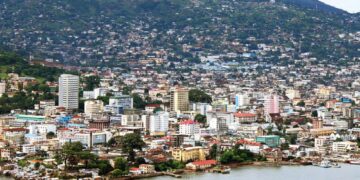
While food prices are not rising as fast as last year, the combination of rent, electricity, and transport is squeezing households, especially in Freetown, Waterloo and Lungi where housing and transport costs are highest. The rise in monthly food inflation from -0.32% to 2.41% also suggests market prices may start rising again after a brief easing in July.
Broader economic picture:
The new figures come at a time when the economy is still recovering. The World Bank estimates the economy grew by 4.5% in 2025 and projects similar growth in 2026, but notes inflation had fallen sharply in late 2025 before rising again this year due to higher fuel and external costs.
The Bank of Sierra Leone has been tightening monetary policy to control inflation, which had moderated to around 25 percent in August last year from nearly 30 percent, but the recent uptick shows price pressures remain.
The IMF had projected end-of-period inflation of around 9.0 percent for 2026, significantly lower than the current 15.66 percent, suggesting the central bank may need to maintain a tight stance for longer.
Stats SL is expected to release September figures in late October, which will show whether the August spike was temporary or the start of a new upward trend.