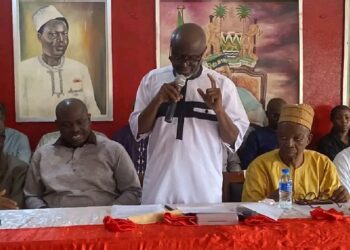


















































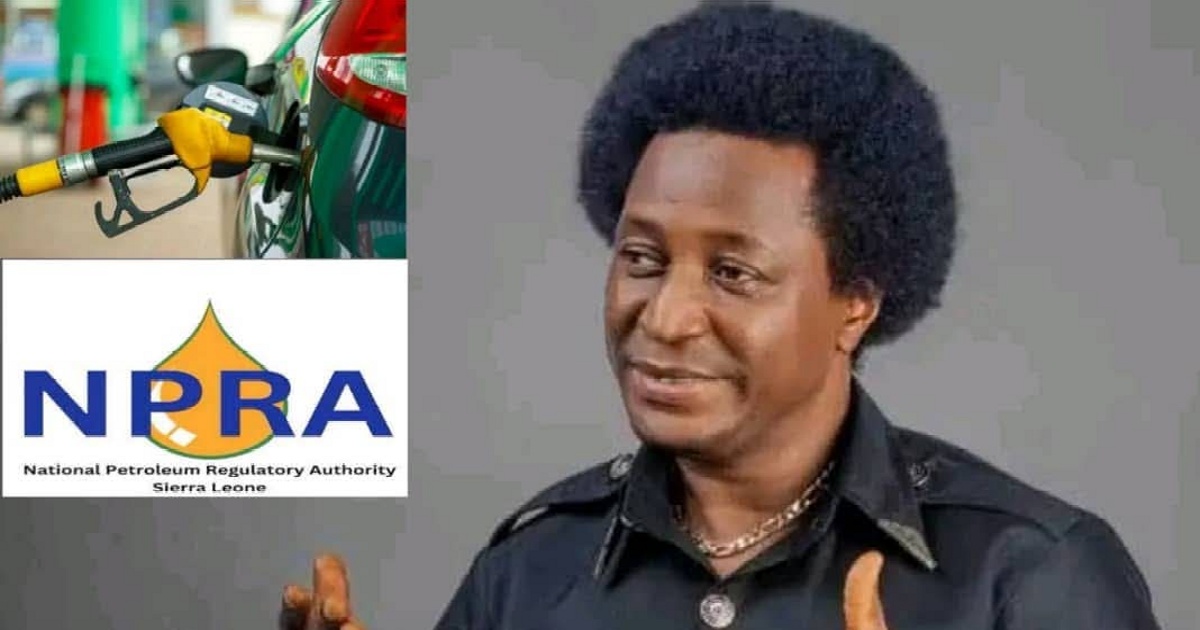
Freetown, Sierra Leone — Prominent civil society activist Edmond Abu Jr., Executive Director of the Native Consortium and Research Centre, has designated Tuesday, June 30, 2026, as “Black Tuesday,” urging Sierra Leoneans to don black clothing or black ribbons in protest if the Petroleum Regulatory Agency (PRA, also referred to as NPRA) fails to slash petrol and diesel prices to between Le29,000 and Le30,000 per litre (or equivalent in New Leone/NLe terms).
Abu described the symbolic action as the initial phase of a broader protest campaign, emphasizing that it aims to pressure authorities into implementing a “commensurate” reduction aligned with declining global oil prices.
He warned that failure to act would trigger further demonstrations, reflecting widespread public frustration over high fuel costs that ripple through transportation, food prices, and the overall cost of living in the West African nation.
Context on Fuel Prices
Recent PRA announcements have set petrol and diesel prices in the range of NLe 28.50 to NLe 35 per litre in recent months, with adjustments influenced by international market fluctuations, exchange rates, and landed costs. Critics, including Abu, argue that local pump prices have not adequately reflected softer global trends or efficiencies that neighboring countries have sometimes passed on.
Global oil markets have experienced volatility in 2026, with Brent crude prices influenced by geopolitical tensions (including disruptions in the Strait of Hormuz), supply dynamics, and shifting demand forecasts. While prices spiked earlier due to conflicts and inventory draws, analysts project potential easing later in the year amid anticipated surpluses, though near-term uncertainty remains high.
Sierra Leone, which imports most of its petroleum products, has faced repeated fuel price shocks in recent years. Adjustments are typically made monthly based on the PRA’s pricing formula, incorporating Platts reference prices, freight, insurance, and exchange rate factors. High fuel costs exacerbate inflation and economic pressures on ordinary citizens, particularly in a country still recovering from past crises.
Activist Background
Edmond Abu Jr. is a well-known economic justice advocate who has long challenged government and corporate policies on issues ranging from fuel pricing and telecommunications to broader governance. Through the Native Consortium, he has previously organized campaigns, faced legal challenges, and called out what he perceives as delays or manipulations in price reductions that benefit consumers.
His latest call comes amid ongoing debates about fuel pricing transparency and the need for faster pass-through of international price drops to local markets. Abu has also referenced adjustments made in countries like Liberia and Ghana as benchmarks for what Sierra Leone could achieve.
As of now, there has been no immediate response from the PRA or government officials to the “Black Tuesday” declaration. Sierra Leoneans are watching closely to see whether Tuesday’s symbolic protest will remain peaceful or escalate into larger actions, echoing past demonstrations linked to economic hardships.
This story is developing.