











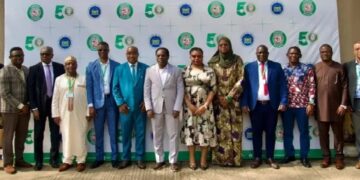









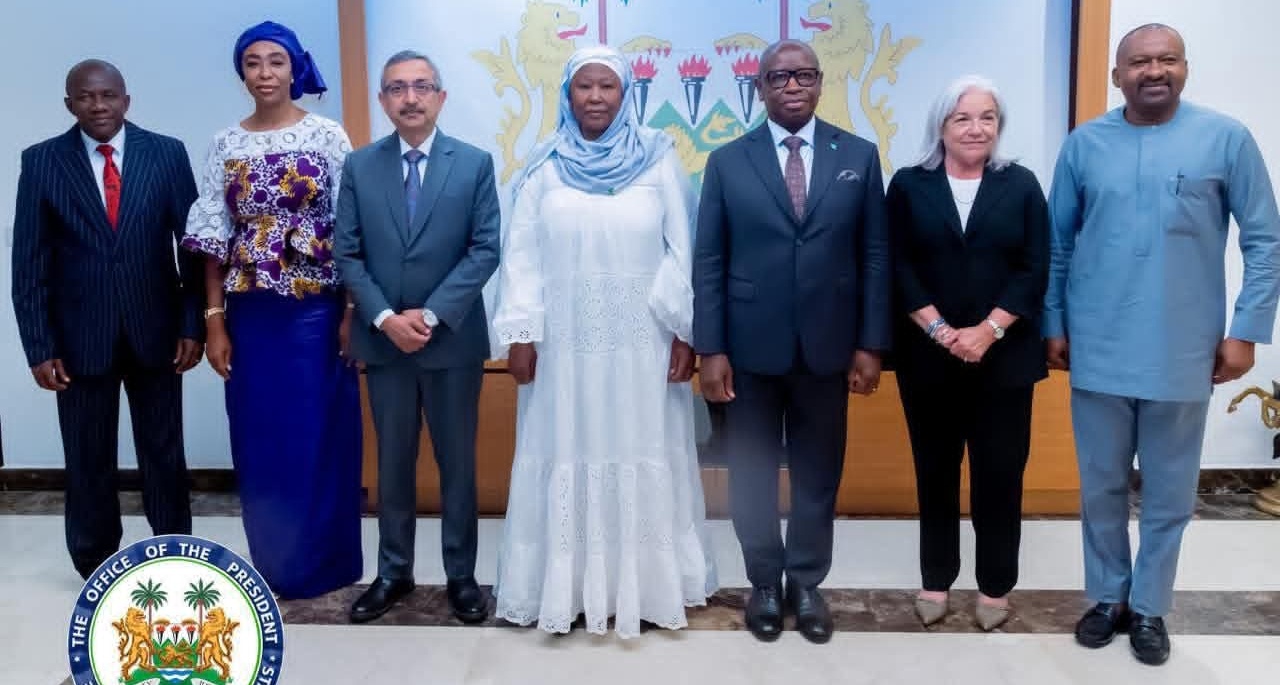
Freetown — A high-level joint delegation from ECOWAS, the United Nations Office for West Africa and the Sahel (UNOWAS), and the Commonwealth has presented a series of ambitious proposals designed to resolve Sierra Leone’s lingering political crisis, restore full parliamentary participation, and strengthen the foundations for peaceful and transparent general elections in 2028.
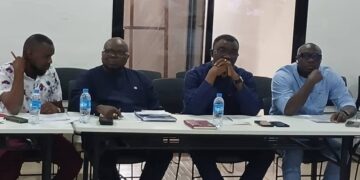
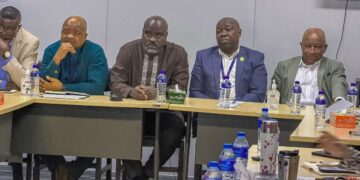
The delegation, acting as International Moral Guarantors of the 2023 Agreement for National Unity (ANU), wrapped up a week of intensive engagements in Freetown. While acknowledging meaningful strides made under the agreement, the mediators warned that sustained reforms and genuine inclusive dialogue are essential to prevent further erosion of public trust and secure long-term stability.
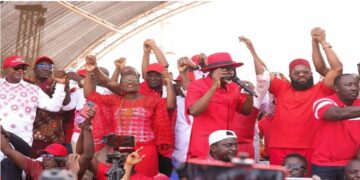
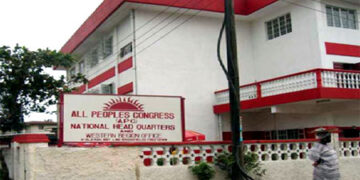
In a key recommendation, the delegation called on the main opposition All People’s Congress (APC) and its elected representatives to immediately resume their seats in Parliament. Such a move, they stressed, would promote broader representation and ensure more transparent decision-making across government institutions.
Among other measures, the delegation urged Parliament to establish a dedicated Standing Committee on Electoral Matters. This body would examine the country’s electoral cycle, enhance institutional readiness, and steer necessary reforms in the lead-up to the 2028 polls.
The mediators also proposed restructuring the Tripartite Steering Committee to bring in additional APC members, representatives from other political parties, and stronger voices from civil society. To provide strategic oversight, they suggested creating a new High-Level Oversight Mechanism.
Further recommendations include forming a joint panel of legal experts drawn from the government, opposition, and civil society to spearhead constitutional and legislative reforms, with a particular focus on reviewing and modernizing Sierra Leone’s electoral framework.
The Electoral Commission for Sierra Leone (ECSL) faces a firm deadline: it must undergo comprehensive restructuring by 31 December 2026, in line with earlier Tripartite Committee guidance. The guarantors pledged to reconvene if key timelines are not met, signaling their readiness to maintain pressure for compliance.
Both the government and opposition reportedly agreed on the transparent use of census data for national development planning and electoral purposes, emphasizing the need for all stakeholders to participate in related decisions.
The mission placed strong emphasis on practical improvements to democratic processes, including bolstering voter registration systems, refining results management procedures, and implementing robust safeguards against hate speech and misinformation. Mediators cautioned that unchecked political tensions could undermine public confidence and urged all parties to actively de-escalate rhetoric.
“The path ahead depends on continued dialogue, inclusive reforms, and strict adherence to agreed timelines,” the delegation stated. “Sierra Leone’s leaders have a critical opportunity to rebuild faith in the country’s democratic institutions and deliver lasting peace and stability for its people.”
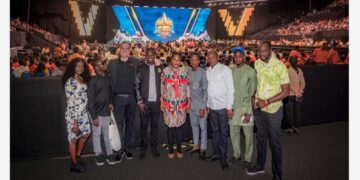
The proposals come amid ongoing efforts to implement the ANU, which was signed to address post-2023 election disputes and foster national cohesion. The Moral Guarantors, led by figures including former Gambian Vice President Fatoumata Jallow-Tambajang, have been actively consulting with the government, APC, electoral bodies, and civil society in recent days.
Analysts view the recommendations as a balanced push to break the impasse while keeping all parties invested in the reform process. Whether the bold measures translate into concrete action will likely determine the trajectory of Sierra Leone’s democracy in the coming years.