
















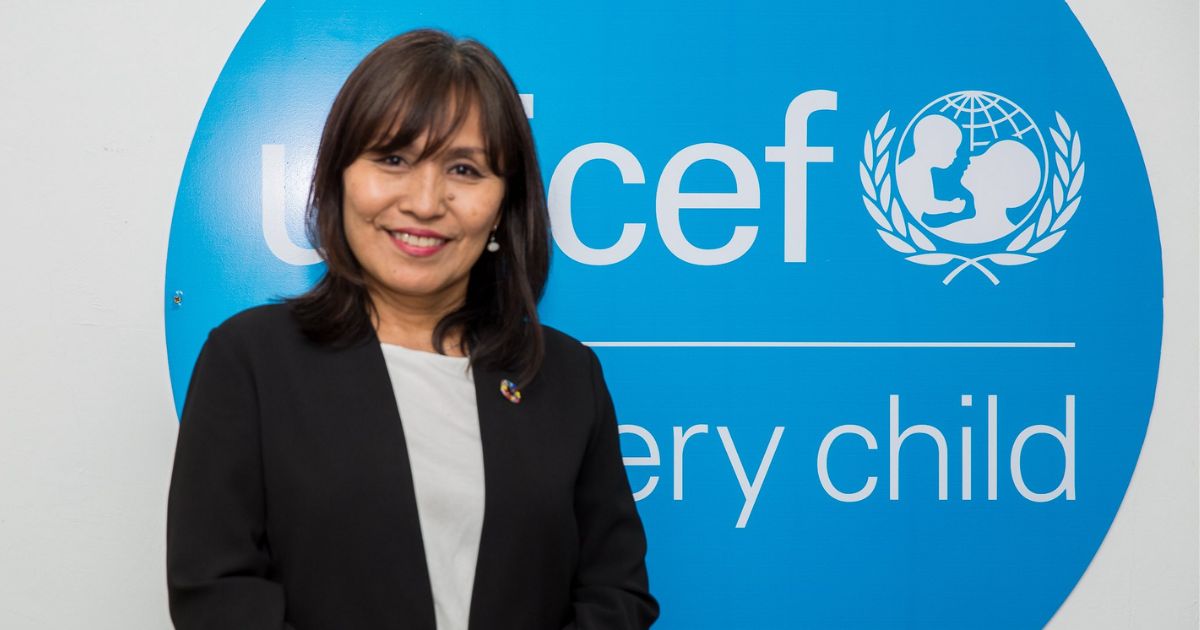
Freetown, Sierra Leone – July 14, 2026 – UNICEF has named Mariko Kagoshima as its new Representative in Sierra Leone, ushering in a fresh phase of collaboration with the government and partners to bolster child rights, education, health, nutrition, and protection across the West African nation.
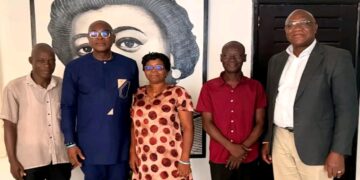
Kagoshima presented her credentials to Hon. Francess Piagie Alghali, Deputy Minister of Foreign Affairs and International Cooperation, in a ceremony that underscored the strong partnership between UNICEF and Sierra Leone.
In her new role, she will oversee UNICEF’s efforts to address persistent challenges facing children, particularly the most vulnerable, while building on recent national progress.
Extensive International Expertise
Kagoshima brings a wealth of experience in humanitarian and development work. Prior to Sierra Leone, she served as UNICEF Deputy Representative in Ethiopia, where she helped manage one of the organization’s largest country programs. There, she focused on resilience-building, climate action, innovation, and the inauguration of new health and education facilities with European Union support.
She previously held the position of UNICEF Representative in Jamaica, where she strengthened strategic partnerships, advanced child protection initiatives (including a major boost to the national child diversion program), and supported justice and social services for children.
Throughout her UNICEF career, Kagoshima has taken on senior leadership and program roles in diverse contexts, including Guatemala, Honduras, Uganda, Angola, Afghanistan, and Mexico. Her expertise spans child rights advocacy, education, health, nutrition, and emergency humanitarian responses in both development and crisis settings.
Sierra Leone Context and UNICEF Priorities
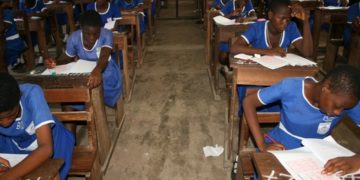
Sierra Leone, with a young population where about 42% are aged 0-14, continues to grapple with challenges such as poverty, malnutrition, limited access to quality education, and climate vulnerabilities. While progress has been made, including improvements in secondary school retention and free healthcare initiatives, significant gaps remain: for instance, learning outcomes are low, with only about 8% of third-grade children able to read a simple text.
UNICEF’s 2025–2030 Country Programme in Sierra Leone emphasizes inclusive social protection, nutrition support for under-5s and families, maternal and child health, child protection, and climate-resilient interventions. The agency works closely with the government on priorities like birth registration, ending violence against children, and innovative financing for education.
At the credentials presentation, Kagoshima reaffirmed UNICEF’s commitment to partnering with Sierra Leone to ensure every child has access to essential services, protection, and opportunities.
Deputy Minister Alghali welcomed her appointment, highlighting UNICEF’s role in advancing national development goals, especially for girls, and upcoming reporting under the Convention on the Rights of the Child.
Looking Ahead
This leadership transition comes at a critical time as Sierra Leone seeks to accelerate results amid economic pressures, climate shocks, and post-pandemic recovery. Kagoshima’s track record in fostering multi-stakeholder collaboration and driving impactful programs positions her well to help strengthen these efforts.
UNICEF operates in over 190 countries and territories, focusing on the world’s most disadvantaged children. For more on its work in Sierra Leone, visit the official UNICEF Sierra Leone website and follow updates on social media.