

















The Government of Sierra Leone has secured a US$5.6 million grant from the Republic of Korea to support a major agricultural initiative aimed at increasing rice production and strengthening the country’s drive towards food self-sufficiency under the Feed Salone programme.
The funding will support the implementation of the K-Ricebelt Project, a five-year initiative designed to improve the production of quality rice seed, expand irrigation facilities, introduce modern farming technologies, and strengthen the capacity of farmers and agricultural institutions across the country.
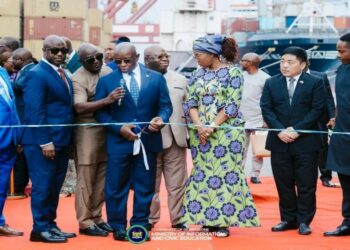
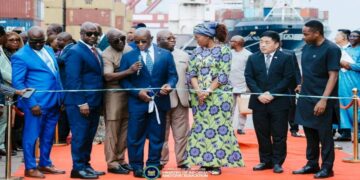
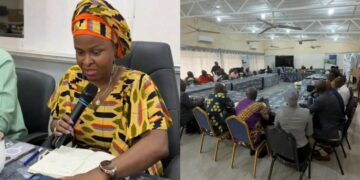
The agreement was formalised through the signing of a Record of Discussions by the Minister of Agriculture and Food Security, Dr. Henry Musa Kpaka, the Minister of Planning and Economic Development, Madam Kenyeh Barlay, and representatives of the Republic of Korea and its implementing agencies.
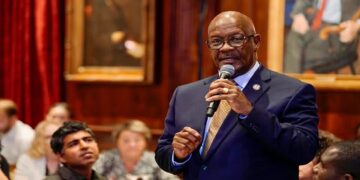
Speaking during the signing ceremony, Dr. Kpaka described the project as a significant milestone in Sierra Leone’s agricultural transformation agenda.
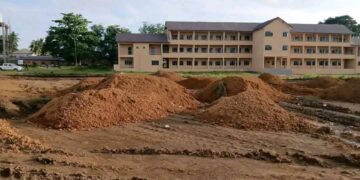
He said the initiative would address key bottlenecks affecting rice production by establishing a modern rice seed production complex in Rokupr, Kambia District.
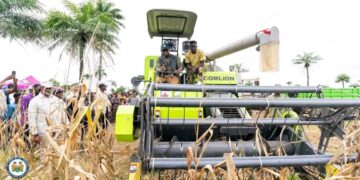
According to the Agriculture Minister, the facility will include upgraded irrigation systems, seed-processing plants, agricultural machinery, and other critical infrastructure to improve the production and distribution of certified rice seed. The project will also provide technical training for farmers, researchers, extension workers, and government officials to strengthen the country’s rice value chain.
Dr. Kpaka noted that improving access to high-quality seed and modern farming equipment would help increase crop yields, lower production costs, and improve the competitiveness of Sierra Leone’s rice sector.
Minister of Planning and Economic Development, Madam Kenyeh Barlay, said the grant represents another important investment in the Government’s Feed Salone strategy, which seeks to expand domestic food production and reduce the country’s dependence on imported rice.
She said the project is expected to improve food security, create employment opportunities in rural communities, raise farmers’ incomes, and contribute to broader economic development through increased agricultural productivity.
The Development of Africa Rice Cultivation Complex (Sierra Leone) Project will run from 2026 to 2030 and will be fully financed by the Government of the Republic of Korea. It will focus on improving access to certified rice seed, promoting climate-smart agricultural practices, and strengthening technical expertise within the country’s rice production sector.
Once completed, the project is expected to increase rice yields, reduce production costs, expand farmers’ participation in the rice value chain, and support Sierra Leone’s long-term ambition of achieving self-sufficiency in rice production.
The agreement further reinforces the longstanding development partnership between Sierra Leone and the Republic of Korea, highlighting continued international support for the country’s efforts to modernise agriculture, strengthen food security, and promote sustainable economic growth.