

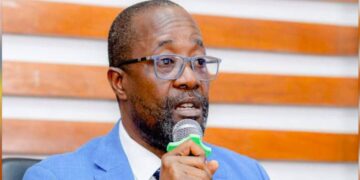




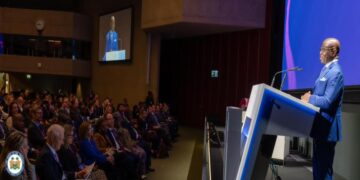









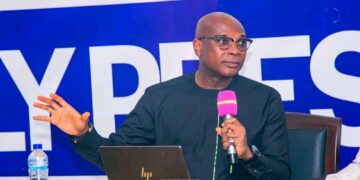



































Freetown, December 23, 2025 – The General Legal Council (GLC) in Sierra Leone has opened formal disciplinary proceedings against Augustine Sorie Sengbe Marrah, a well-known human rights advocate and president of the country’s Lawyers Society, over allegations of professional misconduct.
The move follows a complaint lodged on December 16 by Lloyd Hindolo Jusu, the Deputy Master and Registrar of the Judiciary. In his submission to the GLC, Jusu claimed that Marrah’s actions had eroded the dignity of the legal profession and shaken public trust in the judicial system.
Central to the accusations are comments Marrah reportedly made during a recent television appearance, where he is said to have used harsh and demeaning language against judicial officials. The complaint labels these statements as deliberately aimed at damaging confidence in the judiciary’s operations.
The filing also points to previous incidents, including a widely circulated video allegedly showing Marrah climbing onto a table at a Supreme Court session.
It further cites his 2020 conviction for criminal contempt by the Supreme Court as part of an ongoing “pattern of conduct” that falls short of expected professional norms. Supporting evidence, including videos of the events stored on memory devices, was attached to the complaint.
On December 19, the GLC’s Disciplinary Committee formally notified Marrah of the allegations and directed him to file a sworn affidavit in his defense, complete with any relevant documents, by December 29. The process is being handled under the Legal Practitioners Act of 2000, which allows the committee to decide if a full inquiry is needed.
Marrah, who heads the law firm Marrah & Associates, has long been recognized for his vocal stance on human rights and pro-democracy issues, often challenging governance shortcomings.
If the allegations are upheld, potential penalties could include sanctions against his practice. The GLC has yet to announce plans for an open hearing.
This case has reignited discussions in legal circles about the limits of free speech for lawyers, particularly when critiquing the judiciary, and where to draw the line between robust debate and ethical breaches.