





























Freetown, Sierra Leone – January 21, 2026 – One of Freetown’s most enduring colonial-era landmarks, the Eastern Police Clock Tower, is poised for a significant restoration project aimed at reviving its historic appearance and cultural importance in the heart of the capital.
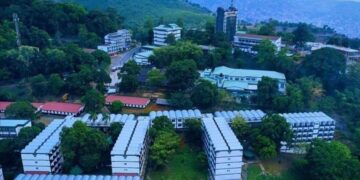
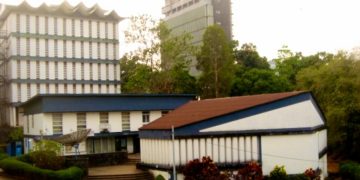
Mayor Aki Sayer unveiled the initiative last week during an event marking the second phase of restoration works at Old Fourah Bay College in Cline Town, another key heritage site.
“This historic monument will be restored to revive its symbolic significance as a colonial-era landmark,” Sayer stated, emphasizing her administration’s dedication to preserving the city’s cultural heritage. She described the tower as “a monument that filters into the rich history of Freetown.”
Funding for the project has been secured, with construction expected to commence in the coming weeks. The restoration comes at a critical time for the structure, which has deteriorated due to age, harsh weather conditions, and insufficient upkeep over the years.
Built in the late 19th century during British colonial rule, the clock tower served dual purposes as a practical timepiece and a symbol of authority and progress. Situated near the Eastern Police Station on Sanni Abacha Street, it became a central reference point for the vibrant Eastend district, even lending its name to the area.
Over time, the tower has evolved into a cornerstone of Freetown’s urban identity, marking the eastern edge of the Central Business District. It has long functioned as a popular gathering spot for locals, traders, and tourists amid one of the city’s busiest markets. Beyond its architectural role, the site has hosted memorials, civic events, and community reflections on Sierra Leone’s post-war recovery, representing themes of resilience and historical continuity.
Preservation experts have repeatedly highlighted the tower’s importance in maintaining Freetown’s multifaceted past.
The upcoming work is viewed as essential not only for safeguarding this piece of Sierra Leone’s heritage but also for instilling renewed pride in one of the capital’s most recognizable symbols.