

































































By Karifa Thoronka
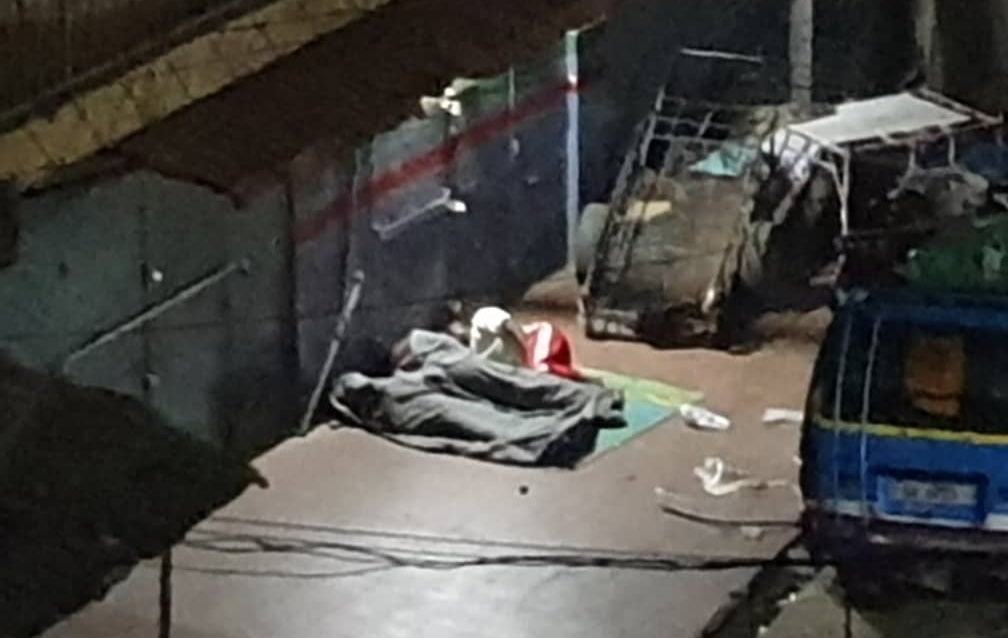
When most of the city lies in silence, parts of Conakry tell a different story. Under dim streetlights and along quiet roadside corners, dozens of young people sleep on bare concrete, curled beneath thin cloths or pieces of cardboard. For them, night offers no refuge, only a pause in the daily struggle for survival.
These youths, many of them teenagers or in their early twenties, are part of a growing population of the urban homeless. Some have migrated from rural areas in search of opportunity, only to encounter unemployment and rising living costs. Others have been displaced by family breakdown, poverty, or conflict. With limited access to social services, the streets have become their only option.
“I came here to find work,” says one young man, speaking softly as he rests against a closed storefront. “But there is nothing. So I stay here, hoping tomorrow will be different.”
Local authorities acknowledge the issue but face significant constraints. Rapid urbanization has outpaced infrastructure, and resources for housing, education, and youth employment remain stretched. Non-governmental organizations provide some assistance, distributing food and offering temporary shelter, but demand far exceeds supply.
What is happening in Conakry is not an isolated case. Across West Africa, similar scenes unfold in major cities, from Freetown and Dakar to Lagos, Abidjan, and Monrovia. Youth unemployment, estimated to affect a significant portion of the region’s population, continues to drive migration into already crowded urban centers. Without stable jobs or affordable housing, many young people fall into precarious living conditions.
There is concern that the situation could worsen if systemic issues are not addressed. Investments in education, vocational training, and job creation are often cited as critical steps. Equally important are policies aimed at affordable housing and stronger social protection systems.
For now, as dawn approaches, the city slowly begins to stir. The young people sleeping on the streets of Conakry and other cities rise quietly, blending back into the flow of daily life, vendors, laborers, hustlers, each carrying the weight of uncertainty into a new day.
Their presence is a stark reminder: beneath the surface of West Africa’s growing cities lies a crisis that cannot be ignored.