



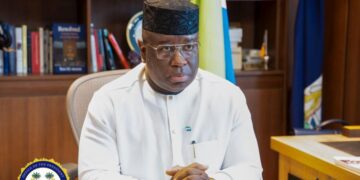



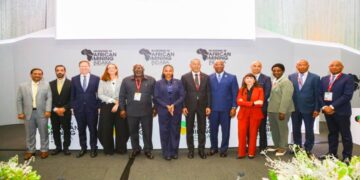
























Freetown, Sierra Leone – President Julius Maada Bio’s international investment drive has attracted more than $2 billion in foreign direct investment (FDI) from Europe and the United States over the past three years, with key benefits flowing directly into Sierra Leone’s private sector.
The investments, spearheaded by institutions such as British International Investment, Proparco, FMO, the U.S. International Development Finance Corporation (DFC), and the International Finance Corporation (IFC), have targeted major growth sectors including mining, agriculture, energy, food processing, and financial services. Companies such as Miro, Jolaks, PC & Sons, FG Gold, Pure Water, Ecobank, and Planet Solar have already recorded significant boosts from this capital inflow.
Small and medium-sized enterprises (SMEs) have also been gaining attention, with increased access to technical assistance and patient capital, allowing them to expand and compete more effectively.
According to State House sources, the surge in investor confidence stems from three key strategies championed by President Bio:
1. Aggressive International Engagement: By personally leading Sierra Leone’s representation at global investment conferences, President Bio has repositioned the country’s image, drawing investors’ focus to its untapped opportunities. For instance, cashew production in Kamalo, Karene District, has already gained traction, with a locally processed cashew butter product set to launch in UK stores next month.
2. Policy and Institutional Reforms: The government has implemented sweeping changes to the business ecosystem, including the creation of the National Investment Board, the National Land Commission, and the enactment of the Customary Land Rights Law. Reforms through the Ministry of Trade and the Directorate of Science, Technology and Innovation (DSTI) have also improved investor protections and streamlined processes.
3. Strong Economic Fundamentals: With stable foreign exchange, controlled inflation—the lowest in a generation—and a predictable economic outlook, Sierra Leone is now seen as a safer and more profitable destination for private capital.
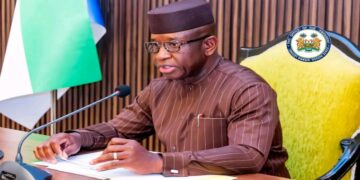
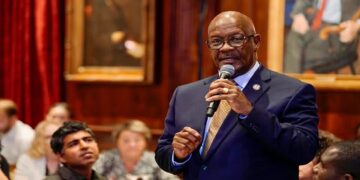
“These investments are proof that Sierra Leone is moving from aid dependency to trade partnerships,” President Bio said during a recent engagement in London. “When FDI complements government action, industries grow, jobs are created, and living standards improve. This is the path toward achieving our goal of becoming a middle-income country by 2039.”
The President emphasized that public-private partnerships will be crucial for delivering inclusive growth, adding that Sierra Leone’s economic transformation is a “win-win situation for people, profits, and the planet.”