
























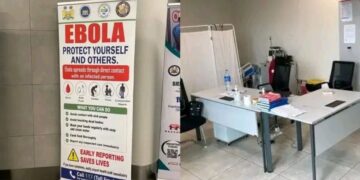


















As the Democratic Republic of Congo (DRC) grapples with a rapidly escalating Ebola outbreak declared a Public Health Emergency of International Concern (PHEIC) by the WHO in May 2026, memories of West Africa’s devastating 2014–2016 epidemic are resurfacing, particularly in Sierra Leone, one of the hardest-hit nations from that earlier crisis.
The current Bundibugyo strain outbreak in eastern DRC’s Ituri Province (and spreading to Nord-Kivu and Sud-Kivu) has already produced hundreds of suspected cases and deaths in a conflict-affected region with porous borders and population movements. This serves as a stark reminder of Ebola’s persistent threat across Africa. For Sierra Leoneans, it stirs painful recollections of a virus that nearly broke their young post-civil war nation.
A Nation Scarred: The 2014–2016 Toll
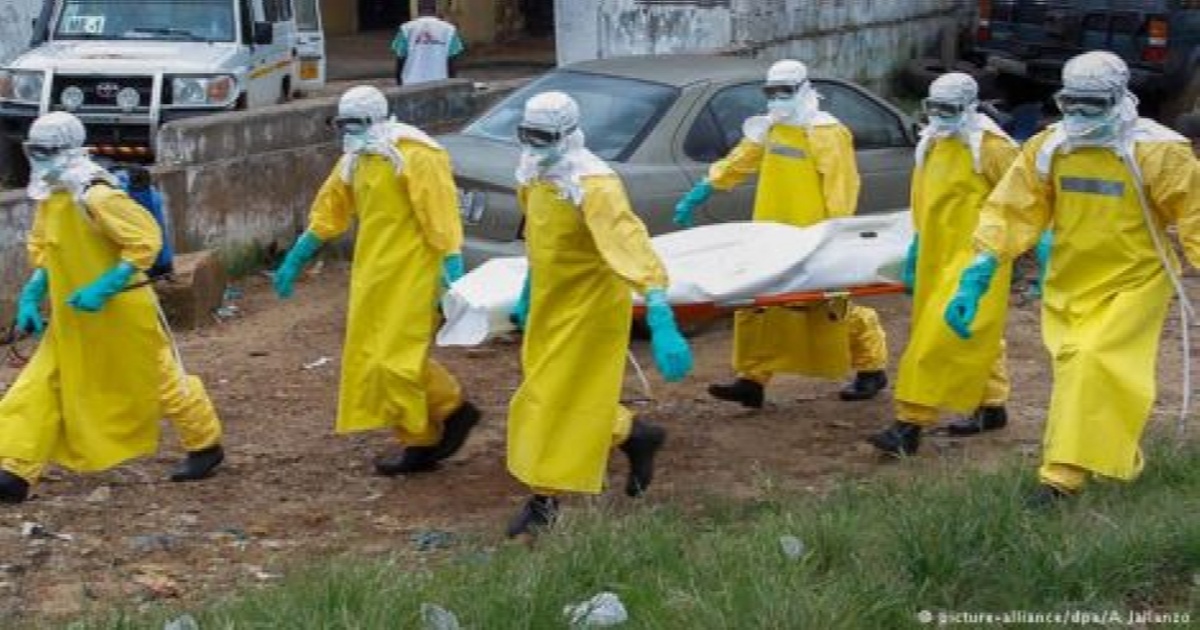
Sierra Leone reported over 14,000 cases and nearly 4,000 deaths during the West African epidemic (primarily Zaire ebolavirus). It was the largest and deadliest Ebola outbreak in history, surpassing all previous ones combined.
The human cost was staggering:
– Thousands of children orphaned.
– Healthcare workers decimated, with the health workforce ratio plummeting dramatically.
– Communities fractured by fear, stigma, and burial practices that clashed with cultural norms.
Economically, the impact was catastrophic. Prior to the outbreak, Sierra Leone enjoyed strong growth (around 15–20% GDP in 2012–2013). The epidemic, combined with falling iron ore prices, caused a sharp contraction: GDP growth fell to about 4.6% in 2014 and the economy shrank by over 20% in 2015. Agriculture stalled as farmers abandoned fields, markets closed, and movement restrictions crippled trade and services. Tourism and mining suffered heavily.
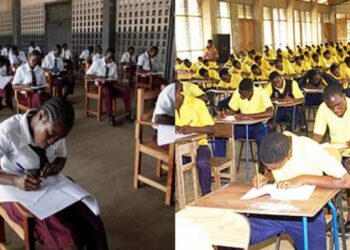
Socially, trust in institutions eroded. Many survivors and affected families faced long-term stigma, mental health challenges, and economic marginalization. Non-Ebola health services collapsed, leading to excess deaths from malaria, maternal complications, and other preventable conditions. Schools closed for months, disrupting education for an entire generation.
Resilience and Recovery: Sierra Leone Today
A decade later, Sierra Leone has made notable strides in rebuilding. The country strengthened its surveillance, laboratory capacity, and community engagement systems through partnerships with WHO, CDC, and others. No major Ebola cases have been reported there since the epidemic ended in 2016 (with minor flare-ups quickly contained).
Yet challenges remain. The health system is still under-resourced, poverty persists in rural areas, and the psychological wounds linger. Economic recovery was slow and further tested by COVID-19. The experience left a blueprint for rapid response: community-led surveillance, safe burial teams, and public education campaigns that eventually turned the tide.
Parallels and Lessons for the DRC Crisis
The DRC outbreak, its 17th since 1976, presents familiar and new complications. The Bundibugyo strain has a notable case fatality rate (historically around 25–40%) but, crucially, lacks approved vaccines or specific treatments available for the Zaire strain used in previous DRC responses. Insecurity, attacks on health workers, mining-related mobility, and cross-border spread (including to Uganda) complicate containment.
Sierra Leone’s experience offers critical lessons:
– Community trust is everything. Early denial and fear in West Africa delayed response; transparent, culturally sensitive engagement proved essential.
– Health system investment pays off. Sierra Leone’s post-Ebola investments in surveillance helped it weather later threats.
– Regional solidarity matters. Cross-border coordination between Guinea, Liberia, and Sierra Leone improved over time. Similar collaboration is now vital for DRC, Uganda, and neighbors.
As international aid ramps up for DRC, Sierra Leone stands as both a cautionary tale and a beacon of hope. Its recovery demonstrates that, with sustained global support, even the hardest-hit nations can emerge stronger.
For Sierra Leoneans watching the news from Congo, the surge evokes empathy mixed with vigilance. “We know this road,” one Freetown health official might say. “Let’s make sure the world doesn’t forget the map we drew with our losses.”
The fight against Ebola continues. Lessons from Sierra Leone’s ordeal must inform a faster, more effective response in the DRC to prevent history from repeating its most tragic chapters.