



















































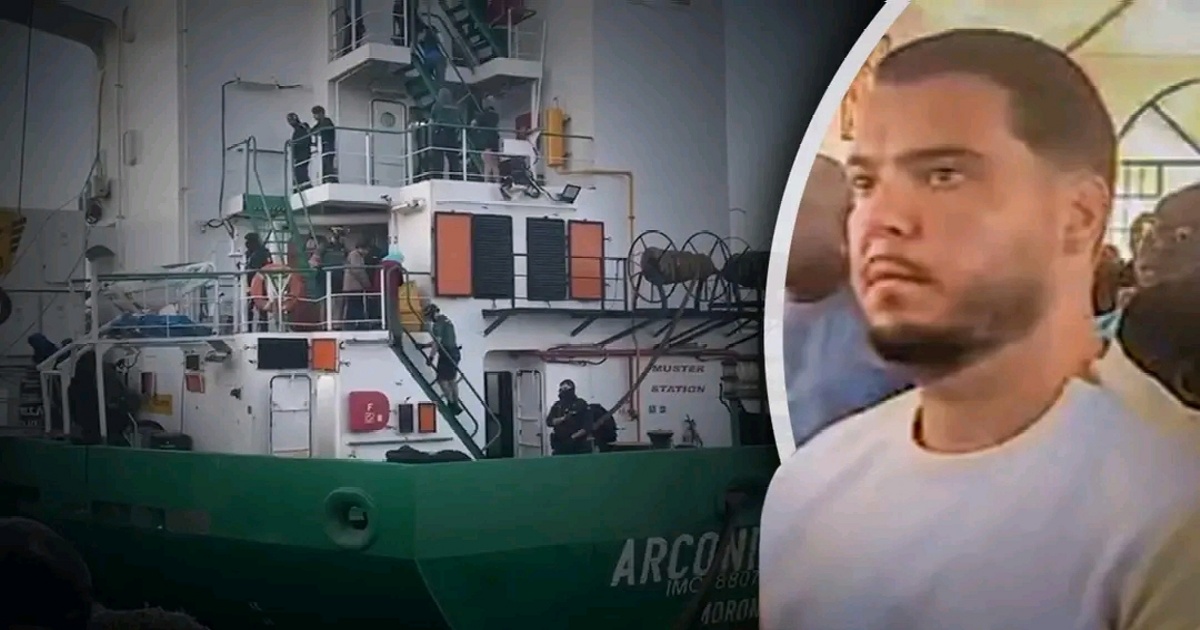
A Belgian court has sentenced notorious fugitive drug trafficker Jos Leijdekkers, popularly known as “Bolle Jos,” to eight years imprisonment for his role in a major cocaine smuggling operation linked to the Port of Antwerp.
In addition to the prison term, the court imposed an €80,000 fine on Leijdekkers and banned him from accessing Belgian port zones for ten years.
The conviction relates to an alleged 2023 attempt to smuggle approximately 11.2 tonnes of cocaine into Belgium through the Port of Antwerp.
Authorities said the narcotics were intercepted by maritime police and customs officers at quay 1742 in Beveren before the shipment could enter the European drug market.
Investigators disclosed that the cocaine shipment originated from Sierra Leone and was hidden inside a shipping container transporting palm kernel meal. The drugs were reportedly packed into 8,464 separate bricks in an effort to avoid detection.
According to prosecutors, law enforcement officers were alerted to the operation after clashes erupted between rival “pick-up crews” on the docks. The confrontation reportedly exposed the wider criminal network behind the shipment and prompted a major investigation.
The court also handed down sentences to 20 other suspects connected to the trafficking network. The accomplices received prison terms ranging from 18 months to 10 years, alongside substantial financial penalties and restrictions barring them from working in or accessing Belgian port facilities.
Two defendants were acquitted due to insufficient evidence.
Despite the latest conviction, Leijdekkers remains at large and continues to evade international authorities. He has previously been convicted in both Belgium and the Netherlands for large-scale drug trafficking offences.
Dutch intelligence agencies have repeatedly alleged that the fugitive trafficker is hiding in Sierra Leone, claims that authorities in Freetown have consistently denied.
The case is considered one of the largest cocaine trafficking prosecutions linked to the Port of Antwerp in recent years, highlighting growing concerns over West African transit routes being used by international drug syndicates.