























































Freetown, Sierra Leone – May 10, 2026: The Ministry of Health (MoH) and the National Public Health Agency (NPHA) have issued a public notice urging citizens to stay informed as they closely monitor reports of Hantavirus infections linked to an international cruise ship outbreak.
In the statement released today, the agencies reassured the public that the current risk to the ECOWAS region, including Sierra Leone, remains low.
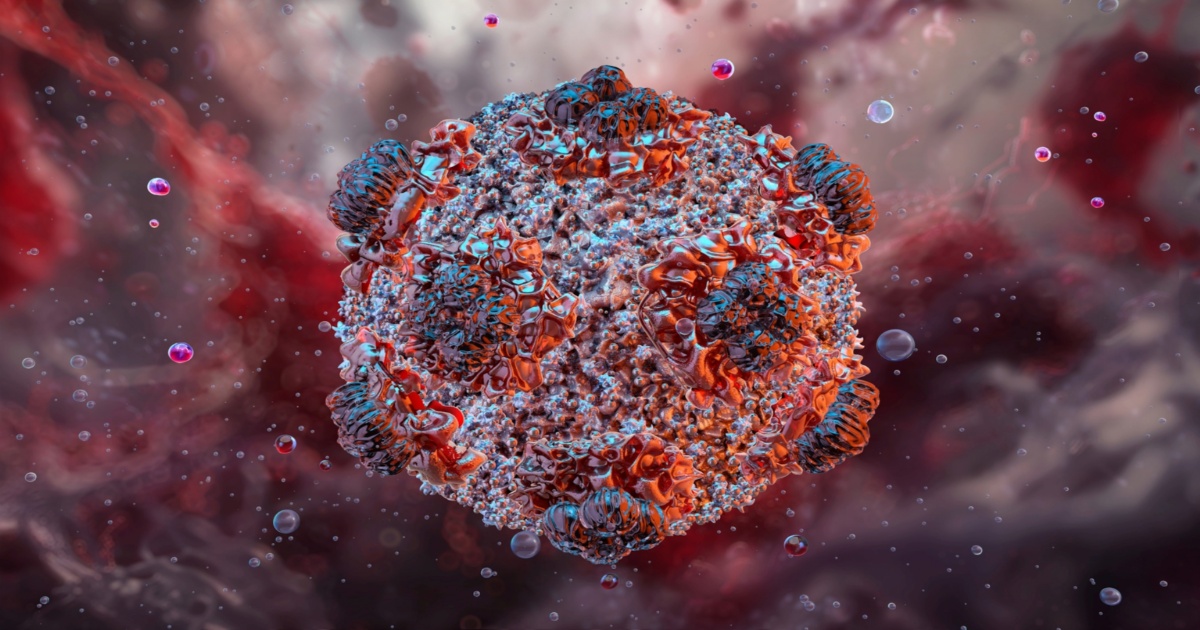
“Hantavirus is a rare viral disease mainly spread through contact with infected rodents such as rats and mice, especially through exposure to their urine, droppings, or saliva in dusty or poorly ventilated environments,” the notice explained.
Limited person-to-person transmission has been reported in rare cases involving the Andes strain.
Common symptoms of Hantavirus include fever, headache, fatigue, muscle pain, vomiting or abdominal pain. Severe cases may involve difficulty breathing.
No Confirmed Cases in Sierra Leone
The MoH and NPHA emphasized that there are currently no confirmed cases of Hantavirus in Sierra Leone.
To safeguard public health, authorities have:
– Strengthened surveillance at points of entry and health facilities for early detection and response.
– Enhanced collaboration with regional and international partners for timely information sharing.
– Begun Risk Communication and Community Engagement (RCCE) activities to keep communities informed and prepared.
The notice was signed by Brig. Gen. Prof. Foday Sahr, Executive Director of the National Public Health Agency.
Advice to the Public
The agencies advised citizens to take the following preventive measures:
– Keep homes and surroundings clean, store food safely, and dispose of waste properly to prevent rodent infestation.
– Wear protective gear when cleaning rodent-infested areas.
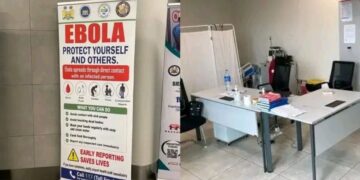
– Call 117 or seek immediate medical attention if flu-like symptoms develop after contact with rodents or recent travel.
The public is encouraged to remain calm, avoid spreading misinformation, and rely only on updates from official government channels.
This proactive alert aims to maintain high awareness and preparedness while preventing unnecessary panic amid the international developments.