















































The ruling Sierra Leone People’s Party (SLPP) has dismissed calls to establish a parliamentary standing committee to oversee the country’s Electoral Commission, insisting that such a move would undermine constitutional provisions guaranteeing the body’s independence.
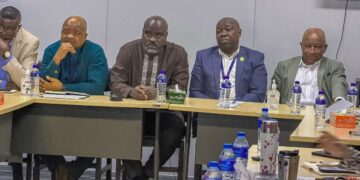
In a statement released on April 21, 2026, the party was responding to recommendations from a joint assessment mission involving regional and international partners, including ECOWAS, UNOWAS, and the Commonwealth. The SLPP also acknowledged the contribution of Fatoumata Jallow-Tambajang in facilitating the process.
Reaffirming its position, the party emphasized that the independence of the Electoral Commission is clearly enshrined in the country’s constitution. It cited Section 32(11), which states that the Commission “shall not be subject to the direction or control of any person or authority.” According to the SLPP, this provision effectively rules out any form of parliamentary supervision over the Commission’s administrative functions.
The party argued that allowing lawmakers to oversee constitutionally independent bodies would set a problematic precedent, noting that institutions such as the judiciary, the Anti-Corruption Commission, and the Audit Service operate free from direct parliamentary control.
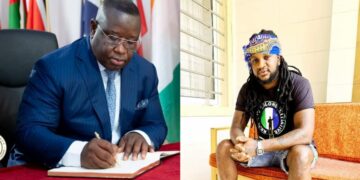
The SLPP further reiterated that Julius Maada Bio remains committed to implementing the Agreement for National Unity, as well as the recommendations outlined in the Tripartite Committee’s report.
In addition, the party welcomed the decision to broaden the Tripartite Steering Committee to include representatives from other political parties and civil society groups. It also signaled continued support for the adoption of proportional representation in any future electoral reforms.
On the ongoing population and housing census, the SLPP said it is prepared to collaborate with all political stakeholders, including the opposition All People’s Congress.
While acknowledging the APC’s recent decision to end its boycott of governance processes, the ruling party urged the opposition to adopt what it described as a more constructive and responsible approach. It warned that prolonged political boycotts risk undermining constitutional provisions related to democratic participation.
The SLPP also reiterated its stance against hate speech and incitement, maintaining a policy of zero tolerance on such issues.
However, the party expressed concern over a statement issued by the APC on April 19, describing portions of it as “unhelpful and unnecessary.”
“This reflects the position of the ruling party and should not be interpreted as an independent assessment of the situation,” the statement concluded.