



























































Freetown, Sierra Leone – The newly appointed Chairman of the Electoral Commission for Sierra Leone (ECSL), Edmond Sylvester Alpha, has called on political parties to strengthen cooperation, transparency, and constructive engagement as preparations begin for the 2028 multi-tier elections.
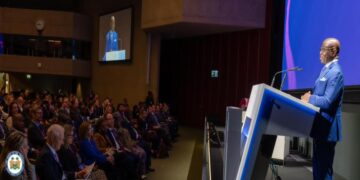
In an address to political party leaders and representatives on April 1, 2026, Alpha emphasized the importance of sustained dialogue in building public confidence in the country’s democratic process.
He described the engagement as a step toward reinforcing trust among key stakeholders, noting that open communication remains essential to maintaining stability in Sierra Leone’s electoral system.
Alpha highlighted the country’s democratic progress over the past two decades, referencing successive elections held in 2007, 2012, 2018, and 2023 as indicators of national commitment to peaceful political participation.
He stressed that the gains recorded in strengthening democratic institutions are a collective achievement that must be preserved and further developed.
Addressing concerns raised by political actors in recent months, the ECSL Chairman underscored the Commission’s commitment to impartiality, stating that the institution serves all citizens equally and does not determine political outcomes.
According to him, the Commission’s role is to ensure that elections are conducted in a credible, transparent, and accountable manner that reflects the will of voters.
He acknowledged that feedback from political parties contributes to improving electoral processes and reaffirmed the Commission’s readiness to engage stakeholders in addressing identified challenges.
Alpha noted that electoral integrity extends beyond voting day, covering legal frameworks, operational readiness, civic education, inclusion, transparency, and dispute resolution mechanisms.
The Chairman also pointed to reform proposals emerging from national consultations, including the Tripartite engagement process, as opportunities to strengthen collaboration among political actors.
He said these reforms focus on improving transparency in electoral operations, enhancing stakeholder participation, clarifying legal provisions, strengthening public communication, and promoting confidence in electoral institutions.
With less than two years before the next general elections, Alpha identified key priorities including boundary delimitation, voter registration, electoral planning, and civic education. He emphasized that progress in these areas would require cooperation among the ECSL, political parties, and other stakeholders.
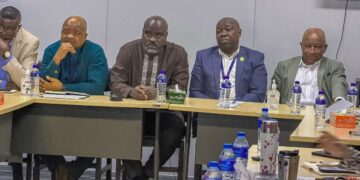
As part of ongoing engagement efforts, Alpha proposed strengthening the Political Parties Liaison Committee as a platform for regular consultation.
He also suggested establishing joint technical working groups involving political parties, developing a shared electoral roadmap toward 2028, and improving communication channels to support peaceful political participation.
The address forms part of the ECSL Chairman’s initial consultations with political stakeholders following his recent appointment, as the Commission begins early preparations for the 2028 electoral cycle.